THE ADVENTURE COLLECTIVE® · Independent discovery and booking for outdoor travel

Spend two days with a local guide exploring Cappadocia’s signature rock formations, UNESCO cave churches, and a riverside canyon hike. Practical, private, and adjustable to your pace—this tour pairs geology and culture with hands-on local insights.
Spend two days with a local guide exploring Cappadocia’s signature rock formations, UNESCO cave churches, and a riverside canyon hike. Practical, private, and adjustable to your pace—this tour pairs geology and culture with hands-on local insights.
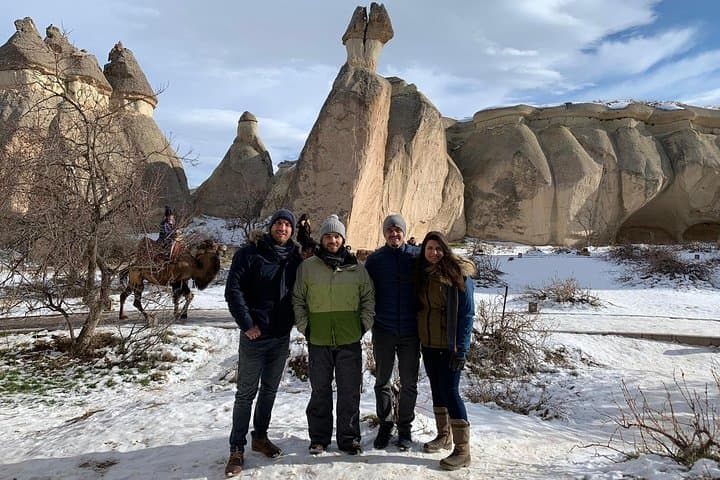
Dawn breaks across a landscape carved from volcanic ash: ridges rise like pages torn from stone, and the wind has already begun to shape the fairy chimneys that give Cappadocia its reputation. On day one a local guide leads the group through Devrent (Imagination) Valley and Paşabağ, where mushroom-shaped pillars lean and shadow plays over the rock faces. The tour pauses in Avanos beside the red Kızılırmak — the river that taught the town its pottery craft — before visiting Göreme Open Air Museum and climbing to the Göreme panorama for broad views. Uçhisar Castle, the region’s highest rock formation, caps the day with layered vistas.
Verified experiences and guided adventures in the surrounding area.
Operated by Cappadocia Tour Guide · Göreme, Nevşehir
Dawn breaks across a landscape carved from volcanic ash: ridges rise like pages torn from stone, and the wind has already begun to shape the fairy chimneys that give Cappadocia its reputation. On day one a local guide leads the group through Devrent (Imagination) Valley and Paşabağ, where mushroom-shaped pillars lean and shadow plays over the rock faces. The tour pauses in Avanos beside the red Kızılırmak — the river that taught the town its pottery craft — before visiting Göreme Open Air Museum and climbing to the Göreme panorama for broad views. Uçhisar Castle, the region’s highest rock formation, caps the day with layered vistas.
The second day switches tone: a 4 km canyon hike along the Melendiz river introduces a quieter geology—soft tuff carved to narrow canyon walls, seasonal pools, and orchards where locals still farm. The route moves from open viewpoints to sheltered, rocky corridors; expect uneven stone paths and occasional loose scree.
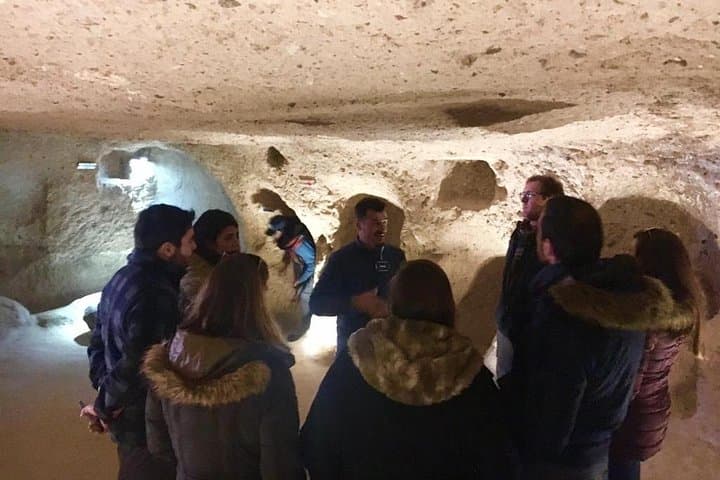
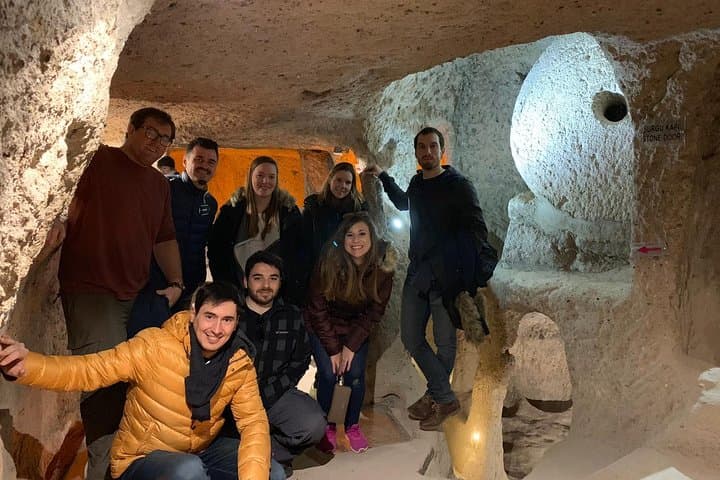
Cappadocia’s history shows in frescoed cave churches and underground cities once used as refuges; geology is equally present in every step. Culture arrives at the table: simple Turkish lunches at family-run restaurants, and pottery demos in Avanos.
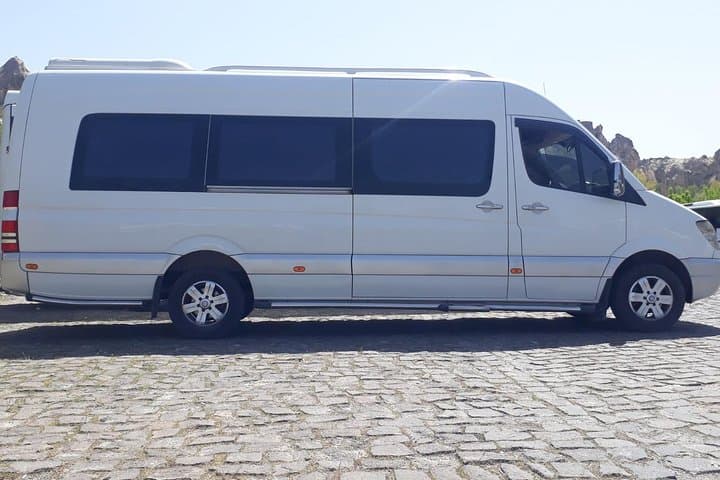
Practical guidance: the tour requires moderate fitness, sturdy footwear, sun protection, and a readiness for variable temperatures. Entrance fees and meals are not included; transportation and an air-conditioned van can be arranged for an extra fee. Start early for better light and cooler hiking, and follow your guide’s advice to protect fragile rock surfaces.
moderate.
2 days (approx. 8–10 hours/day).
Participants should have moderate fitness—able to walk several hours over uneven terrain and climb short rock steps.
The guiding fee covers the guide’s time and expertise; transportation, meals and entrance fees are not included unless you add the van option.
Yes—an air-conditioned van with driver and petrol can be added for about 100 Euro per day upon request.
No, entrance fees for sites such as Göreme Open Air Museum and underground cities are paid separately by travelers.
Some sites and short sections are stroller-accessible, but the canyon hike and uneven paths require children to be steady walkers; infants should sit on laps when requested.
Cappadocia’s cave churches and underground cities reflect a long history of Byzantine monastic life and communities seeking refuge from invasion.
The region’s soft tuff is fragile—stay on marked trails, avoid climbing formations, and support local guides who practice Leave No Trace principles.
Cappadocia Tour Guide operates guided outdoor trips and adventures with an emphasis on safety, stewardship, and memorable experiences.
Dawn breaks across a landscape carved from volcanic ash: ridges rise like pages torn from stone, and the wind has already begun to shape the fairy chimneys that give Cappadocia its reputation. On day one a local guide leads the group through Devrent (Imagination) Valley and Paşabağ, where mushroom-shaped pillars lean and shadow plays over the rock faces. The tour pauses in Avanos beside the red Kızılırmak — the river that taught the town its pottery craft — before visiting Göreme Open Air Museum and climbing to the Göreme panorama for broad views. Uçhisar Castle, the region’s highest rock formation, caps the day with layered vistas.
Dawn breaks across a landscape carved from volcanic ash: ridges rise like pages torn from stone, and the wind has already begun to shape the fairy chimneys that give Cappadocia its reputation. On day one a local guide leads the group through Devrent (Imagination) Valley and Paşabağ, where mushroom-shaped pillars lean and shadow plays over the rock faces. The tour pauses in Avanos beside the red Kızılırmak — the river that taught the town its pottery craft — before visiting Göreme Open Air Museum and climbing to the Göreme panorama for broad views. Uçhisar Castle, the region’s highest rock formation, caps the day with layered vistas.
The second day switches tone: a 4 km canyon hike along the Melendiz river introduces a quieter geology—soft tuff carved to narrow canyon walls, seasonal pools, and orchards where locals still farm. The route moves from open viewpoints to sheltered, rocky corridors; expect uneven stone paths and occasional loose scree.
Cappadocia’s history shows in frescoed cave churches and underground cities once used as refuges; geology is equally present in every step. Culture arrives at the table: simple Turkish lunches at family-run restaurants, and pottery demos in Avanos.
Practical guidance: the tour requires moderate fitness, sturdy footwear, sun protection, and a readiness for variable temperatures. Entrance fees and meals are not included; transportation and an air-conditioned van can be arranged for an extra fee. Start early for better light and cooler hiking, and follow your guide’s advice to protect fragile rock surfaces.