THE ADVENTURE COLLECTIVE® · Independent discovery and booking for outdoor travel

Move from Cappadocia’s carved valleys to the white travertines of Pamukkale on this compact, private 7‑day tour. Expect cave churches, underground cities, Seljuk monuments and the sweeping marble avenues of Ephesus, with practical tips for hiking, swimming and photography.
Move from Cappadocia’s carved valleys to the white travertines of Pamukkale on this compact, private 7‑day tour. Expect cave churches, underground cities, Seljuk monuments and the sweeping marble avenues of Ephesus, with practical tips for hiking, swimming and photography.
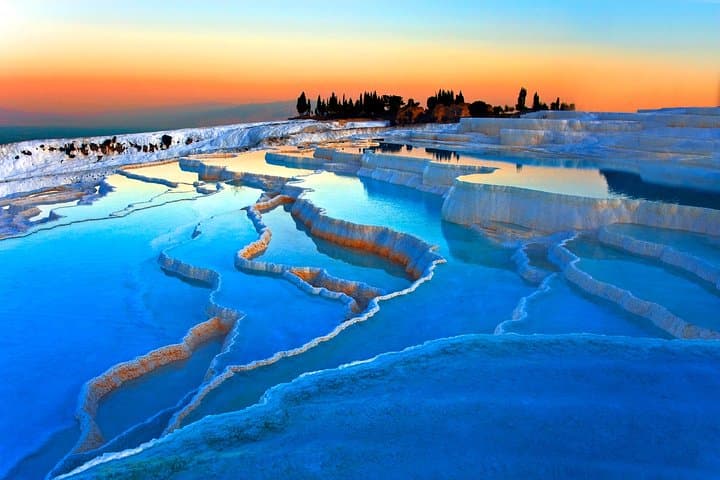
You step off the minibus into a landscape that reads like geology in motion: cone-shaped fairy chimneys casting long shadows, a ribbon of river cutting a green scar through volcanic plain, and the pale terraces of Pamukkale shining at a distance.
Verified experiences and guided adventures in the surrounding area.
Operated by Stoneland Travel · Göreme, Nevşehir
You step off the minibus into a landscape that reads like geology in motion: cone-shaped fairy chimneys casting long shadows, a ribbon of river cutting a green scar through volcanic plain, and the pale terraces of Pamukkale shining at a distance.
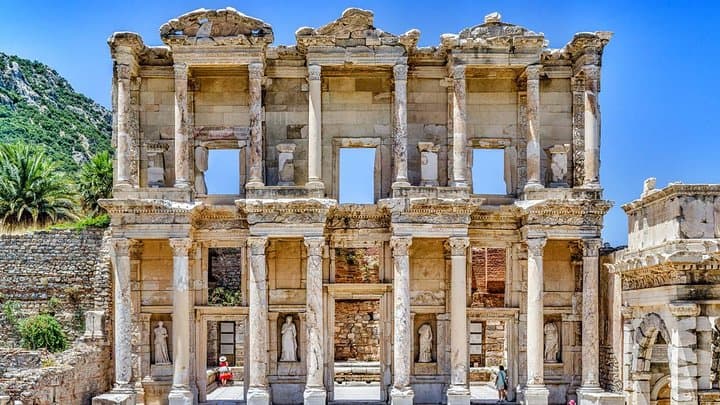
This seven-day loop threads together Turkey’s central and western chapters — Cappadocia’s soft tufa carved by wind and water over millennia, Konya’s Seljuk mosaics and the Mevlana shrine that anchors Sufi history, the calcium terraces and Roman spa town of Hierapolis, and the marble avenues of Ephesus where the Celsus façade still commands attention.
Expect varied terrain: short hikes in Ihlara Valley (about 3.5 km, with some uneven stone and steps), easy walking through ruins and museum sites, and periodic stairs at underground cities and Selime Monastery. Cultural notes arrive as you go: ancient Christians painted cave churches, Seljuk patrons built mosques, and Ottoman artisans kept textile and onyx traditions alive.
Practical guidance: pack footwear for uneven stone and stairs, a daypack with water and sun protection, and a swimsuit for optional thermal pools. Mornings are best for photo-light and cooler temperatures; afternoons in Konya and Kusadası are good for relaxed museum time. The tour uses private transport and includes most breakfasts, national park fees and local guides, but allow cash for optional entrance fees (Cleopatra pool), souvenirs and gratuities.
By day four the itinerary has a rhythm — hike, history talk, roadside lunch — and you’ll finish with the long view through Ephesus’ colonnade, where marble still seems to remember the feet that walked there centuries ago.
moderate.
6–7 days.
Suitable for travelers in light to moderate fitness who can walk several hours and climb stairs; not technical.
No technical skills are required; days include walking up to a few hours with stairs and uneven surfaces—moderate fitness and comfortable footwear are recommended.
Most breakfasts, national park fees, six nights’ accommodation and many admissions are included, but some optional fees (Cleopatra pool) and personal purchases are extra—check the booking details.
This is a private tour and operators typically accommodate dietary requests and limited mobility if notified in advance—provide details at booking.
Spring and fall offer the most comfortable temperatures and good light for photography; summer is hotter but still popular, while winter is quieter with potential snow in Cappadocia.
The route links Neolithic cave settlements, Roman provincial Ephesus and Seljuk-era Konya, showing layers of Anatolian civilization from antiquity to Ottoman times.
Visitors should stick to marked paths at travertines and archaeological sites to protect fragile carbonate formations and prevent erosion; use refillable water bottles to limit plastic waste.
Stoneland Travel operates guided outdoor trips and adventures with an emphasis on safety, stewardship, and memorable experiences.
You step off the minibus into a landscape that reads like geology in motion: cone-shaped fairy chimneys casting long shadows, a ribbon of river cutting a green scar through volcanic plain, and the pale terraces of Pamukkale shining at a distance.
You step off the minibus into a landscape that reads like geology in motion: cone-shaped fairy chimneys casting long shadows, a ribbon of river cutting a green scar through volcanic plain, and the pale terraces of Pamukkale shining at a distance.
This seven-day loop threads together Turkey’s central and western chapters — Cappadocia’s soft tufa carved by wind and water over millennia, Konya’s Seljuk mosaics and the Mevlana shrine that anchors Sufi history, the calcium terraces and Roman spa town of Hierapolis, and the marble avenues of Ephesus where the Celsus façade still commands attention.
Expect varied terrain: short hikes in Ihlara Valley (about 3.5 km, with some uneven stone and steps), easy walking through ruins and museum sites, and periodic stairs at underground cities and Selime Monastery. Cultural notes arrive as you go: ancient Christians painted cave churches, Seljuk patrons built mosques, and Ottoman artisans kept textile and onyx traditions alive.
Practical guidance: pack footwear for uneven stone and stairs, a daypack with water and sun protection, and a swimsuit for optional thermal pools. Mornings are best for photo-light and cooler temperatures; afternoons in Konya and Kusadası are good for relaxed museum time. The tour uses private transport and includes most breakfasts, national park fees and local guides, but allow cash for optional entrance fees (Cleopatra pool), souvenirs and gratuities.
By day four the itinerary has a rhythm — hike, history talk, roadside lunch — and you’ll finish with the long view through Ephesus’ colonnade, where marble still seems to remember the feet that walked there centuries ago.