THE ADVENTURE COLLECTIVE® · Independent discovery and booking for outdoor travel

A practical full-day circuit through Cappadocia’s most iconic rock landscapes—Uchisar’s panorama, Pasabagi’s fairy chimneys, the cave dwellings of Zelve and a pottery stop in Avanos. Ideal for travelers who want geology, history and hands-on culture in one accessible outing.
A practical full-day circuit through Cappadocia’s most iconic rock landscapes—Uchisar’s panorama, Pasabagi’s fairy chimneys, the cave dwellings of Zelve and a pottery stop in Avanos. Ideal for travelers who want geology, history and hands-on culture in one accessible outing.
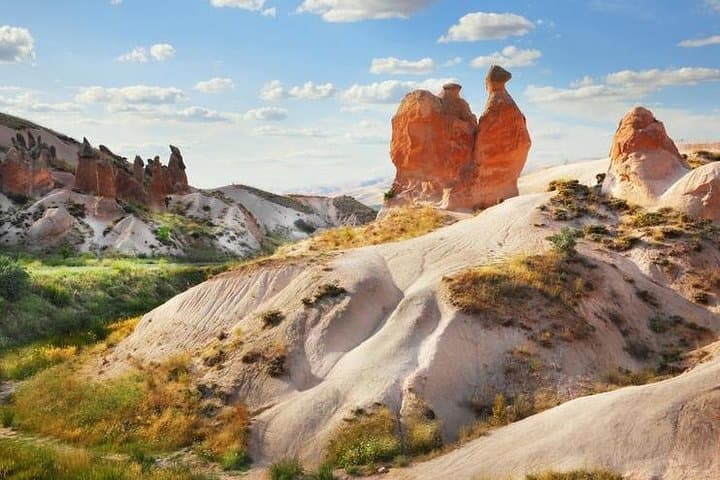
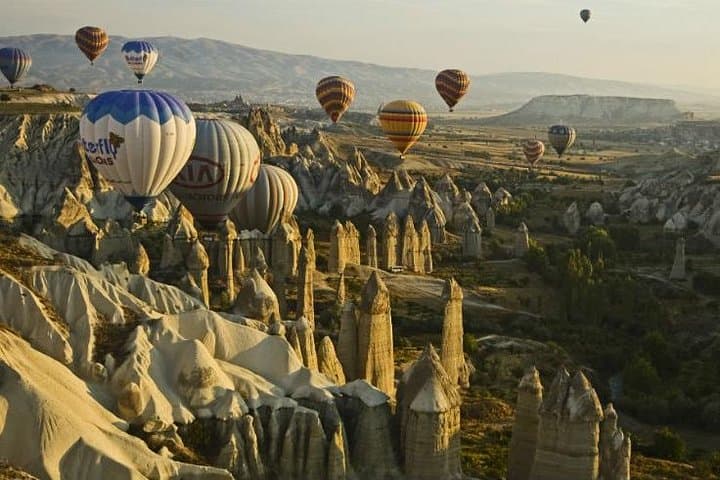
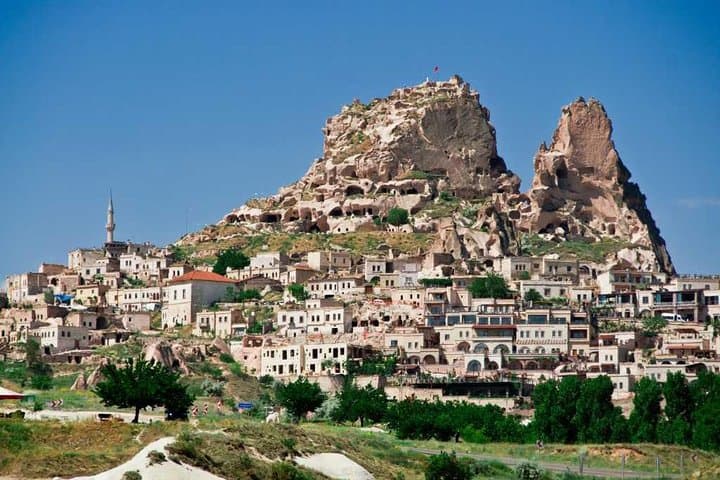
You step off the air-conditioned minibus into a landscape that refuses to behave like normal geology. The rocks rise like worked stone—mushroom caps, cones and ribbed spires—shaping wind-carved rooms and narrow canyons that seem to challenge you to slow down and look. From the terrace at Uchisar Castle the plain opens out in waves: fairy chimneys, agricultural plots, and a ribbon of distant hills. The guide points out the paths and the cracks where centuries of people have hollowed rooms and carved churches into tufa.
Verified experiences and guided adventures in the surrounding area.
Operated by MyTrip Travel & Turkey Tours · Göreme, Nevşehir
You step off the air-conditioned minibus into a landscape that refuses to behave like normal geology. The rocks rise like worked stone—mushroom caps, cones and ribbed spires—shaping wind-carved rooms and narrow canyons that seem to challenge you to slow down and look. From the terrace at Uchisar Castle the plain opens out in waves: fairy chimneys, agricultural plots, and a ribbon of distant hills. The guide points out the paths and the cracks where centuries of people have hollowed rooms and carved churches into tufa.
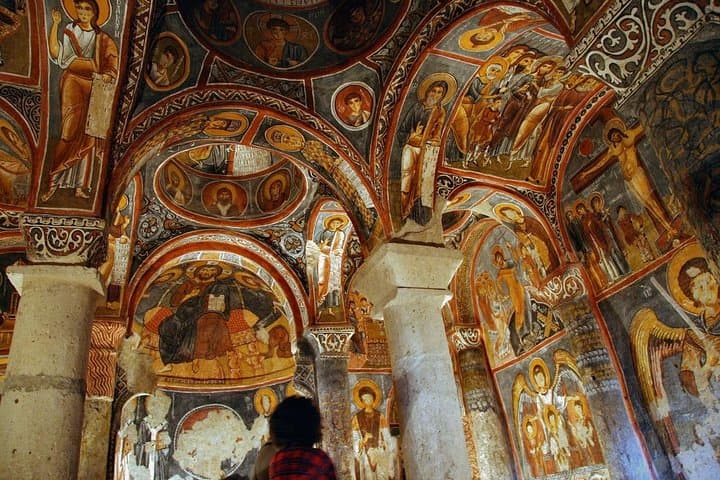
Cappadocia's story is both volcanic and human. Layers of ash and lava from Erciyes and Hasan volcanoes consolidated into soft tuff, which wind and rain have sculpted into the forms you see. The Hittites, Romans and Byzantines left cave dwellings and frescoed chapels; later, cave communities adapted the hoodoo stone for cellars, stables and sanctuaries. Zelve, now an open-air museum, was an occupied village until the mid-20th century and shows that slow conversation between people and rock. Avanos, on the Kızılırmak, records an even older craft: potters have used local red clay since Hittite times.
The Red Tour strings these pieces together in about seven hours: a parking-lot to panorama rhythm at Uchisar, a stroll across a valley rim for photos and context, a longer stop at Pasabagi to stand beneath the three-hatted fairy chimneys, an hour in Zelve immersed in cut-rock rooms and carved facades, then lunch and a pottery demonstration in Avanos where hands still shape the local clay. The day is intentionally readable—short walks, firm dirt paths, and stairways where necessary—so it feels like a cultural hike through a surface shaped by time.
Practical notes: wear sturdy shoes with good tread—many sites have uneven steps and loose volcanic scree. Bring sun protection and a refillable water bottle; the high plateau bakes quickly even on cool mornings. The tour includes lunch, a guide and hotel pickup across Cappadocia, and moves in an air-conditioned vehicle—book at least 24 hours ahead to retain a flexible cancellation window. Early and late-year visitors should layer: mornings can be crisp, afternoons warm. For photographers, Uchisar overlooks and the bases of Pasabagi are best for composition; look for the Kızılırmak’s sheen near Avanos for contrasting color.
This is a day for seeing how geology, craft and history stack up in three-dimensional relief—an accessible, structured way to cover Cappadocia’s high points and leave space to return on foot or by balloon for the quieter hours.
easy.
6–8 hours.
Suitable for most fitness levels—expect short walks of up to 1 hour at a time on uneven surfaces.
The tour runs about seven hours with hotel pickup across Cappadocia; exact pickup time depends on your hotel and the tour operator's schedule.
Yes—admission to Zelve Open Air Museum is included in the tour as indicated in the itinerary.
Lunch is included and typically served at a local restaurant; bring snacks if you have dietary restrictions and inform the operator in advance.
Yes—infants can sit on laps and strollers are usable in some locations, but some walking areas have steps and uneven ground.
Yes—Avanos includes a traditional pottery demonstration and opportunities to purchase ceramics; note the tour may visit a shopping center as part of the itinerary.
Wear comfortable layered clothing, sun protection, and closed-toe shoes for stable footing on rocky paths.
The region’s soft tuff was formed by volcanic ash; inhabitants carved dwellings and churches into these rocks from ancient times through the Byzantine era, as seen in Zelve and surrounding sites.
Erosion and foot traffic threaten fragile tuff formations—stick to marked paths, avoid climbing chimneys and support local guides who emphasize low-impact visitation.
MyTrip Travel & Turkey Tours operates guided outdoor trips and adventures with an emphasis on safety, stewardship, and memorable experiences.
You step off the air-conditioned minibus into a landscape that refuses to behave like normal geology. The rocks rise like worked stone—mushroom caps, cones and ribbed spires—shaping wind-carved rooms and narrow canyons that seem to challenge you to slow down and look. From the terrace at Uchisar Castle the plain opens out in waves: fairy chimneys, agricultural plots, and a ribbon of distant hills. The guide points out the paths and the cracks where centuries of people have hollowed rooms and carved churches into tufa.
You step off the air-conditioned minibus into a landscape that refuses to behave like normal geology. The rocks rise like worked stone—mushroom caps, cones and ribbed spires—shaping wind-carved rooms and narrow canyons that seem to challenge you to slow down and look. From the terrace at Uchisar Castle the plain opens out in waves: fairy chimneys, agricultural plots, and a ribbon of distant hills. The guide points out the paths and the cracks where centuries of people have hollowed rooms and carved churches into tufa.
Cappadocia's story is both volcanic and human. Layers of ash and lava from Erciyes and Hasan volcanoes consolidated into soft tuff, which wind and rain have sculpted into the forms you see. The Hittites, Romans and Byzantines left cave dwellings and frescoed chapels; later, cave communities adapted the hoodoo stone for cellars, stables and sanctuaries. Zelve, now an open-air museum, was an occupied village until the mid-20th century and shows that slow conversation between people and rock. Avanos, on the Kızılırmak, records an even older craft: potters have used local red clay since Hittite times.
The Red Tour strings these pieces together in about seven hours: a parking-lot to panorama rhythm at Uchisar, a stroll across a valley rim for photos and context, a longer stop at Pasabagi to stand beneath the three-hatted fairy chimneys, an hour in Zelve immersed in cut-rock rooms and carved facades, then lunch and a pottery demonstration in Avanos where hands still shape the local clay. The day is intentionally readable—short walks, firm dirt paths, and stairways where necessary—so it feels like a cultural hike through a surface shaped by time.
Practical notes: wear sturdy shoes with good tread—many sites have uneven steps and loose volcanic scree. Bring sun protection and a refillable water bottle; the high plateau bakes quickly even on cool mornings. The tour includes lunch, a guide and hotel pickup across Cappadocia, and moves in an air-conditioned vehicle—book at least 24 hours ahead to retain a flexible cancellation window. Early and late-year visitors should layer: mornings can be crisp, afternoons warm. For photographers, Uchisar overlooks and the bases of Pasabagi are best for composition; look for the Kızılırmak’s sheen near Avanos for contrasting color.
This is a day for seeing how geology, craft and history stack up in three-dimensional relief—an accessible, structured way to cover Cappadocia’s high points and leave space to return on foot or by balloon for the quieter hours.