THE ADVENTURE COLLECTIVE® · Independent discovery and booking for outdoor travel

Spend a well-paced day exploring Cappadocia’s northern circuit: Uçhisar Castle, the UNESCO-listed Göreme Open Air Museum, Paşabağı’s fairy chimneys, Avanos pottery, Devrent’s animal rocks and Ürgüp’s iconic formations. This guided Red Tour blends geology, early-Christian history and living craft in 6–7 hours with hotel pickup.
Spend a well-paced day exploring Cappadocia’s northern circuit: Uçhisar Castle, the UNESCO-listed Göreme Open Air Museum, Paşabağı’s fairy chimneys, Avanos pottery, Devrent’s animal rocks and Ürgüp’s iconic formations. This guided Red Tour blends geology, early-Christian history and living craft in 6–7 hours with hotel pickup.
Dawn in Cappadocia arrives like a slow reveal: low-slung clouds lift off eroded ridges and the fairy chimneys sharpen into silhouette. You climb aboard a small luxury bus in Göreme and the landscape—soft volcanic tuff cut by wind and water—unfurls as your guide begins a measured narration of geology and faith. The first stop, Uçhisar Castle, is less a fortress than a weathered high point punctuated by carved rooms and narrow steps; from the top the plateaus and valleys stretch away, gullies folding like open palms.
Verified experiences and guided adventures in the surrounding area.
Operated by Payless · Göreme, Nevşehir Province
Dawn in Cappadocia arrives like a slow reveal: low-slung clouds lift off eroded ridges and the fairy chimneys sharpen into silhouette. You climb aboard a small luxury bus in Göreme and the landscape—soft volcanic tuff cut by wind and water—unfurls as your guide begins a measured narration of geology and faith. The first stop, Uçhisar Castle, is less a fortress than a weathered high point punctuated by carved rooms and narrow steps; from the top the plateaus and valleys stretch away, gullies folding like open palms.
The Red Tour threads key northern highlights: Göreme Open Air Museum’s rock-cut churches, the hermit cells of Paşabağı, the animal-shaped stones of Devrent, a pottery stop in Avanos beside the Red River, and the signature chimneys outside Ürgüp. The Open Air Museum is the cultural heart—the frescoed apses and monk cells are living history, pigments preserved in the dry air dating back to early Christianity. Geologically, Cappadocia is a chapter in slow violence: ash and lava from ancient volcanoes compacted into tuff, which locals hollowed into dwellings and sanctuaries; erosion later carved the chimneys that now loom above vineyard terraces.
Avanos adds a human scale—a town of potters whose techniques trace to Hittite workshops two millennia BCE. Here the Red River offers the clay and craftsmen show how the wheel yields a simple jug and a pattern handed down through generations. Along the way, the landscape itself feels active; wind seems to be pushing the rock into new shapes even as you watch.
Practical guide: the full loop runs about 6–7 hours with hotel pickup and drop-off; expect 1–3 km of walking across uneven trails and stepped viewpoints. Wear sturdy shoes for short climbs—Uçhisar’s overlooks and the chapels require stair navigation—and bring sun protection; central Anatolia’s sun is direct even in shoulder seasons. The tour includes an open-buffet lunch, entrance to the Göreme Open Air Museum, and a small-group format that keeps transit times efficient.
Timing and photo strategy matter: schedule this tour after an early balloon morning if you want both experiences—buses and balloons share the same low-traffic window. If frescoes interest you, spend extra minutes in the Open Air Museum; guides typically outline iconography and historical context. Respect active workshops and fragile interiors: photography is welcome in exteriors, but ask before shooting inside churches or potters’ demonstrations.
This day is equal parts landscape and history—rock that shaped a people, and people who shaped the rock back—an accessible, well-paced way to read Cappadocia in a single, memorable day.
easy.
6–7 hours.
Suitable for travelers who can walk short distances on uneven ground and climb stairs; minimal sustained fitness required.
The tour runs approximately 6–7 hours (360–420 minutes) including hotel pickup, guided visits and lunch.
Yes—this tour includes entrance to the Göreme Open Air Museum as stated in the itinerary.
Yes—the itinerary includes a pottery workshop visit where a potter demonstrates techniques and participants can try the wheel.
The tour is rated easy and suitable for most ages, but sites have uneven terrain and stairs; travelers with limited mobility should notify the operator before booking.
Yes—an open buffet lunch at a traditional Turkish restaurant is included in the tour price.
Yes—many travelers schedule the ballooning early and join the Red Tour afterward; confirm pickup times with the operator to coordinate transfers.
Cappadocia grew from volcanic deposits and centuries of carved habitation; its rock churches and frescoes reflect a key early-Christian community that used cave complexes as monastic and refuge sites.
Erosion and visitor pressure are ongoing concerns—stay on marked paths, avoid touching frescoes and support local craftspeople to keep traditional economies viable.
Payless operates guided outdoor trips and adventures with an emphasis on safety, stewardship, and memorable experiences.
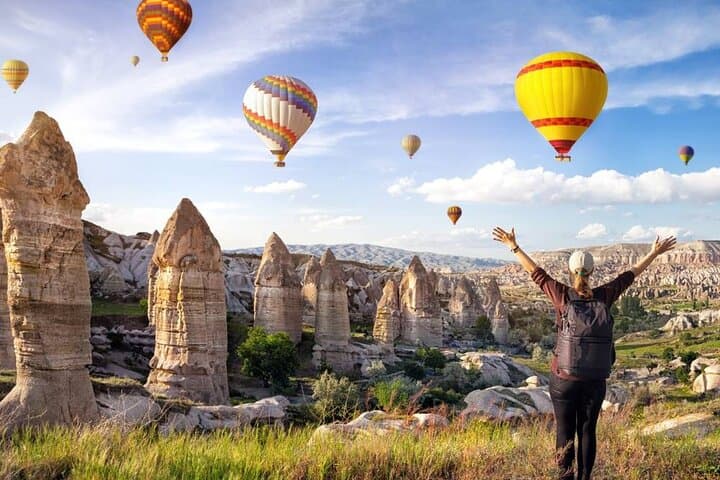
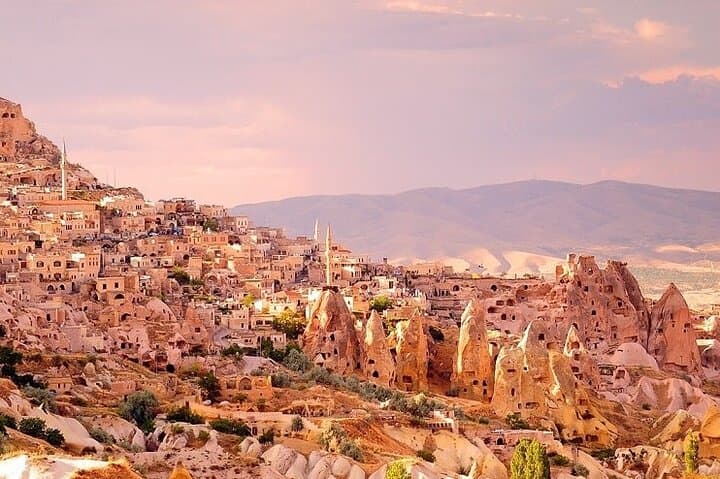
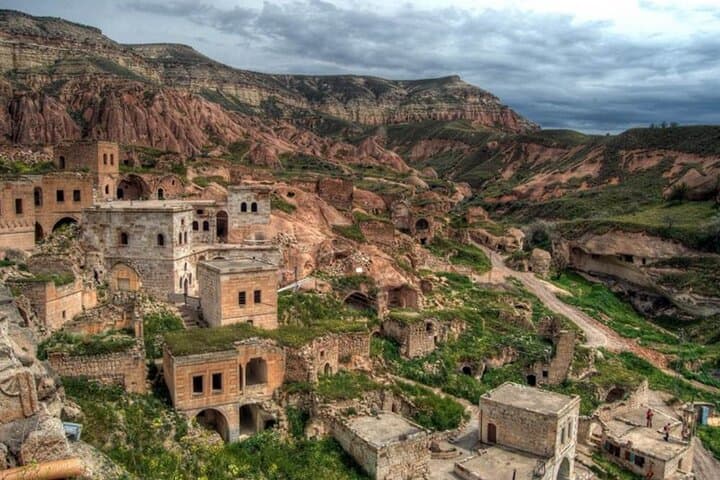
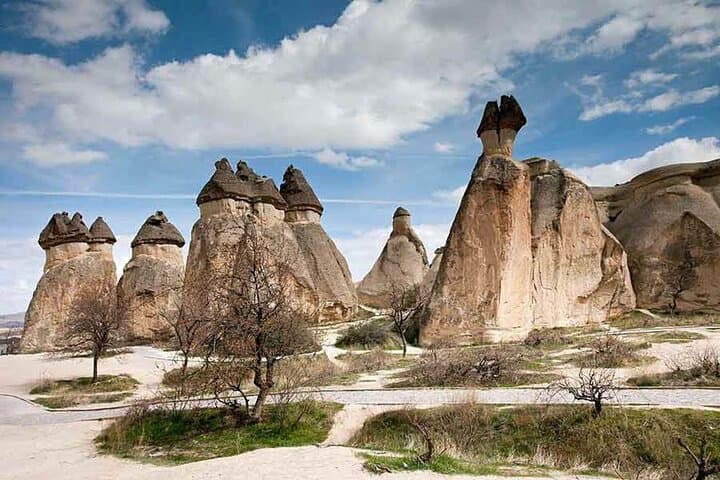
Dawn in Cappadocia arrives like a slow reveal: low-slung clouds lift off eroded ridges and the fairy chimneys sharpen into silhouette. You climb aboard a small luxury bus in Göreme and the landscape—soft volcanic tuff cut by wind and water—unfurls as your guide begins a measured narration of geology and faith. The first stop, Uçhisar Castle, is less a fortress than a weathered high point punctuated by carved rooms and narrow steps; from the top the plateaus and valleys stretch away, gullies folding like open palms.
Dawn in Cappadocia arrives like a slow reveal: low-slung clouds lift off eroded ridges and the fairy chimneys sharpen into silhouette. You climb aboard a small luxury bus in Göreme and the landscape—soft volcanic tuff cut by wind and water—unfurls as your guide begins a measured narration of geology and faith. The first stop, Uçhisar Castle, is less a fortress than a weathered high point punctuated by carved rooms and narrow steps; from the top the plateaus and valleys stretch away, gullies folding like open palms.
The Red Tour threads key northern highlights: Göreme Open Air Museum’s rock-cut churches, the hermit cells of Paşabağı, the animal-shaped stones of Devrent, a pottery stop in Avanos beside the Red River, and the signature chimneys outside Ürgüp. The Open Air Museum is the cultural heart—the frescoed apses and monk cells are living history, pigments preserved in the dry air dating back to early Christianity. Geologically, Cappadocia is a chapter in slow violence: ash and lava from ancient volcanoes compacted into tuff, which locals hollowed into dwellings and sanctuaries; erosion later carved the chimneys that now loom above vineyard terraces.
Avanos adds a human scale—a town of potters whose techniques trace to Hittite workshops two millennia BCE. Here the Red River offers the clay and craftsmen show how the wheel yields a simple jug and a pattern handed down through generations. Along the way, the landscape itself feels active; wind seems to be pushing the rock into new shapes even as you watch.
Practical guide: the full loop runs about 6–7 hours with hotel pickup and drop-off; expect 1–3 km of walking across uneven trails and stepped viewpoints. Wear sturdy shoes for short climbs—Uçhisar’s overlooks and the chapels require stair navigation—and bring sun protection; central Anatolia’s sun is direct even in shoulder seasons. The tour includes an open-buffet lunch, entrance to the Göreme Open Air Museum, and a small-group format that keeps transit times efficient.
Timing and photo strategy matter: schedule this tour after an early balloon morning if you want both experiences—buses and balloons share the same low-traffic window. If frescoes interest you, spend extra minutes in the Open Air Museum; guides typically outline iconography and historical context. Respect active workshops and fragile interiors: photography is welcome in exteriors, but ask before shooting inside churches or potters’ demonstrations.
This day is equal parts landscape and history—rock that shaped a people, and people who shaped the rock back—an accessible, well-paced way to read Cappadocia in a single, memorable day.