THE ADVENTURE COLLECTIVE® · Independent discovery and booking for outdoor travel

Spend a day tracing Cappadocia’s volcanic past and human ingenuity on the Red Tour: cave churches at Göreme Open‑Air Museum, the surreal fairy chimneys of Devrent and Zelve, and a hands‑on pottery stop in Avanos. This seven‑hour small‑group trip mixes geology, Byzantine art and living craft.
Spend a day tracing Cappadocia’s volcanic past and human ingenuity on the Red Tour: cave churches at Göreme Open‑Air Museum, the surreal fairy chimneys of Devrent and Zelve, and a hands‑on pottery stop in Avanos. This seven‑hour small‑group trip mixes geology, Byzantine art and living craft.
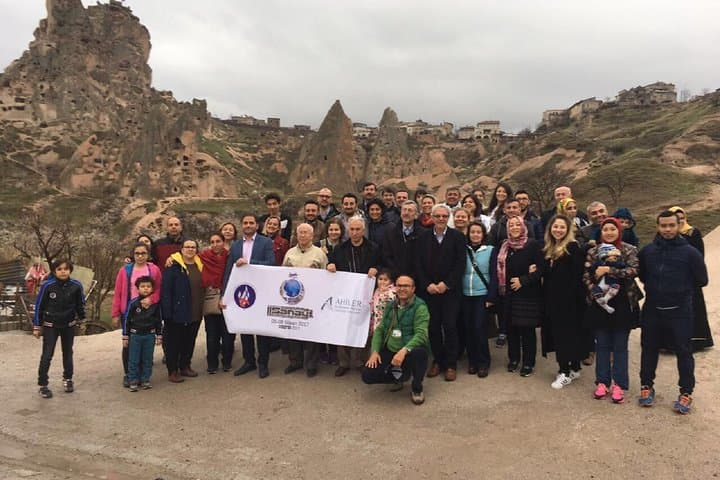
The minivan hums along a ribbon of basalt as the valley opens up into a field of stone towers. Sunlight slants across honey-colored tuff, and the day’s first chimneys cast long, odd shadows that look almost deliberate—as if the landscape itself is putting on a performance for the small group gathered at the pickup point in Göreme.
Verified experiences and guided adventures in the surrounding area.
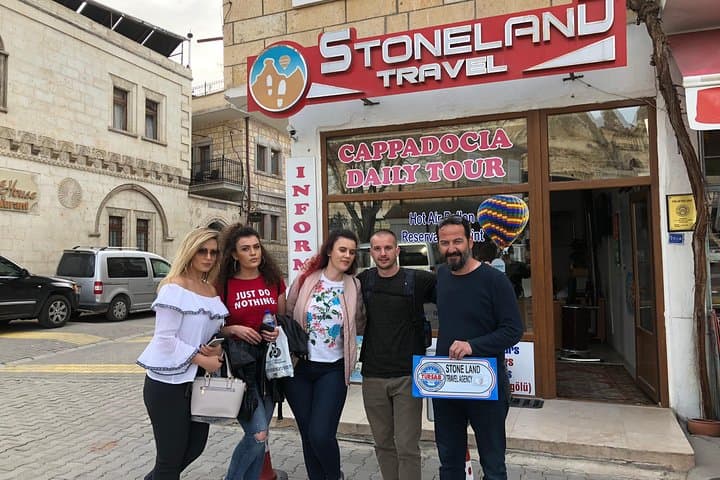
Operated by Stoneland Travel · Göreme, Nevşehir
The minivan hums along a ribbon of basalt as the valley opens up into a field of stone towers. Sunlight slants across honey-colored tuff, and the day’s first chimneys cast long, odd shadows that look almost deliberate—as if the landscape itself is putting on a performance for the small group gathered at the pickup point in Göreme.
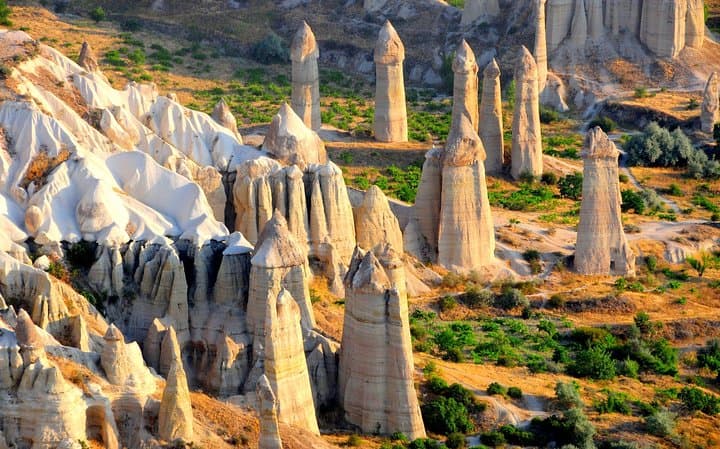
By mid-morning you’re walking between carved cave churches at the Göreme Open-Air Museum, where frescoed interiors freeze Byzantine prayers in pigment. The guide points out iconography and restoration lines; the rock holds a layered history—Hittite soil turned volcanic ash, sculpted by millennia of wind and water into the tight columns called fairy chimneys. Later stops thread the region together: the hollowed strata of Zelve’s abandoned village, the whimsical rock shapes of Devrent Valley, and Love Valley’s towering pinnacles that seem to challenge gravity.
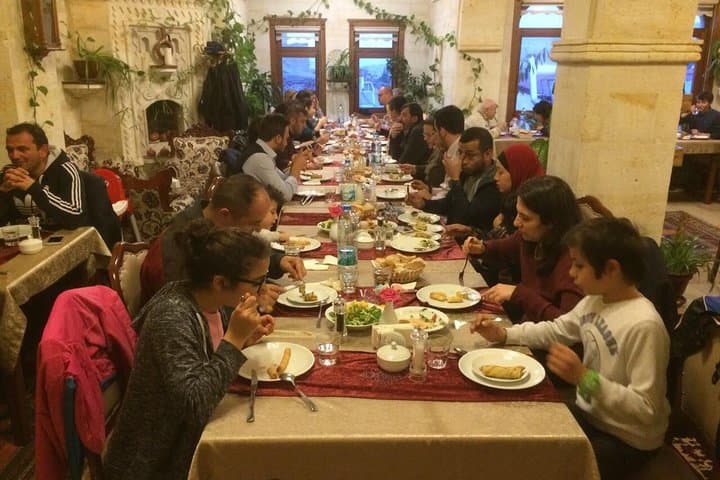
Lunch in Avanos offers a cultural counterpoint. The town sits on the banks of the Kızılırmak, its silty water feeding a pottery tradition that stretches back to the Hittites. At a working studio you’ll watch a potter pull a pot from terra rosa clay, then walk through a small carpet cooperative to learn how loom patterns encode local stories.
Geology and human craft are the day’s twin themes: volcanic eruptions created the raw material, erosion gave it form, and centuries of people hollowed and painted those hollows into places of worship, shelter and commerce. Uçhisar Castle provides a final vantage—climb its stair-cut passages to the highest point in the region and get a clear read on the sweep of valleys below.
Practical guide: the tour runs about seven hours (approx. 420 minutes) with hotel pickup from Göreme, Ürgüp, Avanos and select towns—check your exact pickup time when you book. It’s rated easy: expect mostly short walks and steps into cave sites; entrances and local taxes are included, and lunch is provided in Avanos. Bring a valid passport for ID, comfortable walking shoes, a refillable water bottle, sun protection and a lightweight layer for gusty afternoons.
Timing matters. Early light flatters the valleys (balloon silhouettes if you’re up before dawn), while late afternoon brings warmer tones on the rock faces. Respect the sites: stay on marked paths, don’t climb fragile chimneys and support local artisans by buying directly from cooperative shops. For a concise day in Cappadocia that blends landscape, history and craft, the Red Tour is an efficient, sensory introduction—and a travel day that leaves plenty of details to explore on a return visit.
easy.
7 hours.
Suitable for most fitness levels; involves short walks, steps into cave sites and some uneven footing.
Yes—entrance fees for the main museums and sites listed in the itinerary are included in the tour price.
Pickup windows vary by town: Göreme ~09:30, Ürgüp/Avanos/Ortahisar 08:45–09:00, Uçhisar ~10:00; confirm your exact pickup when booking.
The tour is family‑friendly and notes stroller access in some areas, but many cave sites have steps—infants must sit on an adult’s lap.
Yes, a current valid passport is required on the day of travel for identification.
Balloons are a skyline feature at sunrise and are not part of the Red Tour itinerary; you may glimpse balloons if they’re flying earlier in the morning.
Yes—the itinerary includes visits to a pottery studio and a carpet cooperative where purchases are possible; bring small cash and ask about shipping options for large items.
The region’s cave churches were carved and frescoed during the Byzantine era; local pottery techniques trace back to Hittite use of Kızılırmak clays.
Erosion and foot traffic threaten fragile tuff formations—stay on marked paths, avoid touching frescoes and support local conservation efforts by following site rules.
Stoneland Travel operates guided outdoor trips and adventures with an emphasis on safety, stewardship, and memorable experiences.
The minivan hums along a ribbon of basalt as the valley opens up into a field of stone towers. Sunlight slants across honey-colored tuff, and the day’s first chimneys cast long, odd shadows that look almost deliberate—as if the landscape itself is putting on a performance for the small group gathered at the pickup point in Göreme.
The minivan hums along a ribbon of basalt as the valley opens up into a field of stone towers. Sunlight slants across honey-colored tuff, and the day’s first chimneys cast long, odd shadows that look almost deliberate—as if the landscape itself is putting on a performance for the small group gathered at the pickup point in Göreme.
By mid-morning you’re walking between carved cave churches at the Göreme Open-Air Museum, where frescoed interiors freeze Byzantine prayers in pigment. The guide points out iconography and restoration lines; the rock holds a layered history—Hittite soil turned volcanic ash, sculpted by millennia of wind and water into the tight columns called fairy chimneys. Later stops thread the region together: the hollowed strata of Zelve’s abandoned village, the whimsical rock shapes of Devrent Valley, and Love Valley’s towering pinnacles that seem to challenge gravity.
Lunch in Avanos offers a cultural counterpoint. The town sits on the banks of the Kızılırmak, its silty water feeding a pottery tradition that stretches back to the Hittites. At a working studio you’ll watch a potter pull a pot from terra rosa clay, then walk through a small carpet cooperative to learn how loom patterns encode local stories.
Geology and human craft are the day’s twin themes: volcanic eruptions created the raw material, erosion gave it form, and centuries of people hollowed and painted those hollows into places of worship, shelter and commerce. Uçhisar Castle provides a final vantage—climb its stair-cut passages to the highest point in the region and get a clear read on the sweep of valleys below.
Practical guide: the tour runs about seven hours (approx. 420 minutes) with hotel pickup from Göreme, Ürgüp, Avanos and select towns—check your exact pickup time when you book. It’s rated easy: expect mostly short walks and steps into cave sites; entrances and local taxes are included, and lunch is provided in Avanos. Bring a valid passport for ID, comfortable walking shoes, a refillable water bottle, sun protection and a lightweight layer for gusty afternoons.
Timing matters. Early light flatters the valleys (balloon silhouettes if you’re up before dawn), while late afternoon brings warmer tones on the rock faces. Respect the sites: stay on marked paths, don’t climb fragile chimneys and support local artisans by buying directly from cooperative shops. For a concise day in Cappadocia that blends landscape, history and craft, the Red Tour is an efficient, sensory introduction—and a travel day that leaves plenty of details to explore on a return visit.