THE ADVENTURE COLLECTIVE® · Independent discovery and booking for outdoor travel

Spend a full day moving through Cappadocia’s elemental landscape: panoramic viewpoints, a fortress carved from rock, mushroom-shaped fairy chimneys, and a riverside pottery town. This small-group Red Tour pairs geology and culture with manageable walks and a relaxed lunchtime in Uçhisar.
Spend a full day moving through Cappadocia’s elemental landscape: panoramic viewpoints, a fortress carved from rock, mushroom-shaped fairy chimneys, and a riverside pottery town. This small-group Red Tour pairs geology and culture with manageable walks and a relaxed lunchtime in Uçhisar.
You step out before the traffic arrives and the valley is already talking. Low sun slants across cone-shaped chimneys; dust motes float like tiny planets. The Red Tour begins the way many Cappadocia mornings do—not with a sprint but with a slow widening of the senses. From the Göreme panorama you get your first thesis statement: this is a landscape that writes itself in stone, wind, and time.
Verified experiences and guided adventures in the surrounding area.
Operated by ROX Travels · Göreme, Nevşehir Province
You step out before the traffic arrives and the valley is already talking. Low sun slants across cone-shaped chimneys; dust motes float like tiny planets. The Red Tour begins the way many Cappadocia mornings do—not with a sprint but with a slow widening of the senses. From the Göreme panorama you get your first thesis statement: this is a landscape that writes itself in stone, wind, and time.
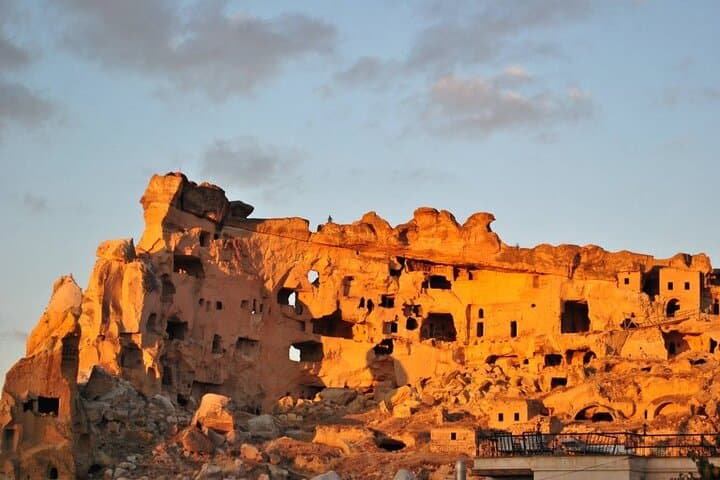
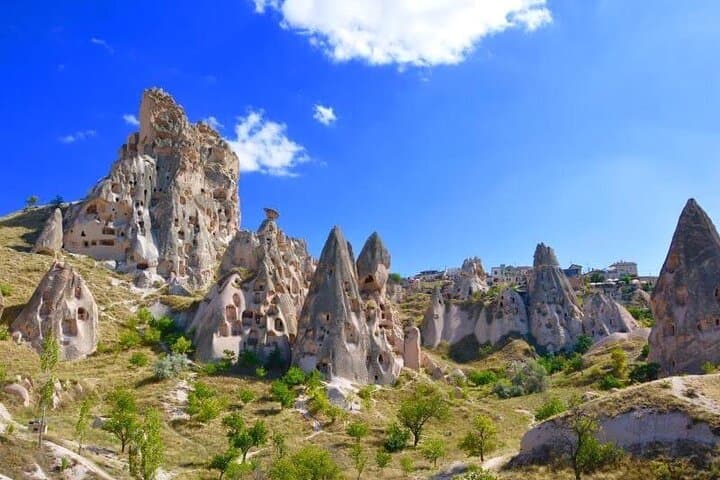
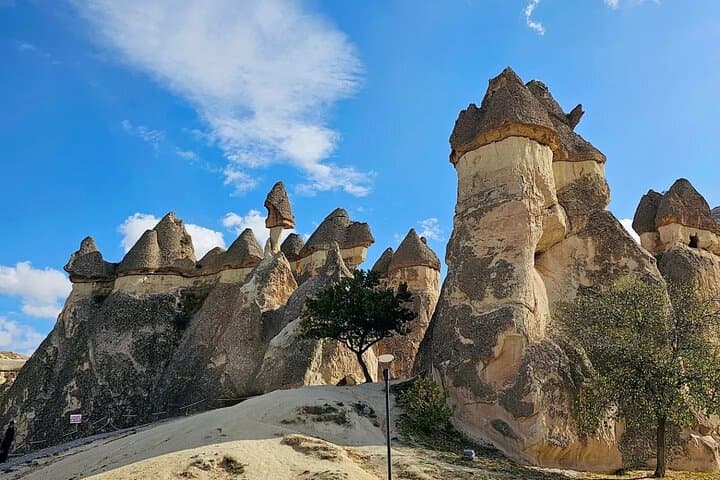
The day moves like a curated field study. Uçhisar Castle looms next, its rooms and stairways carved into volcanic tuff by hands centuries removed. Climb the narrow steps and you’ll feel the valley drop away beneath a sweep of orchards, vineyards, and the distant spikes of eroded hoodoos. Paşabağ’s fairy chimneys come next—mushroom-capped columns where columns of softer ash surrendered to harder basalt caps. At Zelve, caves and churches are carved into eroded ridges, a ghost village that maps human adaptation to a brutal but generous geology. The tour ends in Avanos, where the Kızılırmak River slows and potters coax vessels from clay dug from the same valley that raised the chimneys.
Geology here is straightforward: successive volcanic eruptions laid down layers of ash and lava; erosion sculpted those layers into chimneys, pinnacles, and soft valleys over hundreds of thousands of years. Culturally, Cappadocia is a crossroads—early Christians carved sanctuaries to hide and worship; Turks later adapted the cave dwellings into homes. Pottery in Avanos traces back millennia, a thread of craft that ties dry fields to the river’s edge.
Practical guidance: the full-day tour runs about 7–8 hours with 3–5 km of on-foot exploration spread across stops; expect short uneven walks and some stair climbing (Uçhisar involves the most elevation gain, roughly 80–120 m up to viewpoints). Wear sturdy walking shoes with good traction, bring sun protection and a light layer for morning chill. Lunch is included in Uçhisar (about 90 minutes), and bottled water is provided, but carry a refillable bottle—the air is dry and the day is long.
Timing matters: sunrise and late afternoon throw the chimneys into high relief—schedules are fixed but drivers pick favorable light. Photography rewards a small patience: wait for gaps between tour buses at the popular viewpoints. Respect the fragile sites: stick to paths in Zelve and Paşabağ; don’t climb unstable formations. If you’re curious about craft, allow an extra 30 minutes in Avanos to try the wheel.
This is a day that balances spectacle and context—volcanic history, human ingenuity, and hands-on craft—all delivered at a pace that leaves time to look closely.
easy.
7–8 hours.
Suitable for most fitness levels; requires standing and short hikes totaling 3–5 km and stair climbing at viewpoints.
The tour lasts about 7–8 hours (450 minutes) including transport between sites and a 90-minute lunch in Uçhisar.
Yes; the itinerary is paced for general comfort, but Uçhisar has stairs and some uneven terrain—bring mobility assistance if needed.
Admissions to the listed sites are included as described in the itinerary; confirm details with the operator at booking.
Yes—the tour includes a visit to an Avanos pottery shop where you can watch artisans and often try the wheel if you have extra time.
Small-group tours in the area are typically conducted in English; check your booking confirmation for language details.
The tour runs in most weather; cancellations are subject to the supplier’s policy—cancel at least 24 hours ahead for a full refund.
Cappadocia’s cave dwellings and churches date to early Christian communities who adapted soft volcanic tuff into habitable spaces and sanctuaries.
Sites are sensitive—erosion and visitor pressure threaten soft tuff; follow paths and avoid touching fragile surfaces to help preserve them.
ROX Travels operates guided outdoor trips and adventures with an emphasis on safety, stewardship, and memorable experiences.
You step out before the traffic arrives and the valley is already talking. Low sun slants across cone-shaped chimneys; dust motes float like tiny planets. The Red Tour begins the way many Cappadocia mornings do—not with a sprint but with a slow widening of the senses. From the Göreme panorama you get your first thesis statement: this is a landscape that writes itself in stone, wind, and time.
You step out before the traffic arrives and the valley is already talking. Low sun slants across cone-shaped chimneys; dust motes float like tiny planets. The Red Tour begins the way many Cappadocia mornings do—not with a sprint but with a slow widening of the senses. From the Göreme panorama you get your first thesis statement: this is a landscape that writes itself in stone, wind, and time.
The day moves like a curated field study. Uçhisar Castle looms next, its rooms and stairways carved into volcanic tuff by hands centuries removed. Climb the narrow steps and you’ll feel the valley drop away beneath a sweep of orchards, vineyards, and the distant spikes of eroded hoodoos. Paşabağ’s fairy chimneys come next—mushroom-capped columns where columns of softer ash surrendered to harder basalt caps. At Zelve, caves and churches are carved into eroded ridges, a ghost village that maps human adaptation to a brutal but generous geology. The tour ends in Avanos, where the Kızılırmak River slows and potters coax vessels from clay dug from the same valley that raised the chimneys.
Geology here is straightforward: successive volcanic eruptions laid down layers of ash and lava; erosion sculpted those layers into chimneys, pinnacles, and soft valleys over hundreds of thousands of years. Culturally, Cappadocia is a crossroads—early Christians carved sanctuaries to hide and worship; Turks later adapted the cave dwellings into homes. Pottery in Avanos traces back millennia, a thread of craft that ties dry fields to the river’s edge.
Practical guidance: the full-day tour runs about 7–8 hours with 3–5 km of on-foot exploration spread across stops; expect short uneven walks and some stair climbing (Uçhisar involves the most elevation gain, roughly 80–120 m up to viewpoints). Wear sturdy walking shoes with good traction, bring sun protection and a light layer for morning chill. Lunch is included in Uçhisar (about 90 minutes), and bottled water is provided, but carry a refillable bottle—the air is dry and the day is long.
Timing matters: sunrise and late afternoon throw the chimneys into high relief—schedules are fixed but drivers pick favorable light. Photography rewards a small patience: wait for gaps between tour buses at the popular viewpoints. Respect the fragile sites: stick to paths in Zelve and Paşabağ; don’t climb unstable formations. If you’re curious about craft, allow an extra 30 minutes in Avanos to try the wheel.
This is a day that balances spectacle and context—volcanic history, human ingenuity, and hands-on craft—all delivered at a pace that leaves time to look closely.