THE ADVENTURE COLLECTIVE® · Independent discovery and booking for outdoor travel

Spend a full day tracing Cappadocia’s geological and cultural highlights on the Red Tour—Zelve’s rock-cut dwellings, Paşabağ’s fairy chimneys and Avanos’ pottery quarter—complete with hotel pickup, lunch and museum entrances.
Spend a full day tracing Cappadocia’s geological and cultural highlights on the Red Tour—Zelve’s rock-cut dwellings, Paşabağ’s fairy chimneys and Avanos’ pottery quarter—complete with hotel pickup, lunch and museum entrances.
A pale sun lifts off the Anatolian plain and the bus slides through Göreme’s early light, carrying a dozen travelers toward rock that looks as if weather and imagination have been working on it for millennia. The Red Tour begins like a story told in stone: valleys that change color with the sun, chimneys that point like fingers toward the sky, and villages carved into their own geology.
Verified experiences and guided adventures in the surrounding area.
Operated by Theory Tour · Göreme, Nevşehir Province
A pale sun lifts off the Anatolian plain and the bus slides through Göreme’s early light, carrying a dozen travelers toward rock that looks as if weather and imagination have been working on it for millennia. The Red Tour begins like a story told in stone: valleys that change color with the sun, chimneys that point like fingers toward the sky, and villages carved into their own geology.
By mid-morning the guide leads the group into Dervent Valley, where the wind and volcanic ash once quarrelled with time to produce ridges and hoodoos that now invite interpretation. The narrative of Cappadocia is geological first—tuff deposited from ancient eruptions, then carved by rain and frost into towers, cones and cave networks—and human second: Byzantine monks, Seljuk travelers, and Ottoman craftspeople turning caves into churches, homes and workshops.
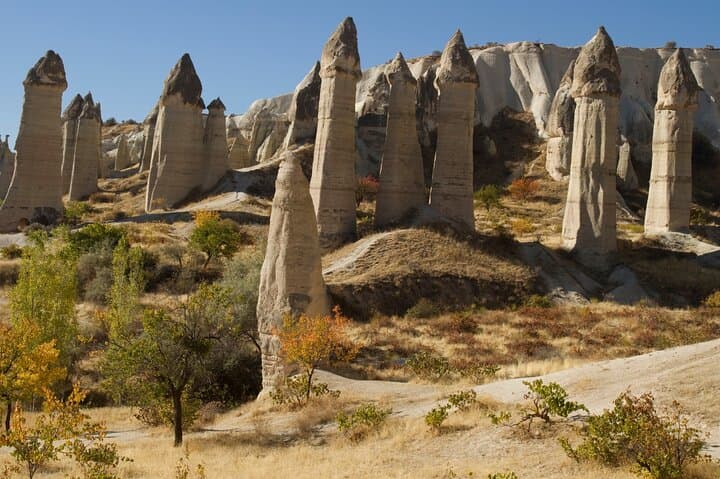
Zelve Open Air Museum unfolds as a neighborhood of rock-cut dwellings, where doorways and windows cut into honey-colored stone mark centuries of continuous use. Paşabağ’s iconic fairy chimneys stand like isolated monuments; villagers once sheltered sheep and storage in their fluted bases. At Uchisar Castle the region flattens and opens, a vantage that lets you see the patchwork of erosion and agriculture and the soft line of hills beyond.
The cultural thread runs through Avanos: the Kızılırmak River still delivers red clay to potters who work foot-powered wheels the same way their ancestors did. Lunch is included at a local restaurant, a useful pause to taste gözleme and stews and hear about weaving traditions that remain living crafts rather than mere displays for tourists.
Practicalities: the tour runs roughly 6–7 hours (375 minutes) with hotel pickup across Göreme and nearby towns, ending around 5:30 p.m. Groups are capped at about 12 people; museum entrances are included and transportation is air-conditioned. Expect uneven paths and stone steps—guides note that a high level of physical fitness is recommended for full participation.
Timing and gear make the difference. Aim for early pickup to avoid midday heat in summer and to catch the softer light for photography. Bring a refillable water bottle, sturdy shoes with good tread, sun protection and a light layer for variable canyon breezes. If mobility is a concern, check ahead—the tour lists wheelchair-accessible options but some sites have steep carved steps.
The Red Tour is compact and concentrated: a day that stitches geology, history and living craft into a readable route. For first-time visitors it’s a clear primer on Cappadocia’s forms and traditions; for repeat travelers, the route keeps offering small surprises—a hidden chapel, a potter’s personal glaze recipe, a slope of wildflowers pushing through the stone.
moderate.
6–7 hours.
You should be able to walk 2–4 miles over uneven ground and climb stone steps repeatedly.
The tour lasts about 6–7 hours (approximately 375 minutes), typically starting with morning hotel pickup and finishing around 5:30 p.m.
Yes—museum entrances and a local lunch are included in the full-day all-inclusive tour price.
Yes—pickup from Göreme and nearby hotels is included; enter your hotel details exactly when booking and expect pickup about 30 minutes before departure.
The tour is family-friendly but involves uneven terrain and steps; while some wheelchair-accessible options exist, confirm specifics with the operator before booking.
Hot air balloon rides are separate; many visitors book balloons for sunrise then join a daytime tour like the Red Tour—coordinate schedules carefully.
Comfortable walking shoes, sun protection, a refillable water bottle, and a light layer for temperature changes; in winter, bring a warm, waterproof jacket.
Cappadocia’s cave dwellings and underground cities were shaped by volcanic tuff and used continuously from Hittite and Byzantine times through the Ottoman period, blending strategic shelter with religious life.
Erosion management and visitor caps at sensitive sites help protect fragile rock formations; support local artisans and follow path signage to reduce impact.
Theory Tour operates guided outdoor trips and adventures with an emphasis on safety, stewardship, and memorable experiences.
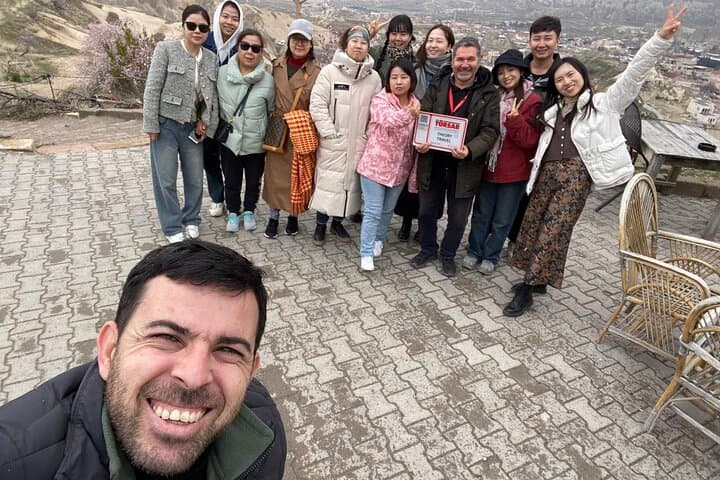
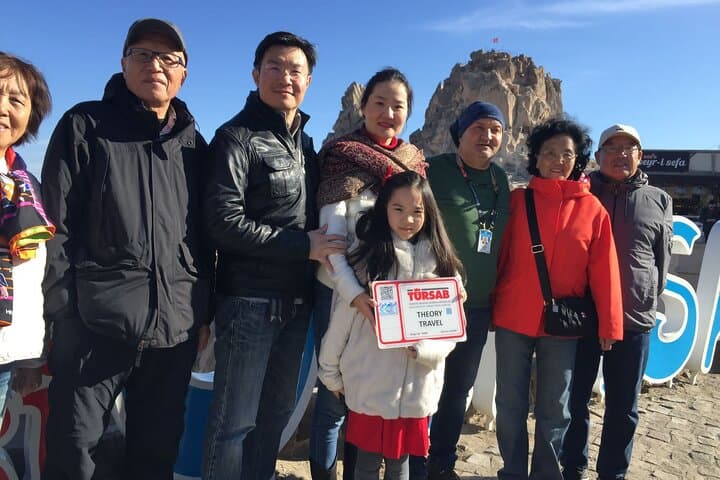
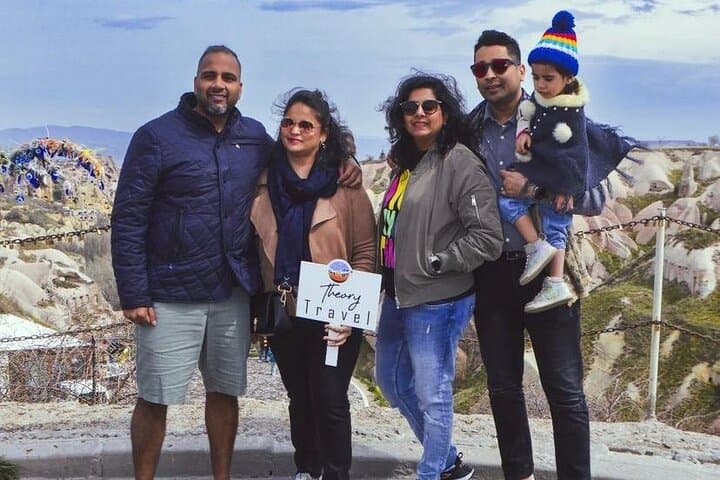
A pale sun lifts off the Anatolian plain and the bus slides through Göreme’s early light, carrying a dozen travelers toward rock that looks as if weather and imagination have been working on it for millennia. The Red Tour begins like a story told in stone: valleys that change color with the sun, chimneys that point like fingers toward the sky, and villages carved into their own geology.
A pale sun lifts off the Anatolian plain and the bus slides through Göreme’s early light, carrying a dozen travelers toward rock that looks as if weather and imagination have been working on it for millennia. The Red Tour begins like a story told in stone: valleys that change color with the sun, chimneys that point like fingers toward the sky, and villages carved into their own geology.
By mid-morning the guide leads the group into Dervent Valley, where the wind and volcanic ash once quarrelled with time to produce ridges and hoodoos that now invite interpretation. The narrative of Cappadocia is geological first—tuff deposited from ancient eruptions, then carved by rain and frost into towers, cones and cave networks—and human second: Byzantine monks, Seljuk travelers, and Ottoman craftspeople turning caves into churches, homes and workshops.
Zelve Open Air Museum unfolds as a neighborhood of rock-cut dwellings, where doorways and windows cut into honey-colored stone mark centuries of continuous use. Paşabağ’s iconic fairy chimneys stand like isolated monuments; villagers once sheltered sheep and storage in their fluted bases. At Uchisar Castle the region flattens and opens, a vantage that lets you see the patchwork of erosion and agriculture and the soft line of hills beyond.
The cultural thread runs through Avanos: the Kızılırmak River still delivers red clay to potters who work foot-powered wheels the same way their ancestors did. Lunch is included at a local restaurant, a useful pause to taste gözleme and stews and hear about weaving traditions that remain living crafts rather than mere displays for tourists.
Practicalities: the tour runs roughly 6–7 hours (375 minutes) with hotel pickup across Göreme and nearby towns, ending around 5:30 p.m. Groups are capped at about 12 people; museum entrances are included and transportation is air-conditioned. Expect uneven paths and stone steps—guides note that a high level of physical fitness is recommended for full participation.
Timing and gear make the difference. Aim for early pickup to avoid midday heat in summer and to catch the softer light for photography. Bring a refillable water bottle, sturdy shoes with good tread, sun protection and a light layer for variable canyon breezes. If mobility is a concern, check ahead—the tour lists wheelchair-accessible options but some sites have steep carved steps.
The Red Tour is compact and concentrated: a day that stitches geology, history and living craft into a readable route. For first-time visitors it’s a clear primer on Cappadocia’s forms and traditions; for repeat travelers, the route keeps offering small surprises—a hidden chapel, a potter’s personal glaze recipe, a slope of wildflowers pushing through the stone.