THE ADVENTURE COLLECTIVE® · Independent discovery and booking for outdoor travel

Spend a small-group day moving through Cappadocia’s northern valleys—Uçhisar’s summit views, Goreme’s cave churches, Pasabagi chimneys, Avanos pottery—with lunch and hotel pickup included. This full-day Red Tour blends geology, history, and hands-on craft in a practical, photo-ready itinerary.
Spend a small-group day moving through Cappadocia’s northern valleys—Uçhisar’s summit views, Goreme’s cave churches, Pasabagi chimneys, Avanos pottery—with lunch and hotel pickup included. This full-day Red Tour blends geology, history, and hands-on craft in a practical, photo-ready itinerary.
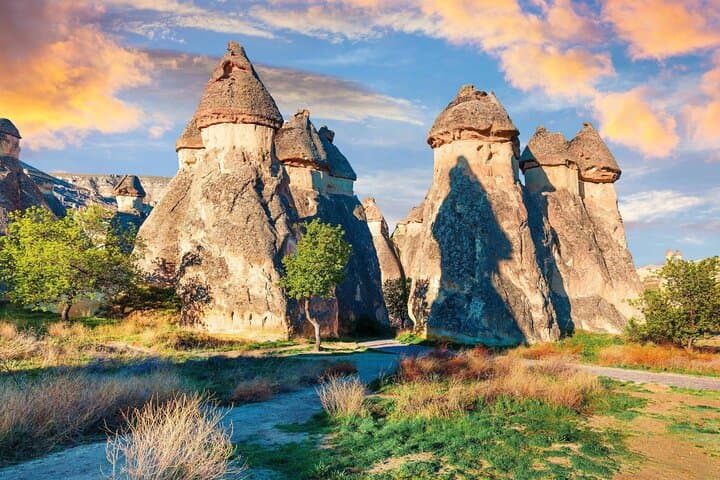
Morning light slides across the moonscape and the coach eases out of Göreme as the guide checks names and stacks maps. Windows frame spires of tuff—fairy chimneys that rise like weathered sentries—while the road climbs toward Uçhisar, the highest perch in Cappadocia. On a good day the wind seems to push you toward the view; on others the rocks hold their silence, patient as they have been for millennia.
Verified experiences and guided adventures in the surrounding area.
Operated by Tour Point · Göreme, Nevşehir
Morning light slides across the moonscape and the coach eases out of Göreme as the guide checks names and stacks maps. Windows frame spires of tuff—fairy chimneys that rise like weathered sentries—while the road climbs toward Uçhisar, the highest perch in Cappadocia. On a good day the wind seems to push you toward the view; on others the rocks hold their silence, patient as they have been for millennia.
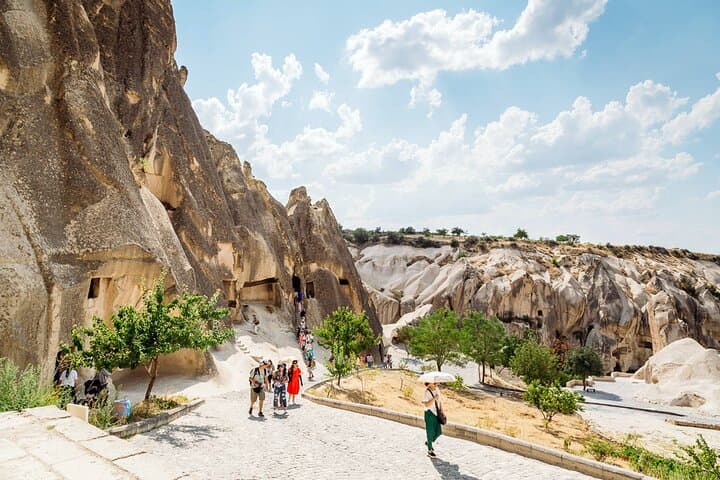
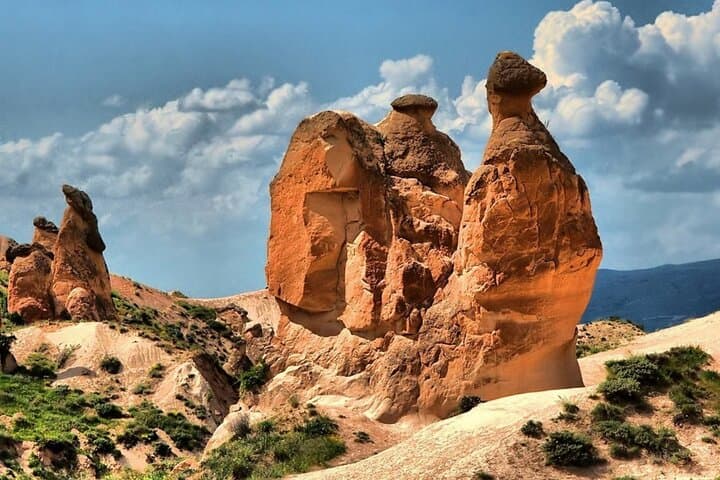
The Red Tour threads together the north-side essentials: Uçhisar Castle for a 360° panorama, the Goreme Open-Air Museum with its rock-cut monasteries and Byzantine frescoes, Pasabagi (Monks Valley) where a chapel is hewn into a chimney, Devrent’s imaginative forms, a hands-on pottery stop in Avanos, and the iconic chimneys of Ürgüp. Geologically, these shapes are the result of volcanic ash (tuff) laid down after ancient eruptions and then sculpted by wind and water—soft stone that invites human carving and relentless erosion alike.
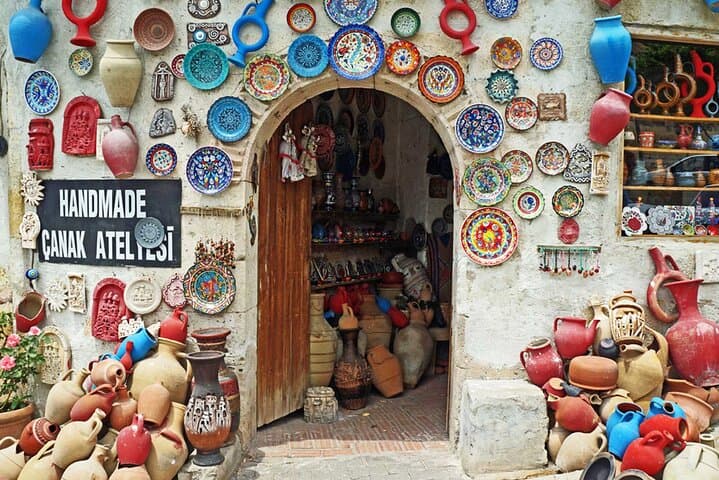
Culturally the region is layered: Hittite presence, early Christian monastics who painted fragile frescoes inside cave churches, and a long pottery tradition in Avanos fed by the red clay of the Kızılırmak River. Local guides lend that context on the road between stops, translating geology into the language of daily life—why a valley was chosen for a monastery, or how water and trade shaped the town centers.
Practicalities are straightforward. Expect a 6–7 hour excursion with hotel pickup included (the operator asks to be ready ~45 minutes before departure). The tour moves by comfortable bus in a small group (up to 14), with a lunch break included; entrance fees to museums and some attractions are typically not included, so carry a credit card or cash. Terrain is mixed: paved roads, short staircases, and uneven dirt trails—comfortable walking shoes and basic mobility are required. Photography is rewarding but respectful: frescoes are fragile and many sites restrict flash.
For travelers eyeing a balanced day—culture, geology, craft, and sweeping views—the Red Tour is efficient and informative. Bring sun protection and a reusable water bottle, charge your camera, and leave room in your bag for a small pottery purchase from Avanos. If you want quieter moments, ask your guide about swapping a bus stop for a short walk into the back alleys of Uçhisar; the tall chimneys will still be waiting.
moderate.
6–7 hours.
Moderate fitness—able to walk short distances over uneven ground and climb stairs repeatedly throughout the day.
Entrance fees are typically not included—check your booking details and bring a card or cash for admissions.
The tour runs about 6–7 hours; pickup begins in the morning and operators request guests be ready roughly 45 minutes before departure.
Infants must sit on laps; the operator notes the tour is not recommended for pregnant travelers or those with serious back or heart conditions due to stairs and some uneven walking.
Lunch is included in the tour price—ask about dietary restrictions when booking so the operator can arrange alternatives if possible.
Yes—Avanos features working pottery studios where you can watch demonstrations and purchase handmade pieces; prices vary and haggling is uncommon.
This is a small-group tour with a maximum of 14 travelers, which keeps stops manageable and allows more personal time at attractions.
Cappadocia’s cave churches and frescoes date to Byzantine monastic communities who carved sanctuaries into soft tuff; the region’s shape comes from ash deposits from ancient volcanoes sculpted by erosion.
Stay on marked paths to protect fragile tuff formations and painted interiors; avoid touching frescoes and support local artisans by choosing responsibly made souvenirs.
Tour Point operates guided outdoor trips and adventures with an emphasis on safety, stewardship, and memorable experiences.
Morning light slides across the moonscape and the coach eases out of Göreme as the guide checks names and stacks maps. Windows frame spires of tuff—fairy chimneys that rise like weathered sentries—while the road climbs toward Uçhisar, the highest perch in Cappadocia. On a good day the wind seems to push you toward the view; on others the rocks hold their silence, patient as they have been for millennia.
Morning light slides across the moonscape and the coach eases out of Göreme as the guide checks names and stacks maps. Windows frame spires of tuff—fairy chimneys that rise like weathered sentries—while the road climbs toward Uçhisar, the highest perch in Cappadocia. On a good day the wind seems to push you toward the view; on others the rocks hold their silence, patient as they have been for millennia.
The Red Tour threads together the north-side essentials: Uçhisar Castle for a 360° panorama, the Goreme Open-Air Museum with its rock-cut monasteries and Byzantine frescoes, Pasabagi (Monks Valley) where a chapel is hewn into a chimney, Devrent’s imaginative forms, a hands-on pottery stop in Avanos, and the iconic chimneys of Ürgüp. Geologically, these shapes are the result of volcanic ash (tuff) laid down after ancient eruptions and then sculpted by wind and water—soft stone that invites human carving and relentless erosion alike.
Culturally the region is layered: Hittite presence, early Christian monastics who painted fragile frescoes inside cave churches, and a long pottery tradition in Avanos fed by the red clay of the Kızılırmak River. Local guides lend that context on the road between stops, translating geology into the language of daily life—why a valley was chosen for a monastery, or how water and trade shaped the town centers.
Practicalities are straightforward. Expect a 6–7 hour excursion with hotel pickup included (the operator asks to be ready ~45 minutes before departure). The tour moves by comfortable bus in a small group (up to 14), with a lunch break included; entrance fees to museums and some attractions are typically not included, so carry a credit card or cash. Terrain is mixed: paved roads, short staircases, and uneven dirt trails—comfortable walking shoes and basic mobility are required. Photography is rewarding but respectful: frescoes are fragile and many sites restrict flash.
For travelers eyeing a balanced day—culture, geology, craft, and sweeping views—the Red Tour is efficient and informative. Bring sun protection and a reusable water bottle, charge your camera, and leave room in your bag for a small pottery purchase from Avanos. If you want quieter moments, ask your guide about swapping a bus stop for a short walk into the back alleys of Uçhisar; the tall chimneys will still be waiting.