THE ADVENTURE COLLECTIVE® · Independent discovery and booking for outdoor travel

Spend a half-day tracing Cappadocia’s most iconic formations with a guide — climb Uçhisar Castle, wander cave churches in Çavuşin, try pottery in Avanos and stroll among Paşabağı’s fairy chimneys. This practical tour packs geology, history and hands-on craft into one accessible outing.
Spend a half-day tracing Cappadocia’s most iconic formations with a guide — climb Uçhisar Castle, wander cave churches in Çavuşin, try pottery in Avanos and stroll among Paşabağı’s fairy chimneys. This practical tour packs geology, history and hands-on craft into one accessible outing.
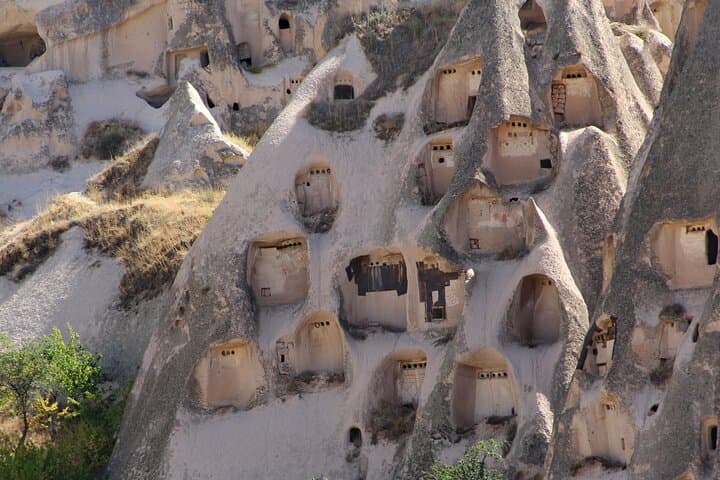
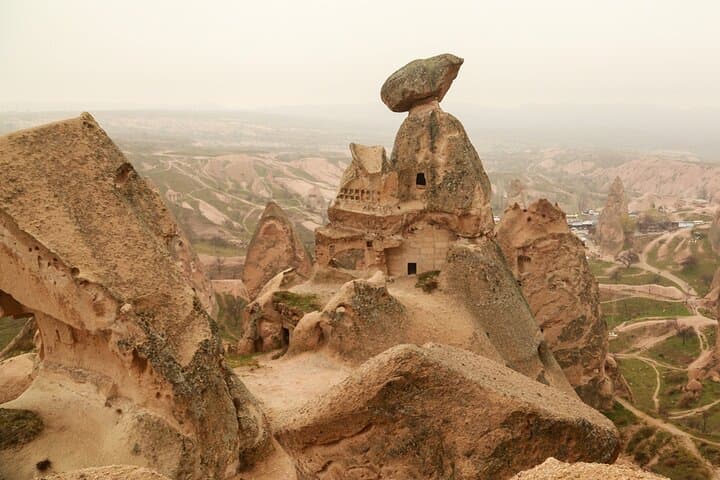
The minivan eases onto a dirt shoulder and the valley opens like a page torn from another era — sharp pinnacles, soft-brushed ridgelines and caves cut into ochre rock. Travelers step down into a landscape shaped by volcanic ash and centuries of human hands; the guide points up at Uçhisar Castle, a hulking maze of rooms and tunnels carved into a volcanic outcrop, and the group spreads out, murmuring as wings of pigeons scatter from ledges.
Verified experiences and guided adventures in the surrounding area.
Operated by Tabi Cappadocia Tours & Travel · Göreme, Nevşehir Province
The minivan eases onto a dirt shoulder and the valley opens like a page torn from another era — sharp pinnacles, soft-brushed ridgelines and caves cut into ochre rock. Travelers step down into a landscape shaped by volcanic ash and centuries of human hands; the guide points up at Uçhisar Castle, a hulking maze of rooms and tunnels carved into a volcanic outcrop, and the group spreads out, murmuring as wings of pigeons scatter from ledges.
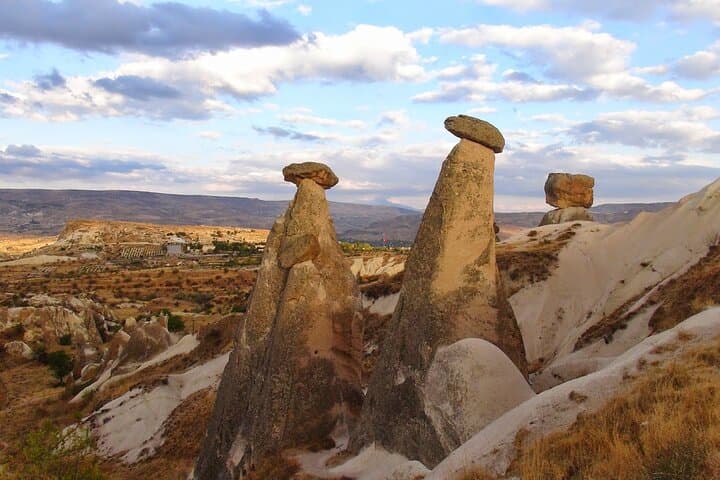
This full-day Red-North route moves through Cappadocia’s signature scenes: the climb to Uchisar’s summit for sweeping panoramas, the ghost streets of Çavuşin with their hollowed houses and ruined churches, a pottery demonstration beside the Kızılırmak in Avanos, and the fairy chimneys of Paşabağı and Devrent’s sculpted rocks. Geologically, the region is young — layers of tuff and ignimbrite deposited after nearby eruptions were sculpted by wind and rain into the cones and chimneys visitors now photograph. Culturally, the same softness of stone that allowed nature’s artistry supported early Christians who hollowed sanctuaries and painted frescoes in places like Zelve and Çavuşin.
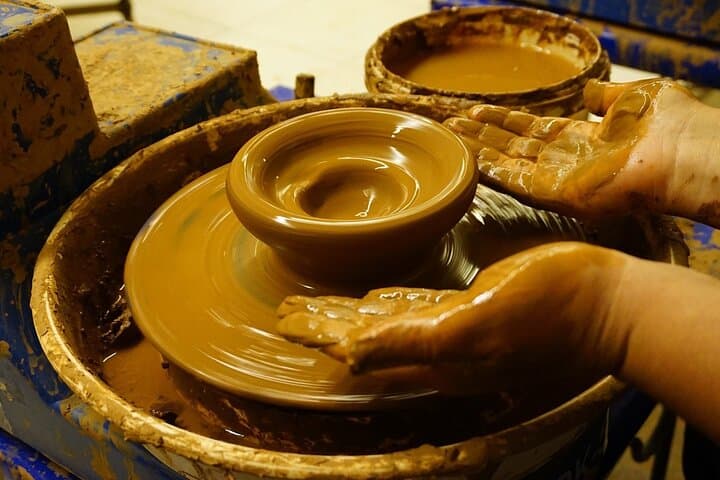
Local life still threads through the tour: Avanos potters turn clay from the Red River on underground wheels exactly where Hittite artisans once worked; tea gardens and small stalls sell dried fruits and hand-glazed ceramics. The route balances short walks and viewpoints with seated time — a buffet lunch in Avanos and a stop at a family-run pottery workshop where visitors can try the wheel.
For planning, expect a 5–6 hour outing with hotel pickup (confirm your pickup point after booking). The walking segments are short — plan on 2–4 km of easy-to-moderate walking across uneven ground, and a steeper scramble of roughly 80–120 vertical meters at Uchisar’s peak (stairways and carved steps). Good walking shoes, sun protection, and a reusable water bottle will make the day more comfortable. The itinerary suits most fitness levels but includes uneven rock surfaces and some low, narrow cave passages — modest clothing is recommended for church interiors.
Photographers should time visits for early morning or late afternoon to catch side-light across the chimneys; the sites get busiest mid-morning and around mid-day. Book in advance during high season to secure your spot on small-group departures (max ~14). Finally, respect fragile frescoes and erosion-prone slopes: stay on marked paths, and leave the stone untouched — Cappadocia’s shapes have taken millennia, and they’re easier to lose than to rebuild.
easy.
5–6 hours.
Suitable for most travelers who can handle 2–4 km of walking on uneven ground and short stair climbs; no sustained cardio required.
The tour runs about 5–6 hours from hotel pickup to drop-off, including stops and a buffet lunch in Avanos.
Yes — entrance fees for listed sites and the buffet lunch in Avanos are included in the tour price.
Expect short walks at each stop (total roughly 2–4 km) with one steeper climb to the top of Uçhisar Castle via carved steps.
Yes — the operator offers door-to-door pickup; you’ll be asked to confirm your pickup location after booking and should be ready about 30 minutes before departure time.
Many cave churches at Zelve and Çavuşin are accessible, but some areas are fragile; follow the guide’s instructions and avoid touching frescoes.
Yes — the tour is family-friendly, though parents should supervise children on uneven terrain and stairways.
Cappadocia’s cave dwellings and frescoed churches date largely from Byzantine and medieval periods; the area’s soft tuff made both shelter and artistic expression possible for centuries.
Erosion and visitor wear are ongoing concerns — stick to marked paths, avoid touching frescoes and support local artisans to keep heritage economies viable.
Tabi Cappadocia Tours & Travel operates guided outdoor trips and adventures with an emphasis on safety, stewardship, and memorable experiences.
The minivan eases onto a dirt shoulder and the valley opens like a page torn from another era — sharp pinnacles, soft-brushed ridgelines and caves cut into ochre rock. Travelers step down into a landscape shaped by volcanic ash and centuries of human hands; the guide points up at Uçhisar Castle, a hulking maze of rooms and tunnels carved into a volcanic outcrop, and the group spreads out, murmuring as wings of pigeons scatter from ledges.
The minivan eases onto a dirt shoulder and the valley opens like a page torn from another era — sharp pinnacles, soft-brushed ridgelines and caves cut into ochre rock. Travelers step down into a landscape shaped by volcanic ash and centuries of human hands; the guide points up at Uçhisar Castle, a hulking maze of rooms and tunnels carved into a volcanic outcrop, and the group spreads out, murmuring as wings of pigeons scatter from ledges.
This full-day Red-North route moves through Cappadocia’s signature scenes: the climb to Uchisar’s summit for sweeping panoramas, the ghost streets of Çavuşin with their hollowed houses and ruined churches, a pottery demonstration beside the Kızılırmak in Avanos, and the fairy chimneys of Paşabağı and Devrent’s sculpted rocks. Geologically, the region is young — layers of tuff and ignimbrite deposited after nearby eruptions were sculpted by wind and rain into the cones and chimneys visitors now photograph. Culturally, the same softness of stone that allowed nature’s artistry supported early Christians who hollowed sanctuaries and painted frescoes in places like Zelve and Çavuşin.
Local life still threads through the tour: Avanos potters turn clay from the Red River on underground wheels exactly where Hittite artisans once worked; tea gardens and small stalls sell dried fruits and hand-glazed ceramics. The route balances short walks and viewpoints with seated time — a buffet lunch in Avanos and a stop at a family-run pottery workshop where visitors can try the wheel.
For planning, expect a 5–6 hour outing with hotel pickup (confirm your pickup point after booking). The walking segments are short — plan on 2–4 km of easy-to-moderate walking across uneven ground, and a steeper scramble of roughly 80–120 vertical meters at Uchisar’s peak (stairways and carved steps). Good walking shoes, sun protection, and a reusable water bottle will make the day more comfortable. The itinerary suits most fitness levels but includes uneven rock surfaces and some low, narrow cave passages — modest clothing is recommended for church interiors.
Photographers should time visits for early morning or late afternoon to catch side-light across the chimneys; the sites get busiest mid-morning and around mid-day. Book in advance during high season to secure your spot on small-group departures (max ~14). Finally, respect fragile frescoes and erosion-prone slopes: stay on marked paths, and leave the stone untouched — Cappadocia’s shapes have taken millennia, and they’re easier to lose than to rebuild.