THE ADVENTURE COLLECTIVE® · Independent discovery and booking for outdoor travel

A full-day private tour through Cappadocia’s otherworldly valleys and historical cave sites. Personalized guides, hotel pickup and an air-conditioned vehicle make it easy to explore Göreme, Uçhisar and Avanos at a thoughtful pace.
A full-day private tour through Cappadocia’s otherworldly valleys and historical cave sites. Personalized guides, hotel pickup and an air-conditioned vehicle make it easy to explore Göreme, Uçhisar and Avanos at a thoughtful pace.
The day begins before the sky fully brightens: a private vehicle threads quiet lanes, pulling away from a Göreme hotel while the chimneys and cave-roofs read like a map of a different era. The guide speaks softly about lava, wind and people as the sun finds the valley rims; by the time the doors open you step into a landscape that still seems to be arranging itself — columns of tuff rising like weathered sculptures, narrow gullies stitching the high plateaus to the valleys below.
Verified experiences and guided adventures in the surrounding area.
Operated by First Temple Travel Agency · Göreme, Nevşehir
The day begins before the sky fully brightens: a private vehicle threads quiet lanes, pulling away from a Göreme hotel while the chimneys and cave-roofs read like a map of a different era. The guide speaks softly about lava, wind and people as the sun finds the valley rims; by the time the doors open you step into a landscape that still seems to be arranging itself — columns of tuff rising like weathered sculptures, narrow gullies stitching the high plateaus to the valleys below.
Cappadocia’s story is geological as much as human. Around 50 million years ago an inland sea gave way to ash and lava from nearby volcanoes. Over millennia, rain and river, then wind, carved that soft tuff into fairy chimneys, cones and hoodoos. Human hands followed: Hittites first, then Roman and Byzantine populations, carved homes, churches and pigeonholes into the same stone that the wind shaped. Avanos keeps an older craft alive; its pottery tradition traces back to Hittite workshops and the clay of the Kızılırmak.
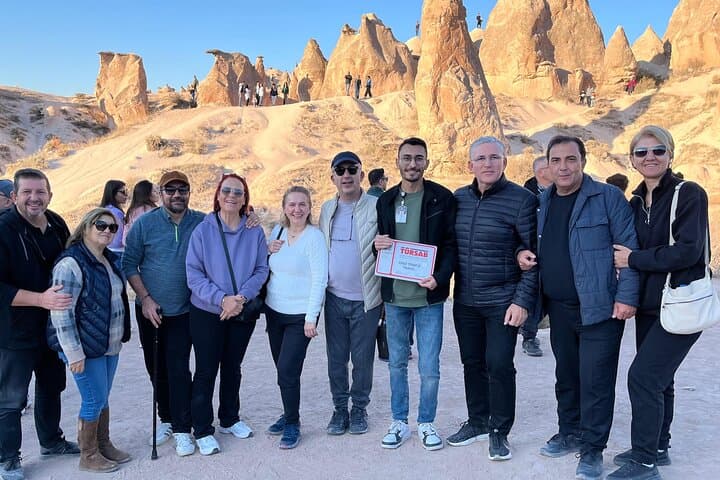
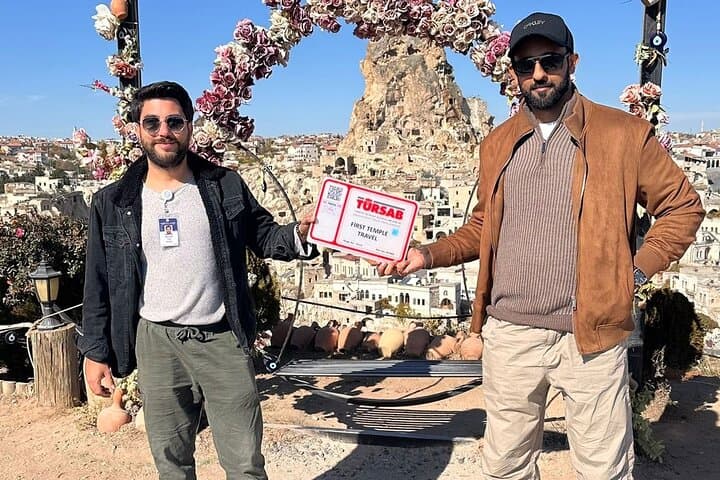
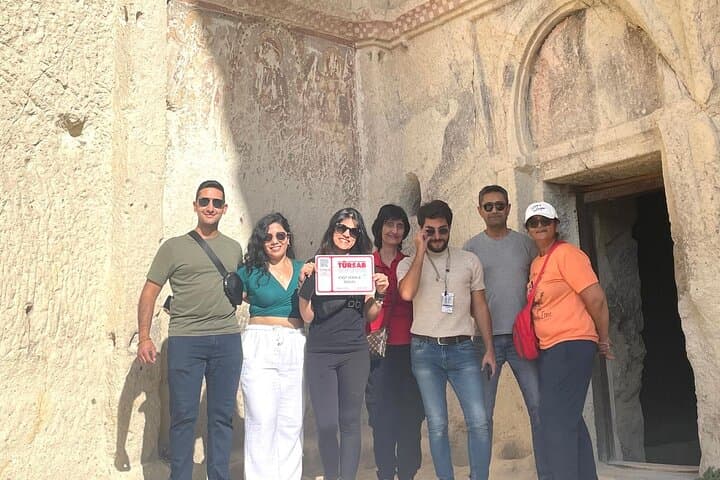
A private tour makes those layers readable. Stops typically include Devrent (Imaginary) Valley for odd shapes that invite pareidolia; Avanos for a pottery demonstration and market stroll; Paşabağ (Monk’s Valley) for mushroom-capped chimneys; the panoramic lookout at Uçhisar Castle; and Göreme Open Air Museum’s cave churches, where frescoes hold Byzantine stories in ochre and lapis.
Practicality grounds the romance. Expect 8 hours on the road and on easy-to-moderate walking trails with uneven surfaces and short stone staircases. The operator provides hotel pickup and drop-off in an air-conditioned vehicle and bottled water — basics that matter when midday heat or winter winds arrive. Entrance to the Göreme Open Air Museum is included via guide-assisted ticketing for most tours; balloon flights are not part of this itinerary and happen before dawn independently.
For planning: wear sturdy shoes, bring sun protection and layers, and budget cash for tips, small purchases and local ceramics. Morning light is best for photos and to avoid the larger tour groups that arrive after 10:00. If you want a slower experience, tell the provider in advance: private tours can reallocate time, linger at viewpoints or add a pottery workshop.
This is a day for seeing how rock, climate and history co-authored a place, and for leaving a footprint that’s small and well-informed.
moderate.
8 hours.
Expect several short walks over uneven ground and steps; a moderate level of mobility and stamina is recommended.
This private tour runs approximately 8 hours with hotel pickup and drop-off included.
Guide-assisted tickets and museum entry are typically handled during the tour; confirm with the operator at booking.
No — balloon flights operate independently at dawn; the tour visits viewpoints later in the morning.
Yes — the private format allows adjustment of stops and timing based on interests and mobility; request changes when booking.
Infants and small children are allowed; infant seats and stroller access may be accommodated but check specifics when you book.
Language options vary by operator; most offer guides in English and often in other major European languages — confirm availability on booking.
Cappadocia’s cave dwellings and churches span Hittite, Roman and Byzantine eras; many sites were later adapted by Christian monastic communities.
Erosion from foot traffic and unregulated climbing threatens soft tuff; follow marked paths and support local conservation-minded guides and licensed workshops.
First Temple Travel Agency operates guided outdoor trips and adventures with an emphasis on safety, stewardship, and memorable experiences.
The day begins before the sky fully brightens: a private vehicle threads quiet lanes, pulling away from a Göreme hotel while the chimneys and cave-roofs read like a map of a different era. The guide speaks softly about lava, wind and people as the sun finds the valley rims; by the time the doors open you step into a landscape that still seems to be arranging itself — columns of tuff rising like weathered sculptures, narrow gullies stitching the high plateaus to the valleys below.
The day begins before the sky fully brightens: a private vehicle threads quiet lanes, pulling away from a Göreme hotel while the chimneys and cave-roofs read like a map of a different era. The guide speaks softly about lava, wind and people as the sun finds the valley rims; by the time the doors open you step into a landscape that still seems to be arranging itself — columns of tuff rising like weathered sculptures, narrow gullies stitching the high plateaus to the valleys below.
Cappadocia’s story is geological as much as human. Around 50 million years ago an inland sea gave way to ash and lava from nearby volcanoes. Over millennia, rain and river, then wind, carved that soft tuff into fairy chimneys, cones and hoodoos. Human hands followed: Hittites first, then Roman and Byzantine populations, carved homes, churches and pigeonholes into the same stone that the wind shaped. Avanos keeps an older craft alive; its pottery tradition traces back to Hittite workshops and the clay of the Kızılırmak.
A private tour makes those layers readable. Stops typically include Devrent (Imaginary) Valley for odd shapes that invite pareidolia; Avanos for a pottery demonstration and market stroll; Paşabağ (Monk’s Valley) for mushroom-capped chimneys; the panoramic lookout at Uçhisar Castle; and Göreme Open Air Museum’s cave churches, where frescoes hold Byzantine stories in ochre and lapis.
Practicality grounds the romance. Expect 8 hours on the road and on easy-to-moderate walking trails with uneven surfaces and short stone staircases. The operator provides hotel pickup and drop-off in an air-conditioned vehicle and bottled water — basics that matter when midday heat or winter winds arrive. Entrance to the Göreme Open Air Museum is included via guide-assisted ticketing for most tours; balloon flights are not part of this itinerary and happen before dawn independently.
For planning: wear sturdy shoes, bring sun protection and layers, and budget cash for tips, small purchases and local ceramics. Morning light is best for photos and to avoid the larger tour groups that arrive after 10:00. If you want a slower experience, tell the provider in advance: private tours can reallocate time, linger at viewpoints or add a pottery workshop.
This is a day for seeing how rock, climate and history co-authored a place, and for leaving a footprint that’s small and well-informed.