THE ADVENTURE COLLECTIVE® · Independent discovery and booking for outdoor travel

Skip the crowded coach tours and let a local guide lead you through Cappadocia’s fairy chimneys, underground cities, and Avanos potteries on a private 1- or 2-day itinerary. Perfect for travelers who want context, flexibility, and close-up access to the region’s geology and culture.
Skip the crowded coach tours and let a local guide lead you through Cappadocia’s fairy chimneys, underground cities, and Avanos potteries on a private 1- or 2-day itinerary. Perfect for travelers who want context, flexibility, and close-up access to the region’s geology and culture.
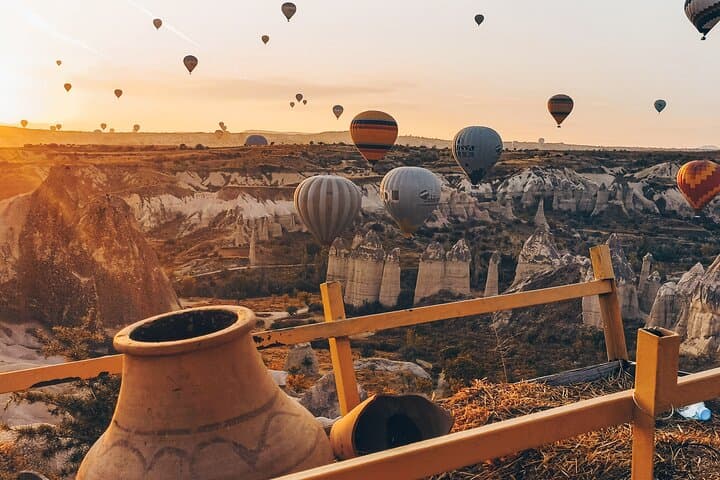
You step out of your hotel into a cool, alabaster morning and the road already feels older than the map in your pocket. The minivan idles, the guide checks names, and within minutes the volcanic ridges of Cappadocia swell into view—honey-colored valleys cleaved by time, cones and chimneys pointing like carved fingers at the sky.
Verified experiences and guided adventures in the surrounding area.
Operated by BEST TURKEY TOUR · Göreme, Nevşehir
You step out of your hotel into a cool, alabaster morning and the road already feels older than the map in your pocket. The minivan idles, the guide checks names, and within minutes the volcanic ridges of Cappadocia swell into view—honey-colored valleys cleaved by time, cones and chimneys pointing like carved fingers at the sky.
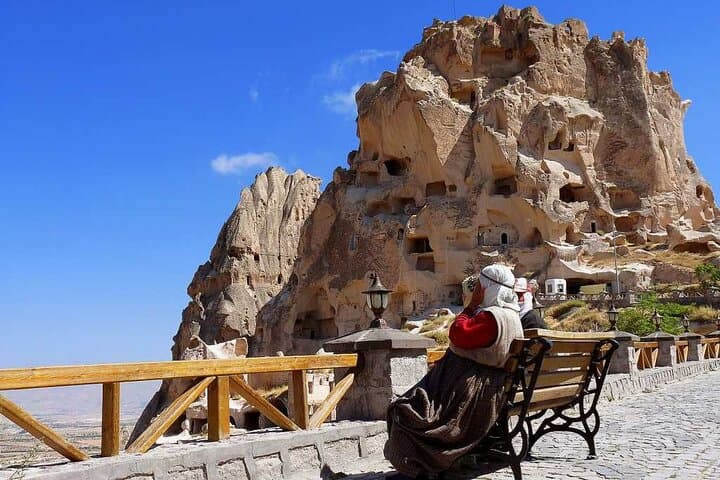
This private 1- or 2-day tour condenses the region’s deep history and strange geology into a paced, personal itinerary. The narrative begins above ground at Göreme Open-Air Museum: Byzantine monks hollowed churches into soft tuff and painted frescoes whose pigments survive beneath centuries of dust. From there the route threads through Devrent’s lunar fields and the sculpted pillars of Paşabağ and Zelve, where wind and winter rains have shaped the fairy chimneys into stacked hats and spires.
Below the surface the story shifts. Kaymaklı and Özkonak underground cities are engineered refuge—multi-level labyrinths with stables, kitchens, and clever ventilation shafts. These subterranean towns shelter a long human habit of adapting to extremes: Hittites, early Christians, and later villagers all used the caves as shelter from invaders and brutal winters.
Avanos brings a different human rhythm. Here, the Kızılırmak (Red River) deposits clay that generations of potters have thrown, painted, and fired in wood-burning kilns. A family-run workshop—often in a cave—turns mud and motion into vessels; watching a master’s wheel is a reminder that this landscape has always supported craftspeople as much as it has inspired pilgrims.
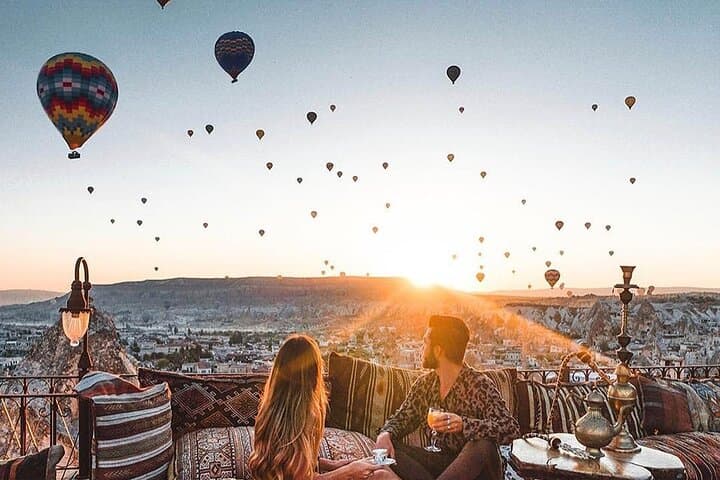
Practical guidance is part of the pleasure. The private format means hotel pickup across Göreme, Avanos, Uçhisar, Ürgüp, Ortahisar, and a flexible pace—expect light-to-moderate walking, short climbs to viewpoints, and time for pottery demos and photo stops. Entrance fees to museums and underground cities are typically extra; if you want a balloon flight, book separately for sunrise hours.
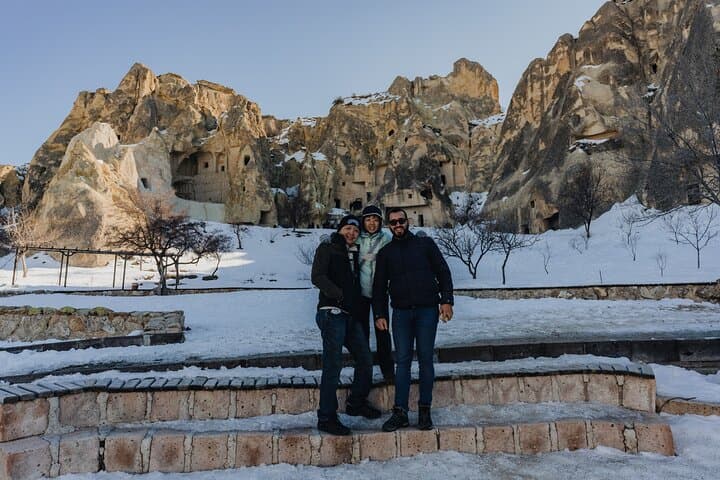
Bring sturdy shoes, sun protection, and a small pack for water and camera gear. In spring and fall, the light is crisp and miles of rock glow; summer delivers harsher sun but longer evenings; winter turns the valleys frosted and quiet. Respect the fragile rock surfaces, stick to marked paths in the open-air sites, and favor local guides—many are descendants of families who read this landscape like a map.
Whether you pick a compact day tour or spread the route over two days, this private experience trades the bustle of bus lines for a clearer window into Cappadocia’s layered past: volcanic ash made soft stone, people carved their lives from it, and today that human scale is the best way to understand one of Turkey’s most unusual regions.
easy.
4–6 hours (per day option).
Suitable for travelers with basic mobility; involves short walks, steps, and light scrambling at viewpoints.
No—entrance to Göreme Open-Air Museum and underground cities is usually paid on-site; bring cash or card.
Airport transfer can be arranged for an additional fee—indicate your arrival details when booking.
Yes—this private tour notes stroller accessibility, but some sites have steps where carriers are easier than full-size strollers.
Balloon flights run at sunrise and must be booked separately; the private tour typically begins later in the morning.
Very—this is a private tour so timing and site choices can be adjusted to your interests and mobility level.
Tipping is appreciated; 10–15% of the tour price or a modest cash tip to each (guide/driver) is customary.
Cappadocia’s soft tuff was formed by volcanic ash from ancient eruptions; Hittites and later Byzantine communities carved dwellings and churches into the stone.
Erosion and visitor traffic stress fragile rock formations and frescoes—follow marked paths, avoid touching frescoes, and support local conservation efforts.
BEST TURKEY TOUR operates guided outdoor trips and adventures with an emphasis on safety, stewardship, and memorable experiences.
You step out of your hotel into a cool, alabaster morning and the road already feels older than the map in your pocket. The minivan idles, the guide checks names, and within minutes the volcanic ridges of Cappadocia swell into view—honey-colored valleys cleaved by time, cones and chimneys pointing like carved fingers at the sky.
You step out of your hotel into a cool, alabaster morning and the road already feels older than the map in your pocket. The minivan idles, the guide checks names, and within minutes the volcanic ridges of Cappadocia swell into view—honey-colored valleys cleaved by time, cones and chimneys pointing like carved fingers at the sky.
This private 1- or 2-day tour condenses the region’s deep history and strange geology into a paced, personal itinerary. The narrative begins above ground at Göreme Open-Air Museum: Byzantine monks hollowed churches into soft tuff and painted frescoes whose pigments survive beneath centuries of dust. From there the route threads through Devrent’s lunar fields and the sculpted pillars of Paşabağ and Zelve, where wind and winter rains have shaped the fairy chimneys into stacked hats and spires.
Below the surface the story shifts. Kaymaklı and Özkonak underground cities are engineered refuge—multi-level labyrinths with stables, kitchens, and clever ventilation shafts. These subterranean towns shelter a long human habit of adapting to extremes: Hittites, early Christians, and later villagers all used the caves as shelter from invaders and brutal winters.
Avanos brings a different human rhythm. Here, the Kızılırmak (Red River) deposits clay that generations of potters have thrown, painted, and fired in wood-burning kilns. A family-run workshop—often in a cave—turns mud and motion into vessels; watching a master’s wheel is a reminder that this landscape has always supported craftspeople as much as it has inspired pilgrims.
Practical guidance is part of the pleasure. The private format means hotel pickup across Göreme, Avanos, Uçhisar, Ürgüp, Ortahisar, and a flexible pace—expect light-to-moderate walking, short climbs to viewpoints, and time for pottery demos and photo stops. Entrance fees to museums and underground cities are typically extra; if you want a balloon flight, book separately for sunrise hours.
Bring sturdy shoes, sun protection, and a small pack for water and camera gear. In spring and fall, the light is crisp and miles of rock glow; summer delivers harsher sun but longer evenings; winter turns the valleys frosted and quiet. Respect the fragile rock surfaces, stick to marked paths in the open-air sites, and favor local guides—many are descendants of families who read this landscape like a map.
Whether you pick a compact day tour or spread the route over two days, this private experience trades the bustle of bus lines for a clearer window into Cappadocia’s layered past: volcanic ash made soft stone, people carved their lives from it, and today that human scale is the best way to understand one of Turkey’s most unusual regions.