THE ADVENTURE COLLECTIVE® · Independent discovery and booking for outdoor travel

Explore Cappadocia’s otherworldly valleys with a private guide and driver—walk between fairy chimneys, watch Avanos potters at the river, and visit Zelve’s caverned monastery sites. This practical half-day loop combines geology, early-Christian history and hands-on culture.
Explore Cappadocia’s otherworldly valleys with a private guide and driver—walk between fairy chimneys, watch Avanos potters at the river, and visit Zelve’s caverned monastery sites. This practical half-day loop combines geology, early-Christian history and hands-on culture.
Early morning in Cappadocia feels like stepping into a landscape that refuses to behave like ordinary ground—soft, wind-sculpted pillars rise from the valley floor, and the cool air carries the dry smell of volcanic ash and clay.
Verified experiences and guided adventures in the surrounding area.
Operated by Cappadocia Balloon Travel · Göreme, Nevşehir Province
Early morning in Cappadocia feels like stepping into a landscape that refuses to behave like ordinary ground—soft, wind-sculpted pillars rise from the valley floor, and the cool air carries the dry smell of volcanic ash and clay.
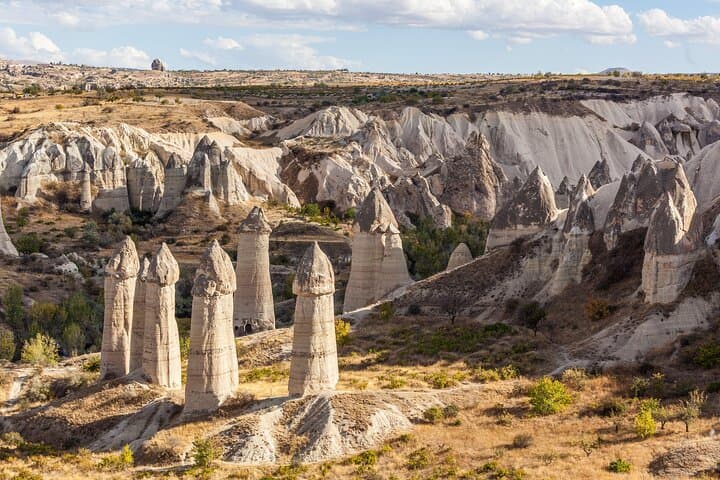
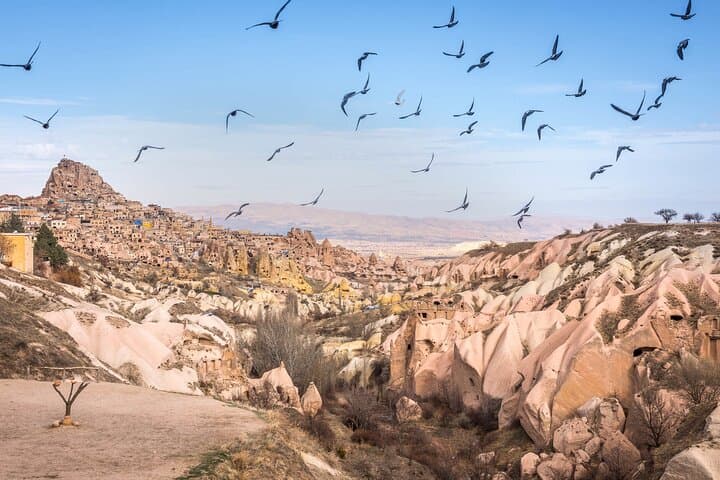
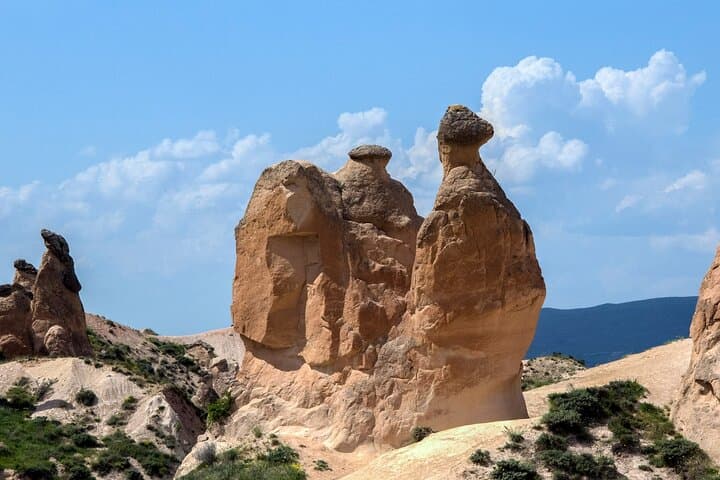
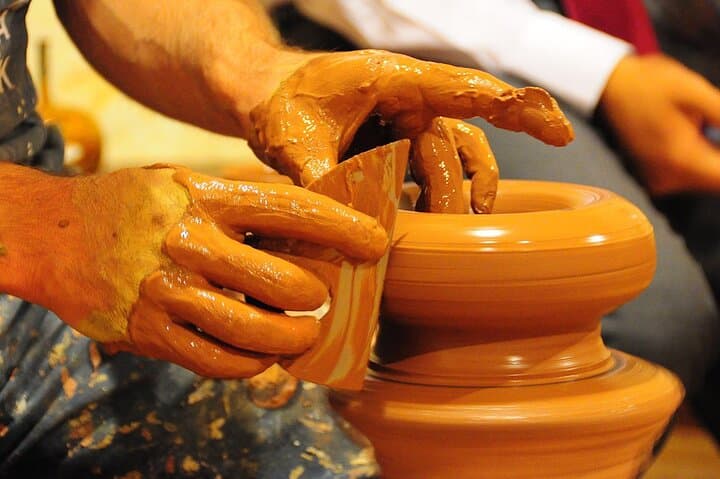
A private guide and driver leads you from the panorama above Göreme into Love Valley’s phallic tuff columns, across the mud-banked Kızılırmak in Avanos where potters still throw on ancient red clay, and into Zelve and Paşabağı where multi-headed fairy chimneys hold human rooms and tiny chapels.
Geology here is plain to see: thick layers of tuff from ancient eruptions hardened unevenly and eroded into cones, pillars and hollow homes. That soft rock invited centuries of human shaping—Phrygian cave dwellings, Byzantine frescoed churches in the Göreme Open-Air Museum, and subterranean refuges that sheltered communities during invasions.
This private loop balances panoramic stops with short walks; expect rocky trails, uneven steps carved into stone, and short climbs to outlooks. A guide explains pottery traditions in Avanos and the region’s Christian monastic history while a driver handles the transfers in an air-conditioned van.
Plan for sun, wind and dust: mornings are coolest and light is best for photos; late spring and early autumn offer the most comfortable temperatures. Bring sturdy footwear, a refillable water bottle, and some local-currency cash for small admissions and pottery demonstrations. The route is flexible—ask to slow down at cave churches or speed up to beat the crowds—making this a practical, sensory introduction to Cappadocia that pairs geology, history and living craft.
moderate.
5–6 hours.
Suitable for most reasonably mobile travelers; involves short hikes of up to 45 minutes over uneven terrain and some stone steps.
No—hot-air balloon rides are separate experiences booked through specialized operators; this land-based private tour focuses on valleys, pottery and cave sites.
Some stops may include admission but policies vary; confirm inclusions at booking and carry cash for any museum or site fees not explicitly stated.
Yes—private door-to-door pickup and drop-off in the local area is provided via the tour’s air-conditioned vehicle; specify your pickup point when booking.
Many transfer vehicles and some viewpoints are accessible, but trails and cave interiors involve steps and uneven surfaces; notify the operator of mobility needs so they can adapt the itinerary.
Cappadocia’s soft tuff was hollowed for homes and churches over millennia; the region became an early Christian refuge with cave monasteries and underground cities used during times of persecution.
The tuff rock erodes easily—stick to marked trails, avoid touching fragile frescoes, and support local craft by buying from established potters to help fund conservation.
Cappadocia Balloon Travel operates guided outdoor trips and adventures with an emphasis on safety, stewardship, and memorable experiences.
Early morning in Cappadocia feels like stepping into a landscape that refuses to behave like ordinary ground—soft, wind-sculpted pillars rise from the valley floor, and the cool air carries the dry smell of volcanic ash and clay.
Early morning in Cappadocia feels like stepping into a landscape that refuses to behave like ordinary ground—soft, wind-sculpted pillars rise from the valley floor, and the cool air carries the dry smell of volcanic ash and clay.
A private guide and driver leads you from the panorama above Göreme into Love Valley’s phallic tuff columns, across the mud-banked Kızılırmak in Avanos where potters still throw on ancient red clay, and into Zelve and Paşabağı where multi-headed fairy chimneys hold human rooms and tiny chapels.
Geology here is plain to see: thick layers of tuff from ancient eruptions hardened unevenly and eroded into cones, pillars and hollow homes. That soft rock invited centuries of human shaping—Phrygian cave dwellings, Byzantine frescoed churches in the Göreme Open-Air Museum, and subterranean refuges that sheltered communities during invasions.
This private loop balances panoramic stops with short walks; expect rocky trails, uneven steps carved into stone, and short climbs to outlooks. A guide explains pottery traditions in Avanos and the region’s Christian monastic history while a driver handles the transfers in an air-conditioned van.
Plan for sun, wind and dust: mornings are coolest and light is best for photos; late spring and early autumn offer the most comfortable temperatures. Bring sturdy footwear, a refillable water bottle, and some local-currency cash for small admissions and pottery demonstrations. The route is flexible—ask to slow down at cave churches or speed up to beat the crowds—making this a practical, sensory introduction to Cappadocia that pairs geology, history and living craft.