THE ADVENTURE COLLECTIVE® · Independent discovery and booking for outdoor travel

See Cappadocia’s iconic rock formations, cave churches and underground cities in a single private day. This guided tour pairs panoramic overlooks with intimate cultural stops for an efficient, sensory introduction to the region.
See Cappadocia’s iconic rock formations, cave churches and underground cities in a single private day. This guided tour pairs panoramic overlooks with intimate cultural stops for an efficient, sensory introduction to the region.
The van eases onto the plateau as dawn loosens its grip on the valley, and suddenly the landscape declares itself — a field of chimneys and cones carved from volcanic tuff, lit from the side so every ridge throws a long shadow. Your private guide points to a cluster of balloons hanging like slow lanterns over Göreme, then steers you toward Uçhisar Castle, the region’s highest rock outcrop, where the view asks you to read the geography like a map of human improvisation.
Verified experiences and guided adventures in the surrounding area.
Operated by Hereke Travel · Göreme, Nevşehir
The van eases onto the plateau as dawn loosens its grip on the valley, and suddenly the landscape declares itself — a field of chimneys and cones carved from volcanic tuff, lit from the side so every ridge throws a long shadow. Your private guide points to a cluster of balloons hanging like slow lanterns over Göreme, then steers you toward Uçhisar Castle, the region’s highest rock outcrop, where the view asks you to read the geography like a map of human improvisation.
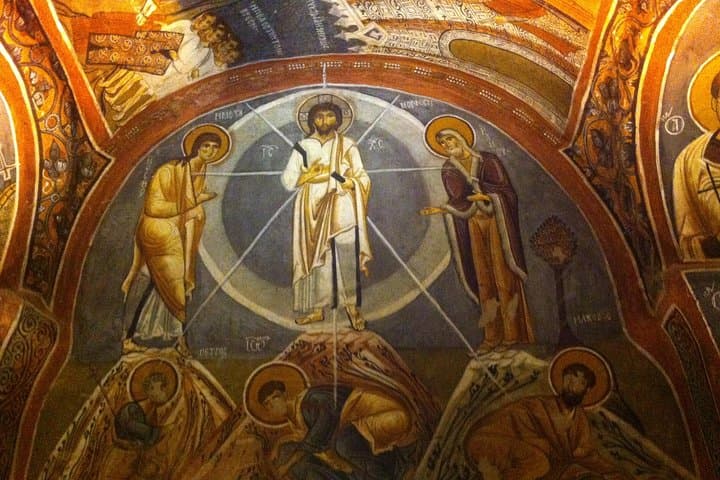
Cappadocia’s shapes are geological shorthand: thick volcanic ash compressed into soft tuff millions of years ago, then etched by wind and rain into ‘fairy chimneys’ and mushroom-capped spires. Humans found the material easy to carve and harder to forget — early Christians hollowed churches out of rock and painted them with cryptic frescoes during the 9th–12th centuries. The underground cities, some extending several levels below the surface, were built as refuge systems during waves of invasion; walking their narrow tunnels is like sliding into the margins of recorded history.
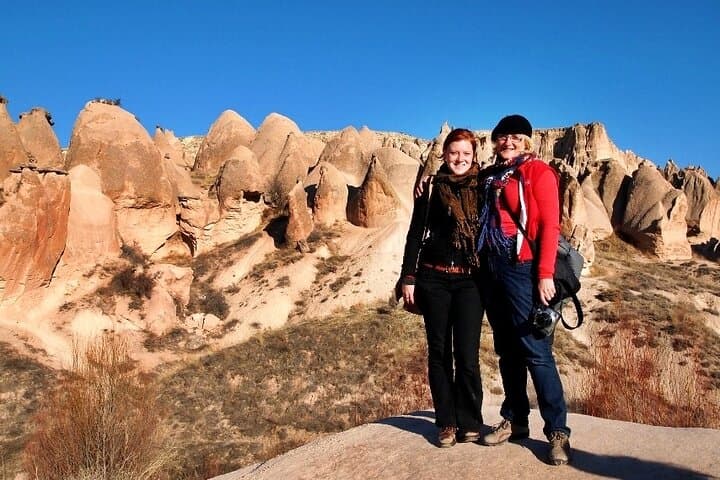
This private highlights tour stitches those major sites into one long, textured day: Uçhisar’s panoramas and pigeon-garden views, Pigeon Valley’s quiet terraces, the Göreme Open Air Museum with its cave churches and still-vivid fresco fragments, an underground city where ventilation shafts and hidden rooms reveal resourceful engineering, and the surreal formations of Imagination and Paradise Valleys.
Culturally, the area is still alive with crafts. Potters in nearby Avanos shape clay pulled from the Kızılırmak river, and carpet-weaving remains a domestic art; both can be added to a private itinerary. Locals read the land through seasonal cues — early-morning balloons, late-afternoon light for photos, an ebb-and-flow of visitors that concentrates at prime viewpoints.
Practical edge: expect a long day (roughly 7–8 hours) on mostly paved roads with multiple short walks on uneven ground, stairs in underground complexes, and brief climbs to overlooks. The tour includes private, air-conditioned transport and flexible pickup from Göreme-area hotels. Bring closed-toe walking shoes, layered clothes for temperature swings, a refillable water bottle, sunscreen and a small daypack. If you plan to enter underground cities, moderate mobility and comfort with tight spaces are essential. Ask ahead about museum entrance fees — some are payable on site — and plan morning starts if you want balloon silhouettes in your photos.
For travelers short on time, the private format means you see the geological story, the early Christian footprint, and living craft traditions in a single, focused day — an efficient, sensory primer on a landscape that still insists on surprising you.
easy.
7–8 hours.
Be able to stand and walk for multiple short excursions; light climbing and stairs are required.
Yes — private pickup from Göreme-area hotels is available and the operator confirms exact pickup locations when you book.
Some museum or underground city entrances may require on-site tickets; confirm with the operator whether admissions are included in your booking.
Yes — the private format allows optional stops at Avanos pottery studios or weaving demonstrations; request this when booking.
Families are welcome; infant seats and stroller access are available for road transfers, but underground cities have narrow passages unsuitable for strollers.
You may see balloons from viewpoints, especially at sunrise, but balloon flights are separate activities and are not included in this tour.
The tour involves stairs and uneven terrain; it’s not recommended for travelers with serious spinal or cardiovascular conditions—discuss any limitations when booking.
Cappadocia’s cave churches date from the Byzantine era (9th–12th centuries); underground cities served as multi-level refuges during invasions.
Visitor pressure has led to managed access at fragile fresco sites; stick to marked paths and avoid touching painted surfaces to help preserve them.
Hereke Travel operates guided outdoor trips and adventures with an emphasis on safety, stewardship, and memorable experiences.
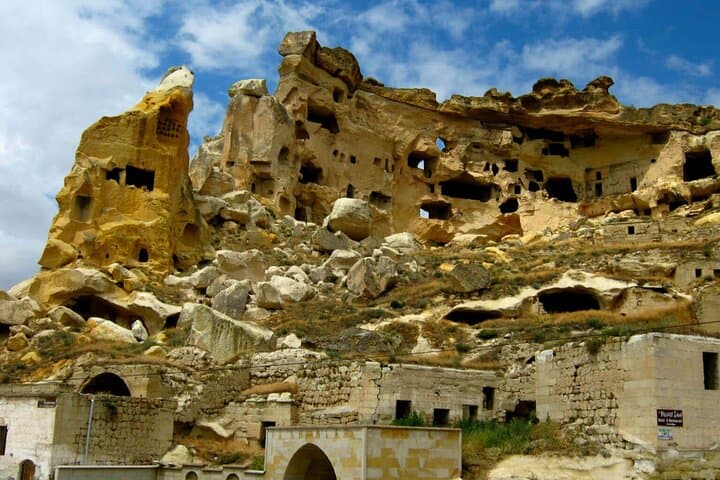
The van eases onto the plateau as dawn loosens its grip on the valley, and suddenly the landscape declares itself — a field of chimneys and cones carved from volcanic tuff, lit from the side so every ridge throws a long shadow. Your private guide points to a cluster of balloons hanging like slow lanterns over Göreme, then steers you toward Uçhisar Castle, the region’s highest rock outcrop, where the view asks you to read the geography like a map of human improvisation.
The van eases onto the plateau as dawn loosens its grip on the valley, and suddenly the landscape declares itself — a field of chimneys and cones carved from volcanic tuff, lit from the side so every ridge throws a long shadow. Your private guide points to a cluster of balloons hanging like slow lanterns over Göreme, then steers you toward Uçhisar Castle, the region’s highest rock outcrop, where the view asks you to read the geography like a map of human improvisation.
Cappadocia’s shapes are geological shorthand: thick volcanic ash compressed into soft tuff millions of years ago, then etched by wind and rain into ‘fairy chimneys’ and mushroom-capped spires. Humans found the material easy to carve and harder to forget — early Christians hollowed churches out of rock and painted them with cryptic frescoes during the 9th–12th centuries. The underground cities, some extending several levels below the surface, were built as refuge systems during waves of invasion; walking their narrow tunnels is like sliding into the margins of recorded history.
This private highlights tour stitches those major sites into one long, textured day: Uçhisar’s panoramas and pigeon-garden views, Pigeon Valley’s quiet terraces, the Göreme Open Air Museum with its cave churches and still-vivid fresco fragments, an underground city where ventilation shafts and hidden rooms reveal resourceful engineering, and the surreal formations of Imagination and Paradise Valleys.
Culturally, the area is still alive with crafts. Potters in nearby Avanos shape clay pulled from the Kızılırmak river, and carpet-weaving remains a domestic art; both can be added to a private itinerary. Locals read the land through seasonal cues — early-morning balloons, late-afternoon light for photos, an ebb-and-flow of visitors that concentrates at prime viewpoints.
Practical edge: expect a long day (roughly 7–8 hours) on mostly paved roads with multiple short walks on uneven ground, stairs in underground complexes, and brief climbs to overlooks. The tour includes private, air-conditioned transport and flexible pickup from Göreme-area hotels. Bring closed-toe walking shoes, layered clothes for temperature swings, a refillable water bottle, sunscreen and a small daypack. If you plan to enter underground cities, moderate mobility and comfort with tight spaces are essential. Ask ahead about museum entrance fees — some are payable on site — and plan morning starts if you want balloon silhouettes in your photos.
For travelers short on time, the private format means you see the geological story, the early Christian footprint, and living craft traditions in a single, focused day — an efficient, sensory primer on a landscape that still insists on surprising you.