THE ADVENTURE COLLECTIVE® · Independent discovery and booking for outdoor travel

Spend a full day moving through Cappadocia’s geological wonders and layered past — from frescoed cave churches at Göreme to the subterranean corridors of Kaymaklı and pottery at Avanos. This guided day trip packs viewpoints, village life and UNESCO history into an accessible eight-hour itinerary.
Spend a full day moving through Cappadocia’s geological wonders and layered past — from frescoed cave churches at Göreme to the subterranean corridors of Kaymaklı and pottery at Avanos. This guided day trip packs viewpoints, village life and UNESCO history into an accessible eight-hour itinerary.
You step out of the minibus into a landscape that refuses to behave like any other — hoodoos and “fairy chimneys” rise from a dusty plain, their spires catching the sun and throwing long, strange shadows. The guide’s voice cuts across the morning air in clear Spanish, folding geological time and human history into a single thread as the group heads first to Göreme Open Air Museum. Inside rock-cut churches, Byzantine frescoes still hold paint like stubborn memories; outside, the valley’s fluted columns lean as if listening.
Verified experiences and guided adventures in the surrounding area.
Operated by Akresa Travel · Göreme, Nevşehir
You step out of the minibus into a landscape that refuses to behave like any other — hoodoos and “fairy chimneys” rise from a dusty plain, their spires catching the sun and throwing long, strange shadows. The guide’s voice cuts across the morning air in clear Spanish, folding geological time and human history into a single thread as the group heads first to Göreme Open Air Museum. Inside rock-cut churches, Byzantine frescoes still hold paint like stubborn memories; outside, the valley’s fluted columns lean as if listening.
Cappadocia is a place where volcanoes wrote the map. Layers of ash and tuff compacted and then were sculpted by millennia of wind and rain into the sculptural chimneys you walk among at Paşabağ and Devrent. Human beings answered that landscape by carving into it — houses, monasteries and entire underground cities like Kaymaklı, a subterranean maze built and expanded from the Hittite era through Byzantine times as refuge from invaders.
Culture here remains tactile. In Avanos, the Kızılırmak River runs slow and red with clay; potters shape it on spinning wheels the same way their ancestors did. The tour spins these strands together: panoramic viewpoints at Uçhisar and Ortahisar, a pottery demonstration, Devrent’s whimsical formations, and the tight, layered tunnels of Kaymaklı where wooden beams and narrow stairways remind you that ancient ingenuity is often pragmatic and compact.
For travelers this is an efficient immersion — expect roughly eight hours of moving between short walks and stalls, photo stops and museum rooms. The walking itself is moderate: mostly flat village streets and uneven paths around rock sites, plus descending and climbing through several levels at Kaymaklı (low ceilings and narrow passages). Bring footwear that grips, a daypack with water and sun protection, and a readiness to stoop in the underground passages.
Practical planning: the tour includes entrance fees for key sites and uses an air-conditioned vehicle; pickups are arranged from Göreme, Ürgüp, Uçhisar and Avanos. Best photography is early and late in the day when the chimneys cast long shadows; peak tourist months are spring and fall when temperatures are comfortable. Respect the sites — avoid touching frescoes, follow the guide’s route through fragile tunnels, and consider buying a piece from an Avanos studio to support local craftspeople.
This day trip doesn’t demand extreme fitness, but it rewards curiosity: you’ll leave with a clearer sense of how geology shaped livelihoods, how Byzantine faith left its mark in paint and pocketed cities, and how contemporary Cappadocia balances tourism with traditions that still turn clay into objects of daily life.
moderate.
8 hours.
Moderate — able to walk on uneven ground and climb/descend multiple flights of stairs in the underground city.
Yes — the tour includes an air-conditioned vehicle and pickup options from Göreme, Ürgüp, Uçhisar and Avanos; confirm your pickup point when booking.
Entrance fees for main stops listed in the itinerary (Göreme Open Air Museum, Kaymaklı, Paşabağ) are included as noted in the tour inclusions.
Kaymaklı has narrow, sometimes steep passageways and low ceilings; travelers with significant mobility limitations should consult the operator — alternatives include panoramic stops.
The tour does not list a provided meal; there will be a break in a town like Avanos to buy lunch — bring snacks if you prefer to eat on the move.
Yes — children may join, but parents should note the underground city’s tight spaces and supervise accordingly; infants must sit on an adult’s lap if on board during pickup.
Balloons are a common sight at sunrise over Göreme, but this day tour runs later in the morning; balloon flights are separate experiences requiring early starts and advance booking.
Cappadocia’s human history spans Hittite settlements through Byzantine Christian communities who carved churches and frescoes into tuff; underground cities like Kaymaklı were expanded as refuges during invasions.
High visitor numbers stress fragile frescoes and soft tuff; stick to marked paths, avoid touching painted surfaces and support local artisans to channel tourism dollars to the community.
Akresa Travel operates guided outdoor trips and adventures with an emphasis on safety, stewardship, and memorable experiences.
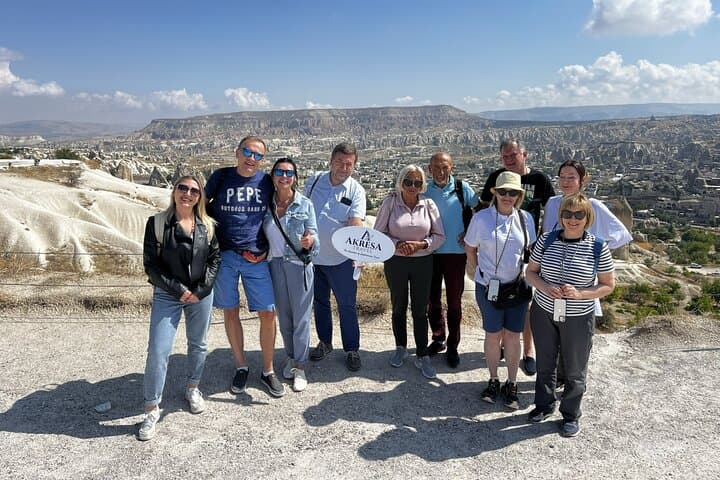
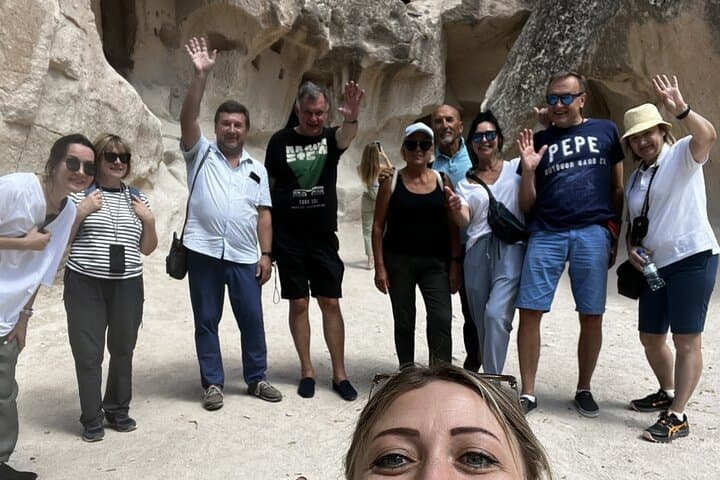
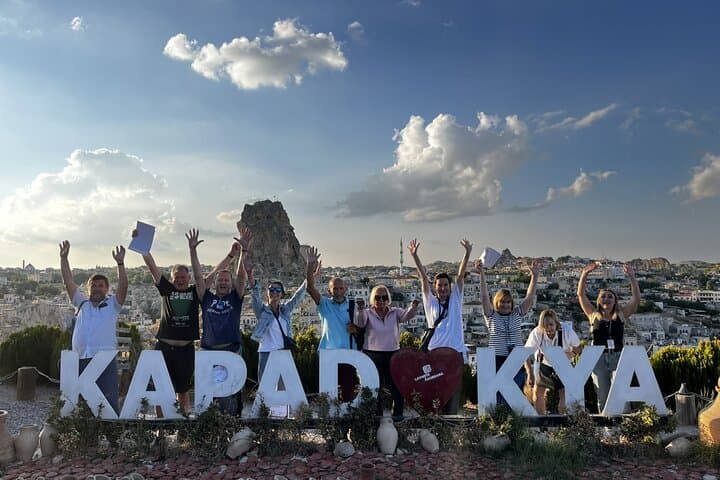
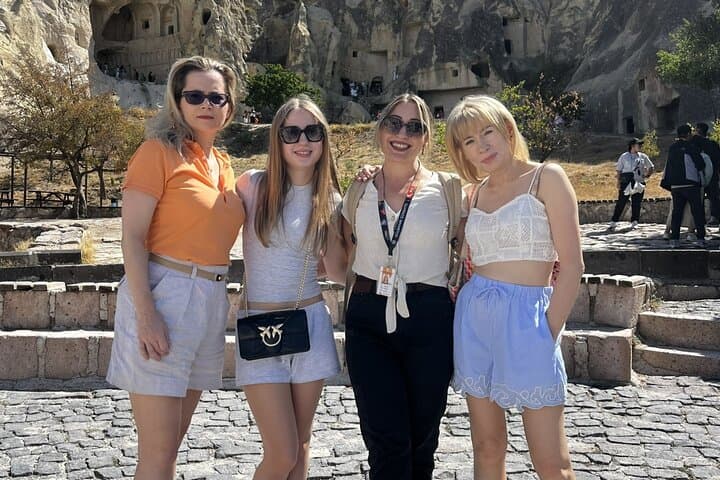
You step out of the minibus into a landscape that refuses to behave like any other — hoodoos and “fairy chimneys” rise from a dusty plain, their spires catching the sun and throwing long, strange shadows. The guide’s voice cuts across the morning air in clear Spanish, folding geological time and human history into a single thread as the group heads first to Göreme Open Air Museum. Inside rock-cut churches, Byzantine frescoes still hold paint like stubborn memories; outside, the valley’s fluted columns lean as if listening.
You step out of the minibus into a landscape that refuses to behave like any other — hoodoos and “fairy chimneys” rise from a dusty plain, their spires catching the sun and throwing long, strange shadows. The guide’s voice cuts across the morning air in clear Spanish, folding geological time and human history into a single thread as the group heads first to Göreme Open Air Museum. Inside rock-cut churches, Byzantine frescoes still hold paint like stubborn memories; outside, the valley’s fluted columns lean as if listening.
Cappadocia is a place where volcanoes wrote the map. Layers of ash and tuff compacted and then were sculpted by millennia of wind and rain into the sculptural chimneys you walk among at Paşabağ and Devrent. Human beings answered that landscape by carving into it — houses, monasteries and entire underground cities like Kaymaklı, a subterranean maze built and expanded from the Hittite era through Byzantine times as refuge from invaders.
Culture here remains tactile. In Avanos, the Kızılırmak River runs slow and red with clay; potters shape it on spinning wheels the same way their ancestors did. The tour spins these strands together: panoramic viewpoints at Uçhisar and Ortahisar, a pottery demonstration, Devrent’s whimsical formations, and the tight, layered tunnels of Kaymaklı where wooden beams and narrow stairways remind you that ancient ingenuity is often pragmatic and compact.
For travelers this is an efficient immersion — expect roughly eight hours of moving between short walks and stalls, photo stops and museum rooms. The walking itself is moderate: mostly flat village streets and uneven paths around rock sites, plus descending and climbing through several levels at Kaymaklı (low ceilings and narrow passages). Bring footwear that grips, a daypack with water and sun protection, and a readiness to stoop in the underground passages.
Practical planning: the tour includes entrance fees for key sites and uses an air-conditioned vehicle; pickups are arranged from Göreme, Ürgüp, Uçhisar and Avanos. Best photography is early and late in the day when the chimneys cast long shadows; peak tourist months are spring and fall when temperatures are comfortable. Respect the sites — avoid touching frescoes, follow the guide’s route through fragile tunnels, and consider buying a piece from an Avanos studio to support local craftspeople.
This day trip doesn’t demand extreme fitness, but it rewards curiosity: you’ll leave with a clearer sense of how geology shaped livelihoods, how Byzantine faith left its mark in paint and pocketed cities, and how contemporary Cappadocia balances tourism with traditions that still turn clay into objects of daily life.