THE ADVENTURE COLLECTIVE® · Independent discovery and booking for outdoor travel

Spend a day on Cappadocia’s classic North (Red) Tour—Devrent’s whimsical rock sculptures, Paşabağ’s famous fairy chimneys, the ancient cave town of Zelve and the summit panorama of Uçhisar—plus a pottery stop in Avanos and lunch. Small groups, guided interpretation, and short walks make it an efficient introduction to the region’s geology and history.
Spend a day on Cappadocia’s classic North (Red) Tour—Devrent’s whimsical rock sculptures, Paşabağ’s famous fairy chimneys, the ancient cave town of Zelve and the summit panorama of Uçhisar—plus a pottery stop in Avanos and lunch. Small groups, guided interpretation, and short walks make it an efficient introduction to the region’s geology and history.
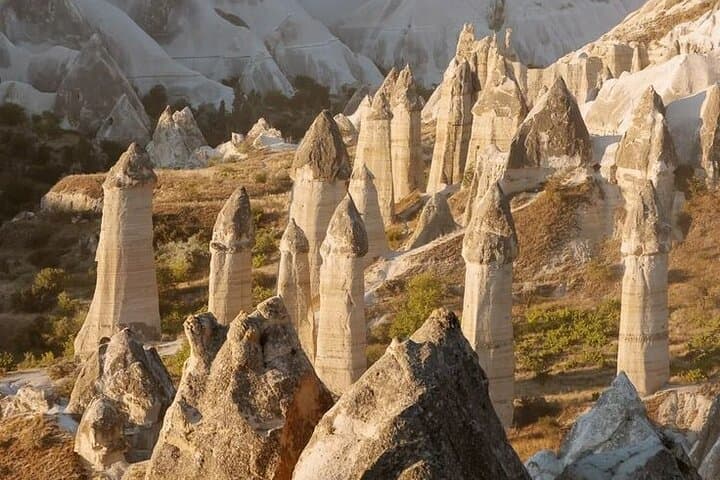
You step off the minibus into a landscape that looks engineered by a surreal imagination—columns of pale stone rise like sentinels, their caps weathered into mushroom shapes and animal silhouettes. The air smells faintly of dust and sun-baked clay; wind slips between the chimneys and seems to push you forward, toward narrow trails and open rims where the Anatolian plain falls away into valleys painted in ochre and rose.
Verified experiences and guided adventures in the surrounding area.
Operated by SG TURİZM · Göreme, Nevşehir
You step off the minibus into a landscape that looks engineered by a surreal imagination—columns of pale stone rise like sentinels, their caps weathered into mushroom shapes and animal silhouettes. The air smells faintly of dust and sun-baked clay; wind slips between the chimneys and seems to push you forward, toward narrow trails and open rims where the Anatolian plain falls away into valleys painted in ochre and rose.
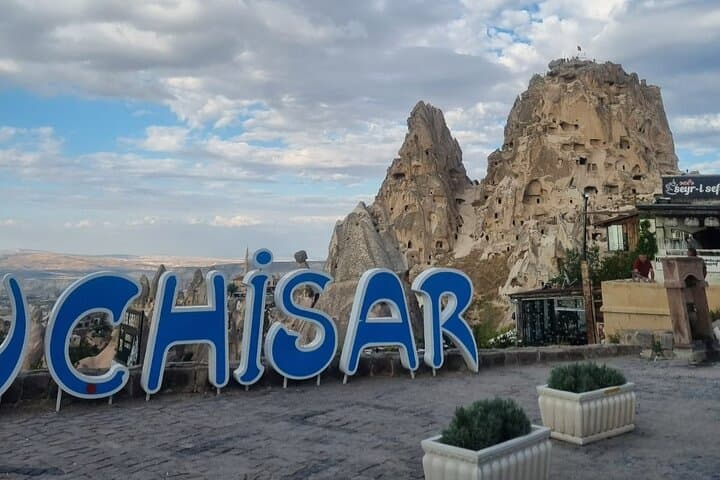
This is the Red Tour—Cappadocia’s compact primer. Over eight hours, a small group (the operator limits tours to 18) moves between Devrent Valley’s playful sculptures, the monk-cut shelters of Paşabağ, the picture-postcard spires of Love Valley, the honeycombed settlement at Zelve, and the fortress summit of Uçhisar, with a pottery stop in Avanos where the Kızılırmak River’s red clay is still spun on family wheels.
Geology does the heavy lifting here: millions of years of volcanic ash consolidated into soft tuff, then wind and rain carved it into chimneys, pillars, and hollowed rooms. Humans found this soft stone easy to sculpt—Hittite, Byzantine, and later Christian communities created churches, cells and entire cave villages. Those layers of use give the valleys both their dramatic forms and the muted fresco traces tucked inside rock chapels.
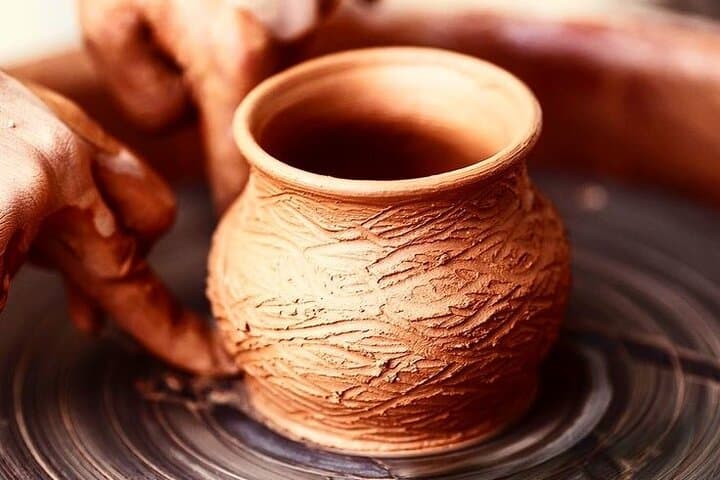
Culture shows up in small ways—a potter’s wheel, an old stone courtyard, the cadence of Turkish tea poured in tulip glasses. Avanos’ workshops are both living craft and reminder that tourism supports these households; consider buying a small piece from a family studio rather than a mass-produced souvenir.
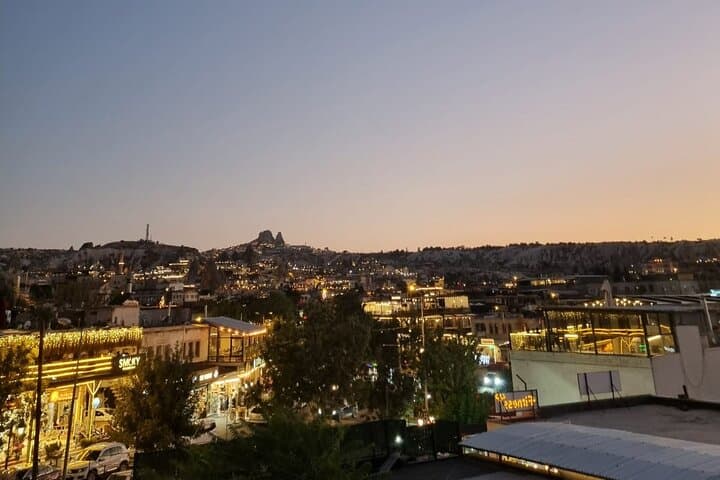
Practical guidance: hotel pickup and drop-off are included; expect a comfortable, air-conditioned bus and an English-speaking guide. Walking is short but over uneven dirt and stone; total on-feet time at each stop is typically 30–60 minutes. The trip includes lunch; confirm whether specific entrance fees or drinks are covered when you book. For photographers, mid-morning light softens the valleys, while the late afternoon glow from Uçhisar casts long shadows.
Bring sturdy shoes, sun protection, and a refillable water bottle—Cappadocia’s high plateaus are deceptively dry and sun can be intense even in shoulder seasons. If you want the hot-air balloon spectacle, plan to arrive the day before or after this tour and book a sunrise flight; the Red Tour’s schedule keeps to daylight hours. Finally, respect fragile formations—follow trails and avoid climbing the fairy chimneys. The rock is beautiful because it is fragile, and preserving those surfaces keeps Cappadocia remarkable for the next visitor.
This day trip is an efficient, immersive primer: a half-dozen signature sites, a local lunch, and a guide who ties the geology and human history into a single, memorable circuit across an ancient landscape.
easy.
6–8 hours.
Minimal fitness required; participants should be able to manage short, uneven walks and steps
Expect about 6–8 hours with multiple short stops—Devrent, Paşabağ, Love Valley, Zelve, Uçhisar and Avanos (pottery) are the highlights.
Yes—the tour includes hotel pickup and drop-off; provide your hotel details at booking and expect pickup roughly 30 minutes before departure time.
The tour advertises lunch and some entrance fees as included, but policies vary—confirm at booking whether all admissions and drinks are covered.
The tour is rated easy but involves short walks on uneven ground and steps; travelers with mobility limitations should check with the operator about accessibility at each stop.
Yes—Avanos workshops typically offer a chance to try the potter’s wheel under a craftsman’s guidance, though more elaborate classes may cost extra.
Yes—balloon flights happen at sunrise and are separate from the day tour; schedule them on a different morning to avoid time conflicts.
Cappadocia’s soft tuff was carved into dwellings, churches and monasteries over centuries—from early Anatolian societies through Byzantine monastic communities—creating a landscape shaped by both volcanoes and people.
Göreme National Park is a protected UNESCO World Heritage area; stick to marked trails, avoid climbing fragile chimneys, and support local craft businesses to keep tourism sustainable.
SG TURİZM operates guided outdoor trips and adventures with an emphasis on safety, stewardship, and memorable experiences.
You step off the minibus into a landscape that looks engineered by a surreal imagination—columns of pale stone rise like sentinels, their caps weathered into mushroom shapes and animal silhouettes. The air smells faintly of dust and sun-baked clay; wind slips between the chimneys and seems to push you forward, toward narrow trails and open rims where the Anatolian plain falls away into valleys painted in ochre and rose.
You step off the minibus into a landscape that looks engineered by a surreal imagination—columns of pale stone rise like sentinels, their caps weathered into mushroom shapes and animal silhouettes. The air smells faintly of dust and sun-baked clay; wind slips between the chimneys and seems to push you forward, toward narrow trails and open rims where the Anatolian plain falls away into valleys painted in ochre and rose.
This is the Red Tour—Cappadocia’s compact primer. Over eight hours, a small group (the operator limits tours to 18) moves between Devrent Valley’s playful sculptures, the monk-cut shelters of Paşabağ, the picture-postcard spires of Love Valley, the honeycombed settlement at Zelve, and the fortress summit of Uçhisar, with a pottery stop in Avanos where the Kızılırmak River’s red clay is still spun on family wheels.
Geology does the heavy lifting here: millions of years of volcanic ash consolidated into soft tuff, then wind and rain carved it into chimneys, pillars, and hollowed rooms. Humans found this soft stone easy to sculpt—Hittite, Byzantine, and later Christian communities created churches, cells and entire cave villages. Those layers of use give the valleys both their dramatic forms and the muted fresco traces tucked inside rock chapels.
Culture shows up in small ways—a potter’s wheel, an old stone courtyard, the cadence of Turkish tea poured in tulip glasses. Avanos’ workshops are both living craft and reminder that tourism supports these households; consider buying a small piece from a family studio rather than a mass-produced souvenir.
Practical guidance: hotel pickup and drop-off are included; expect a comfortable, air-conditioned bus and an English-speaking guide. Walking is short but over uneven dirt and stone; total on-feet time at each stop is typically 30–60 minutes. The trip includes lunch; confirm whether specific entrance fees or drinks are covered when you book. For photographers, mid-morning light softens the valleys, while the late afternoon glow from Uçhisar casts long shadows.
Bring sturdy shoes, sun protection, and a refillable water bottle—Cappadocia’s high plateaus are deceptively dry and sun can be intense even in shoulder seasons. If you want the hot-air balloon spectacle, plan to arrive the day before or after this tour and book a sunrise flight; the Red Tour’s schedule keeps to daylight hours. Finally, respect fragile formations—follow trails and avoid climbing the fairy chimneys. The rock is beautiful because it is fragile, and preserving those surfaces keeps Cappadocia remarkable for the next visitor.
This day trip is an efficient, immersive primer: a half-dozen signature sites, a local lunch, and a guide who ties the geology and human history into a single, memorable circuit across an ancient landscape.