THE ADVENTURE COLLECTIVE® · Independent discovery and booking for outdoor travel

Spend a day moving from panoramic viewpoints to underground cities and pottery workshops—this full-day Mix Tour stitches Cappadocia’s geological oddities and living traditions into a single, well-paced experience with lunch and museum entries included.
Spend a day moving from panoramic viewpoints to underground cities and pottery workshops—this full-day Mix Tour stitches Cappadocia’s geological oddities and living traditions into a single, well-paced experience with lunch and museum entries included.
You step out of the van into a landscape that reads like a different planet—pale spires, mushroom-capped pinnacles and honeycombed cliffs cut with doorways and pigeon-houses. The air at dawn in Cappadocia is cool and slightly mineral; it smells faintly of dust and simmering clay. Over eight hours a private guide threads you through the region’s best-known scenes: a pottery demonstration in Avanos, the panoramic sweep from Uçhisar, the sculpted chimneys of Paşabağ, the surreal formations of Devrent, and the canyon hush of Ihlara, capped by the labyrinthine Kaymaklı Underground City.
Verified experiences and guided adventures in the surrounding area.
Operated by Anatolian Treshold Travel · Göreme, Nevşehir
You step out of the van into a landscape that reads like a different planet—pale spires, mushroom-capped pinnacles and honeycombed cliffs cut with doorways and pigeon-houses. The air at dawn in Cappadocia is cool and slightly mineral; it smells faintly of dust and simmering clay. Over eight hours a private guide threads you through the region’s best-known scenes: a pottery demonstration in Avanos, the panoramic sweep from Uçhisar, the sculpted chimneys of Paşabağ, the surreal formations of Devrent, and the canyon hush of Ihlara, capped by the labyrinthine Kaymaklı Underground City.
The geology is blunt and honest here—millions of years of ash and tuff from Erciyes and Hasan volcanoes compacted and then eroded into soft, knife-edged ridges. People arrived early and saw in that softness an opportunity: centuries of carving yielded cave homes, churches and entire underground settlements. Christianity’s early communities left painted chapels in Ihlara; later residents left pigeon dovecotes that turned the cliffs into vertical farms. Avanos still turns red clay from the Kızılırmak River into pots using techniques that have survived Ottoman tax registers and modern tourism.
Culturally the area feels lived-in and practical. Lunch is an open buffet of Anatolian staples—lentil soup, gözleme, grilled lamb—and the shared table is as instructive about local life as any museum plaque. The tour balances those human touches with raw landscape: a walk through Paşabağ’s fairy chimneys, a brief descent into Ihlara for a river-side stroll (the valley runs 14 km though most groups cover a photographed section), and then the claustrophobic cool of Kaymaklı where passages narrow and ventilation shafts hint at ingenious ancient engineering.
Practical edge: expect uneven paths, stone steps and narrow tunnels—good traction shoes and a light daypack make the day smoother. The tour includes museum entrance fees and lunch, and offers hotel pickup and drop-off; timing is strict because many sites manage visitor flow. Bring cash for small pottery purchases at Avanos and tip the guide if their storytelling made the day; cameras will be busy, but slow your pace for close-up details—fresco fragments, carved lintels and wheel-thrown clay in motion.
For travelers who value context over checklist, the Mix Tour delivers geological spectacle, living craft and subterranean history in a single, well-paced day. It’s a primer on Cappadocia’s odd, enduring logic—how a landscape that dares to look alien became one of Turkey’s most human places.
moderate.
8 hours.
Suitable for travellers in average fitness—able to walk on uneven ground, climb stairs and stand for guided explanations.
Yes—hotel pickup and drop-off are provided; confirm your pickup point when booking and expect a 15-minute window before departure.
Lunch and listed museum entrance fees are included in the tour price, as noted in the itinerary.
The group typically covers a photographed segment of Ihlara—expect 2–4 km of fairly easy walking with some stone steps down to the riverbank.
Kaymaklı has narrow passages and low ceilings; travelers with claustrophobia should discuss alternatives with the guide prior to descent.
You can watch a demonstration and are usually offered the chance to try the wheel; there may be a small fee if you want your piece fired and shipped.
Restrooms are available at main tourist sites and some stops (Avanos, Paşabağ, Ihlara trailheads), but facilities vary in comfort and availability.
Cappadocia’s soft tuff was created by volcanic ash millions of years ago and later hollowed by people into cave churches, homes and entire underground refuges.
Tuff erodes easily—stay on marked paths, avoid climbing fragile formations and buy locally-made pottery to support traditional craft economies.
Anatolian Treshold Travel operates guided outdoor trips and adventures with an emphasis on safety, stewardship, and memorable experiences.
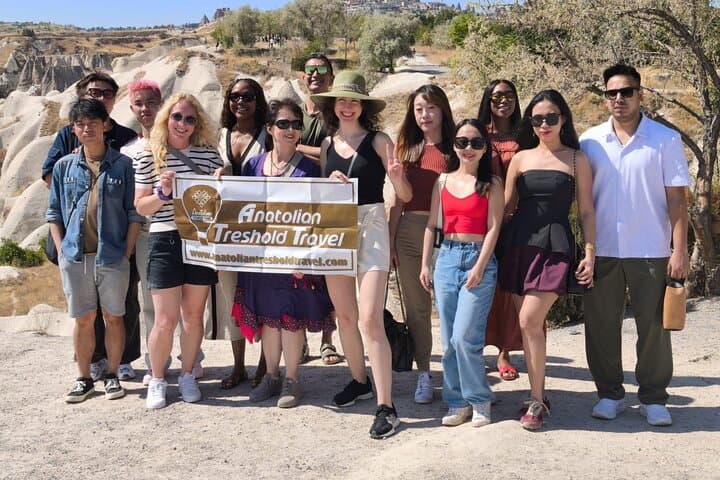
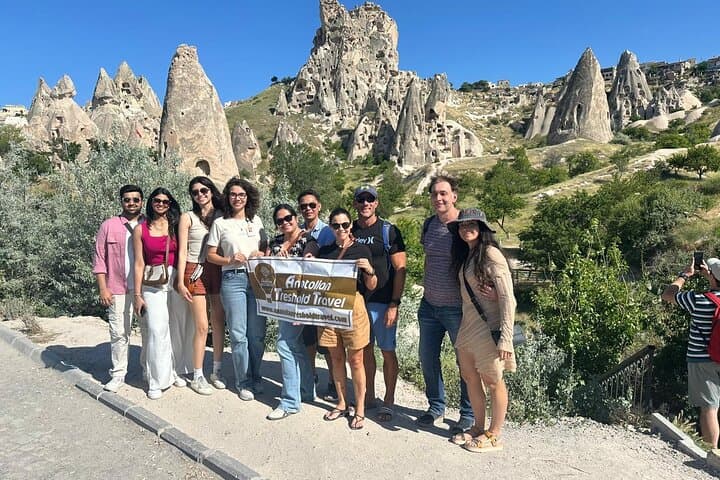
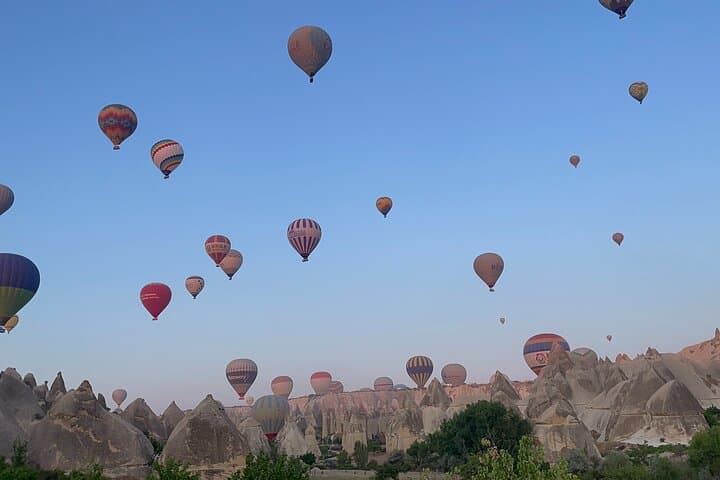
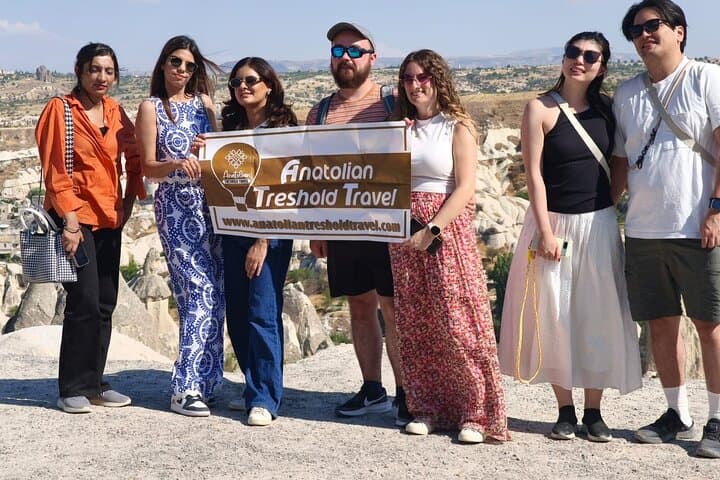
You step out of the van into a landscape that reads like a different planet—pale spires, mushroom-capped pinnacles and honeycombed cliffs cut with doorways and pigeon-houses. The air at dawn in Cappadocia is cool and slightly mineral; it smells faintly of dust and simmering clay. Over eight hours a private guide threads you through the region’s best-known scenes: a pottery demonstration in Avanos, the panoramic sweep from Uçhisar, the sculpted chimneys of Paşabağ, the surreal formations of Devrent, and the canyon hush of Ihlara, capped by the labyrinthine Kaymaklı Underground City.
You step out of the van into a landscape that reads like a different planet—pale spires, mushroom-capped pinnacles and honeycombed cliffs cut with doorways and pigeon-houses. The air at dawn in Cappadocia is cool and slightly mineral; it smells faintly of dust and simmering clay. Over eight hours a private guide threads you through the region’s best-known scenes: a pottery demonstration in Avanos, the panoramic sweep from Uçhisar, the sculpted chimneys of Paşabağ, the surreal formations of Devrent, and the canyon hush of Ihlara, capped by the labyrinthine Kaymaklı Underground City.
The geology is blunt and honest here—millions of years of ash and tuff from Erciyes and Hasan volcanoes compacted and then eroded into soft, knife-edged ridges. People arrived early and saw in that softness an opportunity: centuries of carving yielded cave homes, churches and entire underground settlements. Christianity’s early communities left painted chapels in Ihlara; later residents left pigeon dovecotes that turned the cliffs into vertical farms. Avanos still turns red clay from the Kızılırmak River into pots using techniques that have survived Ottoman tax registers and modern tourism.
Culturally the area feels lived-in and practical. Lunch is an open buffet of Anatolian staples—lentil soup, gözleme, grilled lamb—and the shared table is as instructive about local life as any museum plaque. The tour balances those human touches with raw landscape: a walk through Paşabağ’s fairy chimneys, a brief descent into Ihlara for a river-side stroll (the valley runs 14 km though most groups cover a photographed section), and then the claustrophobic cool of Kaymaklı where passages narrow and ventilation shafts hint at ingenious ancient engineering.
Practical edge: expect uneven paths, stone steps and narrow tunnels—good traction shoes and a light daypack make the day smoother. The tour includes museum entrance fees and lunch, and offers hotel pickup and drop-off; timing is strict because many sites manage visitor flow. Bring cash for small pottery purchases at Avanos and tip the guide if their storytelling made the day; cameras will be busy, but slow your pace for close-up details—fresco fragments, carved lintels and wheel-thrown clay in motion.
For travelers who value context over checklist, the Mix Tour delivers geological spectacle, living craft and subterranean history in a single, well-paced day. It’s a primer on Cappadocia’s odd, enduring logic—how a landscape that dares to look alien became one of Turkey’s most human places.