THE ADVENTURE COLLECTIVE® · Independent discovery and booking for outdoor travel

Spend a day moving through Cappadocia’s sculpted valleys, underground settlements and pottery workshops on a private full-day tour. This itinerary balances panoramic viewpoints and cultural stops with local food and hands-on craft.
Spend a day moving through Cappadocia’s sculpted valleys, underground settlements and pottery workshops on a private full-day tour. This itinerary balances panoramic viewpoints and cultural stops with local food and hands-on craft.
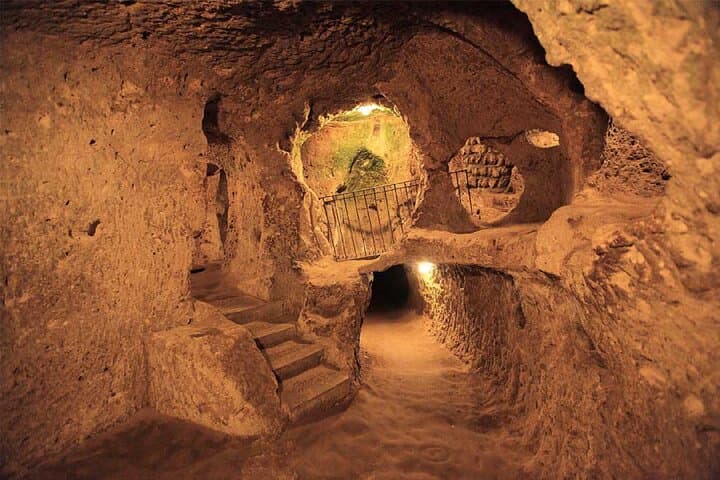
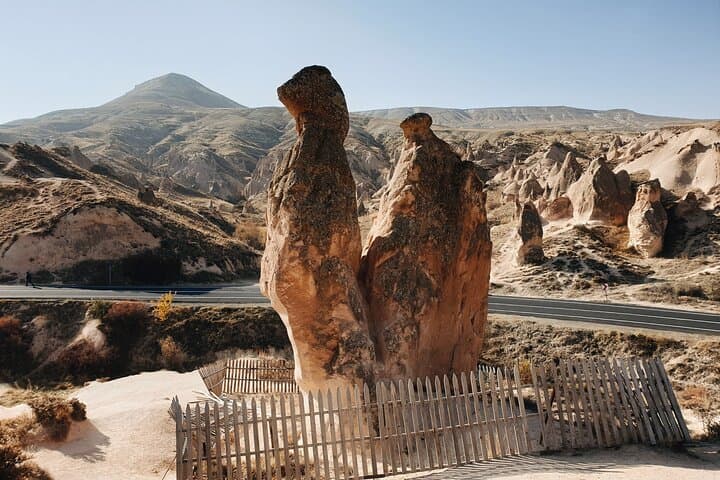
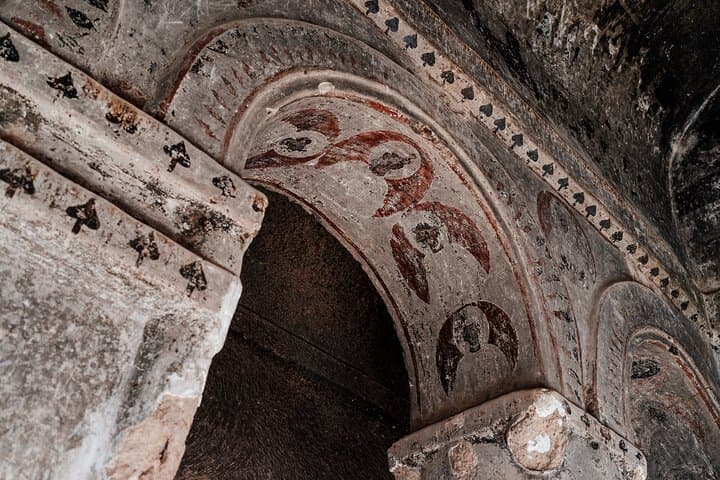
You step onto a quiet backroad outside Göreme before dawn and the valley tilts into light. Wind-polished spires rise from the earth — fairy chimneys that have weathered millennia — while the guide checks the day’s plan and the van hums awake. For the next seven to eight hours the Cappadocia Mix tour staggers between geology and human story: cliff-carved churches at the Göreme Open-Air Museum, cool tunnels that once hid entire communities, and a clay-smeared pottery wheel where centuries-old craft is still a performance.
Verified experiences and guided adventures in the surrounding area.
Operated by Connect Kayata Travel · Goreme, Nevsehir Province
You step onto a quiet backroad outside Göreme before dawn and the valley tilts into light. Wind-polished spires rise from the earth — fairy chimneys that have weathered millennia — while the guide checks the day’s plan and the van hums awake. For the next seven to eight hours the Cappadocia Mix tour staggers between geology and human story: cliff-carved churches at the Göreme Open-Air Museum, cool tunnels that once hid entire communities, and a clay-smeared pottery wheel where centuries-old craft is still a performance.
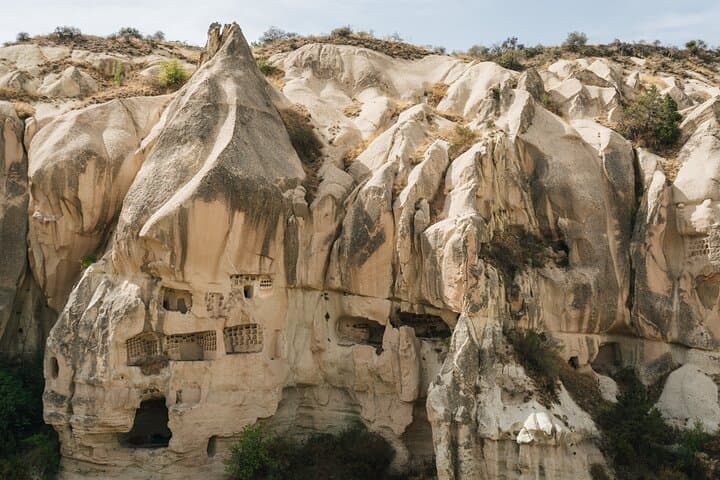
Cappadocia is volcanic country. Layers of tuff laid down by ancient eruptions were later sculpted by wind and rain into the pillars and valleys you move through on this route. People carved into that soft rock from the Byzantine period onward, creating churches, monasteries and sprawling underground settlements used as shelter against invaders. Uchisar Castle, a weathered high point on the itinerary, reads like a map of that labor: windows, staircases and hollows cut into living stone.
The region’s culture is hands-on. At a working pottery workshop you see a master shape clay on the same wheel technique that Anatolian potters have used for generations. In villages like Çavuşin and around pigeon-filled niches of Güvercinlik Valley, shepherds and shopkeepers still sell dried fruits and hand-stitched textiles, a direct line to rural life in Nevşehir Province. Lunch lands mid-day as a buffet of local flavors—lentil soup, testi kebab, fresh salads—a practical pause before more exploring.
What to expect on the ground: much of the tour involves short hikes and walking on uneven volcanic rock and narrow paths; stairs and low ceilings in the underground sites are common. The guide times visits so you avoid the biggest crowds at key points, and admissions for major attractions listed in the itinerary are included.
Practical guidance: wear sturdy walking shoes with good grip, bring layered clothing for big temperature swings between morning valleys and midday plateaus, and carry a refillable water bottle. Sun protection is essential; shade is rare on ridge-top viewpoints. Cameras should be ready at panoramic stops near Uchisar Castle and the fairy chimney fields—light shifts fast. The tour offers hotel pickup in Göreme and surrounding towns; confirm pickup time the evening before.
This is a full day of motion and stories: volcanic rock that keeps its secrets, villages that still work by hand, and a pottery wheel that bridges past and present. It’s less sightseeing checklist than a paced introduction to why Cappadocia still feels like a place you need to walk to understand.
moderate.
7–8 hours.
Moderate fitness required: expect multiple short hikes, stairs and standing during museum visits
The tour runs about 7 to 8 hours, including hotel pickup, multiple sightseeing stops and a lunch break.
Admissions for primary attractions noted in the itinerary, like the Göreme Open-Air Museum, are included; your confirmation outlines specifics.
Yes; pickup from hotels in Göreme and nearby towns is included—confirm exact pickup time after booking.
The tour involves uneven terrain and underground passages; it is not recommended for pregnant travelers or those with serious back or heart conditions.
Yes; the itinerary includes a pottery demonstration and hands-on opportunity to try the wheel under supervision.
Wear comfortable layered clothing and durable footwear; bring sun protection and a light jacket depending on season.
Cappadocia's rock-cut architecture and underground cities date back to Hellenistic and Byzantine eras when communities carved homes and churches into soft volcanic tuff for shelter and worship.
Tour operators encourage staying on marked paths to protect fragile tuff formations; support local artisans to help sustain traditional crafts and reduce tourist pressure on fragile habitats.
Connect Kayata Travel operates guided outdoor trips and adventures with an emphasis on safety, stewardship, and memorable experiences.
You step onto a quiet backroad outside Göreme before dawn and the valley tilts into light. Wind-polished spires rise from the earth — fairy chimneys that have weathered millennia — while the guide checks the day’s plan and the van hums awake. For the next seven to eight hours the Cappadocia Mix tour staggers between geology and human story: cliff-carved churches at the Göreme Open-Air Museum, cool tunnels that once hid entire communities, and a clay-smeared pottery wheel where centuries-old craft is still a performance.
You step onto a quiet backroad outside Göreme before dawn and the valley tilts into light. Wind-polished spires rise from the earth — fairy chimneys that have weathered millennia — while the guide checks the day’s plan and the van hums awake. For the next seven to eight hours the Cappadocia Mix tour staggers between geology and human story: cliff-carved churches at the Göreme Open-Air Museum, cool tunnels that once hid entire communities, and a clay-smeared pottery wheel where centuries-old craft is still a performance.
Cappadocia is volcanic country. Layers of tuff laid down by ancient eruptions were later sculpted by wind and rain into the pillars and valleys you move through on this route. People carved into that soft rock from the Byzantine period onward, creating churches, monasteries and sprawling underground settlements used as shelter against invaders. Uchisar Castle, a weathered high point on the itinerary, reads like a map of that labor: windows, staircases and hollows cut into living stone.
The region’s culture is hands-on. At a working pottery workshop you see a master shape clay on the same wheel technique that Anatolian potters have used for generations. In villages like Çavuşin and around pigeon-filled niches of Güvercinlik Valley, shepherds and shopkeepers still sell dried fruits and hand-stitched textiles, a direct line to rural life in Nevşehir Province. Lunch lands mid-day as a buffet of local flavors—lentil soup, testi kebab, fresh salads—a practical pause before more exploring.
What to expect on the ground: much of the tour involves short hikes and walking on uneven volcanic rock and narrow paths; stairs and low ceilings in the underground sites are common. The guide times visits so you avoid the biggest crowds at key points, and admissions for major attractions listed in the itinerary are included.
Practical guidance: wear sturdy walking shoes with good grip, bring layered clothing for big temperature swings between morning valleys and midday plateaus, and carry a refillable water bottle. Sun protection is essential; shade is rare on ridge-top viewpoints. Cameras should be ready at panoramic stops near Uchisar Castle and the fairy chimney fields—light shifts fast. The tour offers hotel pickup in Göreme and surrounding towns; confirm pickup time the evening before.
This is a full day of motion and stories: volcanic rock that keeps its secrets, villages that still work by hand, and a pottery wheel that bridges past and present. It’s less sightseeing checklist than a paced introduction to why Cappadocia still feels like a place you need to walk to understand.