THE ADVENTURE COLLECTIVE® · Independent discovery and booking for outdoor travel

Float over fairy chimneys at dawn, sleep in a cave hotel and explore multi-level underground cities on a compact 3-day circuit through Cappadocia. This practical guide lays out what to expect, when to go and how to prepare.
Float over fairy chimneys at dawn, sleep in a cave hotel and explore multi-level underground cities on a compact 3-day circuit through Cappadocia. This practical guide lays out what to expect, when to go and how to prepare.
The basket lifts off before sunrise and the valley exhales. Hot-air balloons drift over a moonscape of stone—hunched chimneys, carved churches and the honey-colored roofs of Göreme—as if the land itself has been waiting for this light. For three days, the itinerary folds these quiet mornings into a practical circuit of Cappadocia’s most iconic sites: a cave-hotel night, a full day of guided exploration with a balloon flight, and a final sweep through underground cities and trekking valleys.
Verified experiences and guided adventures in the surrounding area.
Operated by Sight Trip · Göreme, Nevşehir
The basket lifts off before sunrise and the valley exhales. Hot-air balloons drift over a moonscape of stone—hunched chimneys, carved churches and the honey-colored roofs of Göreme—as if the land itself has been waiting for this light. For three days, the itinerary folds these quiet mornings into a practical circuit of Cappadocia’s most iconic sites: a cave-hotel night, a full day of guided exploration with a balloon flight, and a final sweep through underground cities and trekking valleys.
This is an area shaped by eruption and erosion. Layers of tuff, compressed volcanic ash from ancient eruptions of Erciyes and Hasan, were soft enough to be hollowed into dwellings and churches from the 9th to 13th centuries. Byzantine frescoes remain behind soot-darkened lintels, and pigeon houses pocked the cliffs to fertilize the vineyards below. The region’s human story runs just as deep: Hittites, Persians, Byzantines and early Christians all left traces in pottery, chapels and subterranean refuges.
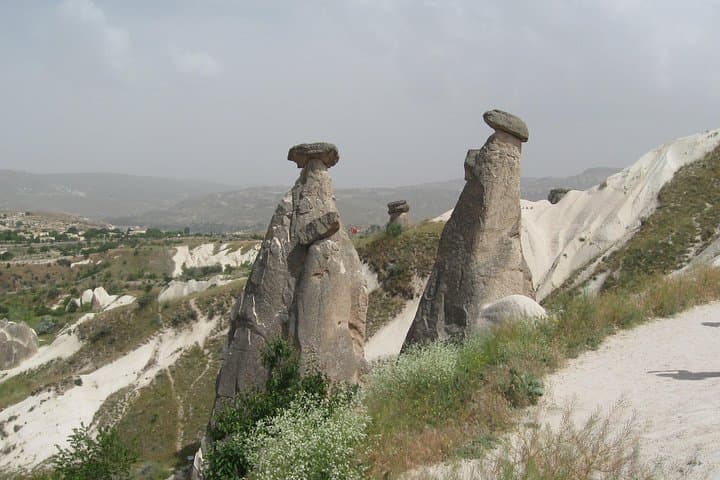
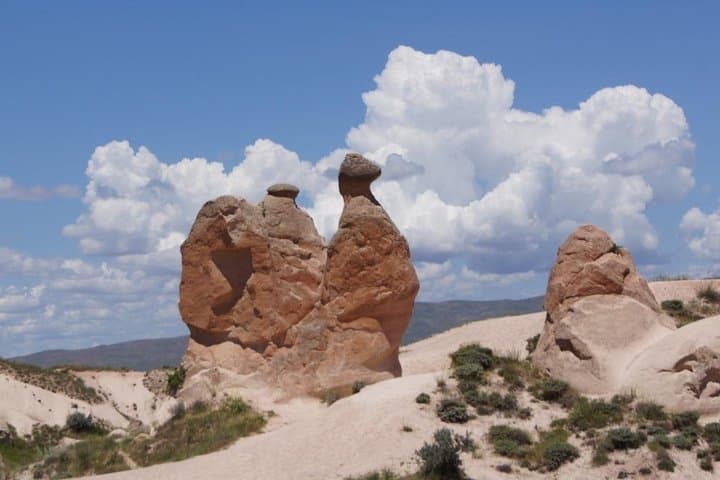
A typical cadence: touch down, return to a superior cave hotel in Göreme, then set out by minibus with a local guide. Day two centers on the balloon (plan for a roughly 60-minute flight at dawn), followed by stops at Göreme Open-Air Museum (note: Dark Church may require a separate fee), Pasabag’s multi-stemmed pinnacles, Devrent’s rock formations and the pottery town of Avanos. Day three moves underground—to Kaymaklı or Özkonak’s multi-level tunnels—and finishes with a walk through Pigeon and Rose Valleys, where scrubby oaks and windswept ridges create short, varied treks (expect 4–6 km of hiking with gentle elevation change, roughly 150–250 m cumulative).
Practicalities are straightforward but important. Flights from Istanbul, Izmir or Antalya can be arranged; pick-up is available from Kayseri or Nevşehir airports. Balloons are weather-dependent—operators typically offer a USD 150 per-person refund if flights cancel for safety, but verify the supplier’s ticket issuance terms before domestic flight tickets are finalized. Early mornings are cold even in summer; layers, sturdy shoes and a headlamp for pre-dawn transfers matter.
Bring cash for small purchases in Avanos and tips for guides and balloon crews. Expect some narrow, low-ceiling passages in the underground cities—those with claustrophobia should plan accordingly. The payoff is cinematic: sunlight slides across sculpted stone, spilling gold into cave rooms and lighting fresco faces that have seen a thousand suns. In Cappadocia, the landscape doesn’t just sit still for you—it moves alongside you, lifting you in a balloon and then letting you walk through the chapters of its history.
moderate.
3 days (approx. 72 hours).
Moderate fitness; able to handle several short hikes (4–6 km) on uneven terrain and climb stairs in underground cities.
Balloons are weather-dependent; the operator typically issues a cash refund (USD 150 per person noted by the supplier) if flights are grounded—confirm exact terms when booking.
The tour can include two domestic flights (Istanbul/Antalya/Bodrum to Cappadocia) but ticket issuance may be conditional and non-refundable once issued—review cancellation terms before approval.
Expect several short hikes of 4–6 km across valleys with light elevation change and walking within open-air museums and underground city stairways—comfortable shoes recommended.
The package is described as suitable for all fitness levels, but underground city passages are narrow and involute stairs may be difficult for some; consider mobility limitations.
Carry some Turkish lira for small purchases, tips and souvenirs; larger shops and hotels accept cards but rural vendors may not.
Warm layers, non-slip shoes, a small bag for valuables, and a camera with a wrist strap; large backpacks are usually left on the ground.
Cappadocia’s soft tuff was carved into cave homes and churches from the Byzantine era; many rock-cut frescoes date from the 10th–13th centuries.
Visitor pressure affects fragile frescoes and soft stone; stick to marked paths, avoid touching painted surfaces and support local guides who practice low-impact touring.
Sight Trip operates guided outdoor trips and adventures with an emphasis on safety, stewardship, and memorable experiences.
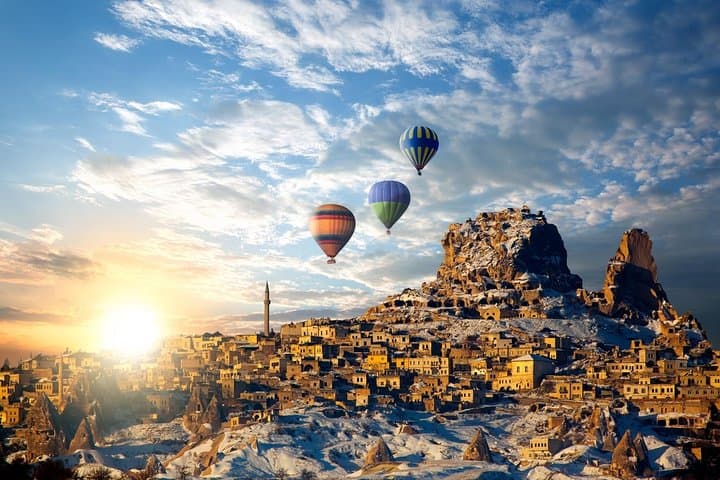
The basket lifts off before sunrise and the valley exhales. Hot-air balloons drift over a moonscape of stone—hunched chimneys, carved churches and the honey-colored roofs of Göreme—as if the land itself has been waiting for this light. For three days, the itinerary folds these quiet mornings into a practical circuit of Cappadocia’s most iconic sites: a cave-hotel night, a full day of guided exploration with a balloon flight, and a final sweep through underground cities and trekking valleys.
The basket lifts off before sunrise and the valley exhales. Hot-air balloons drift over a moonscape of stone—hunched chimneys, carved churches and the honey-colored roofs of Göreme—as if the land itself has been waiting for this light. For three days, the itinerary folds these quiet mornings into a practical circuit of Cappadocia’s most iconic sites: a cave-hotel night, a full day of guided exploration with a balloon flight, and a final sweep through underground cities and trekking valleys.
This is an area shaped by eruption and erosion. Layers of tuff, compressed volcanic ash from ancient eruptions of Erciyes and Hasan, were soft enough to be hollowed into dwellings and churches from the 9th to 13th centuries. Byzantine frescoes remain behind soot-darkened lintels, and pigeon houses pocked the cliffs to fertilize the vineyards below. The region’s human story runs just as deep: Hittites, Persians, Byzantines and early Christians all left traces in pottery, chapels and subterranean refuges.
A typical cadence: touch down, return to a superior cave hotel in Göreme, then set out by minibus with a local guide. Day two centers on the balloon (plan for a roughly 60-minute flight at dawn), followed by stops at Göreme Open-Air Museum (note: Dark Church may require a separate fee), Pasabag’s multi-stemmed pinnacles, Devrent’s rock formations and the pottery town of Avanos. Day three moves underground—to Kaymaklı or Özkonak’s multi-level tunnels—and finishes with a walk through Pigeon and Rose Valleys, where scrubby oaks and windswept ridges create short, varied treks (expect 4–6 km of hiking with gentle elevation change, roughly 150–250 m cumulative).
Practicalities are straightforward but important. Flights from Istanbul, Izmir or Antalya can be arranged; pick-up is available from Kayseri or Nevşehir airports. Balloons are weather-dependent—operators typically offer a USD 150 per-person refund if flights cancel for safety, but verify the supplier’s ticket issuance terms before domestic flight tickets are finalized. Early mornings are cold even in summer; layers, sturdy shoes and a headlamp for pre-dawn transfers matter.
Bring cash for small purchases in Avanos and tips for guides and balloon crews. Expect some narrow, low-ceiling passages in the underground cities—those with claustrophobia should plan accordingly. The payoff is cinematic: sunlight slides across sculpted stone, spilling gold into cave rooms and lighting fresco faces that have seen a thousand suns. In Cappadocia, the landscape doesn’t just sit still for you—it moves alongside you, lifting you in a balloon and then letting you walk through the chapters of its history.