THE ADVENTURE COLLECTIVE® · Independent discovery and booking for outdoor travel

Spend a day moving through Cappadocia’s surreal rockwork, cave churches and craft towns on a guided shared tour. From Göreme Panorama to Avanos pottery, this 6–7 hour route packs geology, Byzantine history and hands-on culture into one practical day trip.
Spend a day moving through Cappadocia’s surreal rockwork, cave churches and craft towns on a guided shared tour. From Göreme Panorama to Avanos pottery, this 6–7 hour route packs geology, Byzantine history and hands-on culture into one practical day trip.
A low sun slants across sculpted rock as a minivan eases out of Göreme and the valley wakes around it: balloons stitch the sky, shepherd dogs pad between fairy chimneys, and the guide’s voice outlines a landscape that looks engineered by weather and time.
Verified experiences and guided adventures in the surrounding area.
Operated by Cappadocia local guide · Göreme, Nevşehir
A low sun slants across sculpted rock as a minivan eases out of Göreme and the valley wakes around it: balloons stitch the sky, shepherd dogs pad between fairy chimneys, and the guide’s voice outlines a landscape that looks engineered by weather and time.
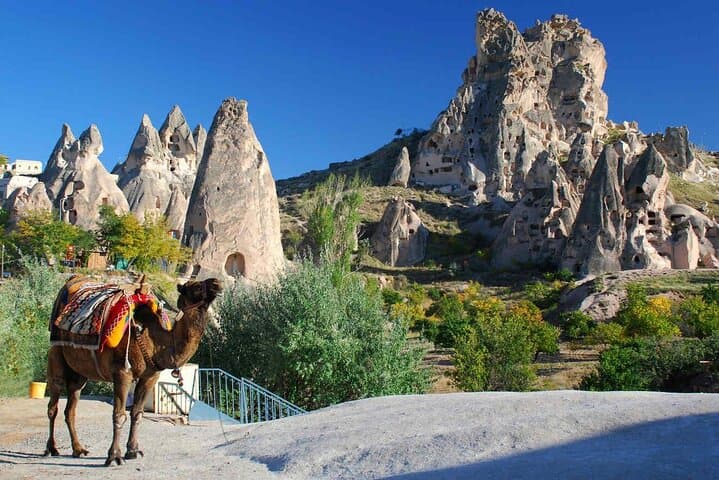
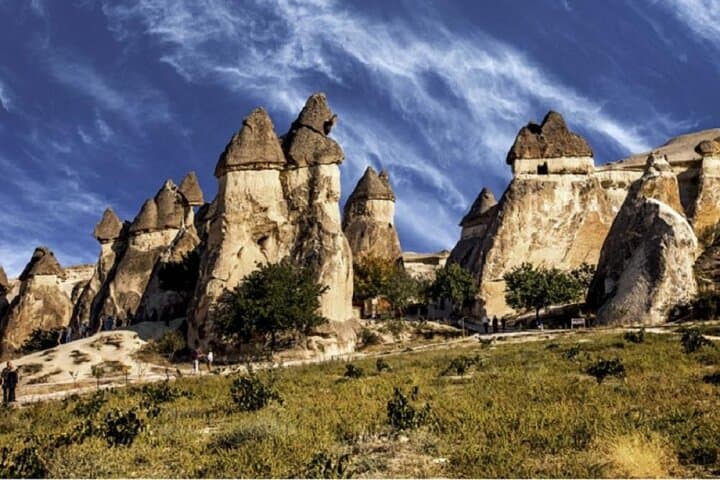
On this shared full-day outing—roughly 6–7 hours of guided stops and short walks—travellers move through Cappadocia’s most compact classroom of geology and culture. The day begins at panoramic ridgelines above Göreme, where wind-carved tuff towers into improbable columns. Those “fairy chimneys” are not whimsy but the product of ash and pumice laid down by ancient eruptions from Mount Erciyes and then sculpted by millennia of rain, freeze-thaw cycles and human hands.
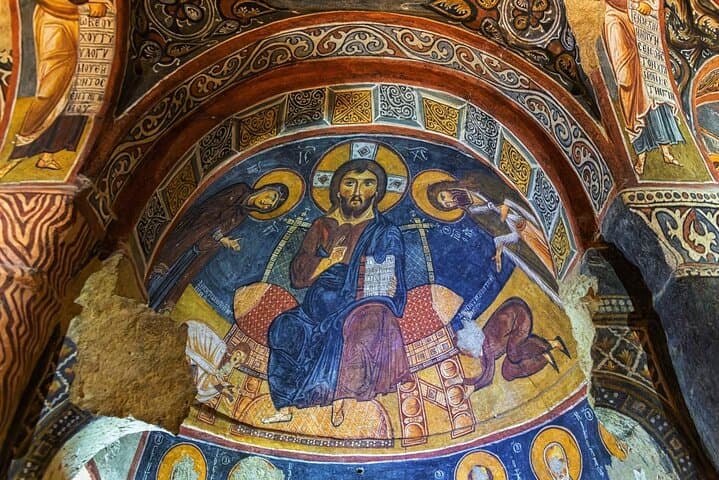
History here is literal: whole monasteries, churches and villages were hewn from soft rock. The Göreme Open-Air Museum collects Byzantine-era cave churches painted with ochre and lapis frescoes—small rooms that read like monastic apartments, their vaulted interiors preserved by the dry Anatolian air.
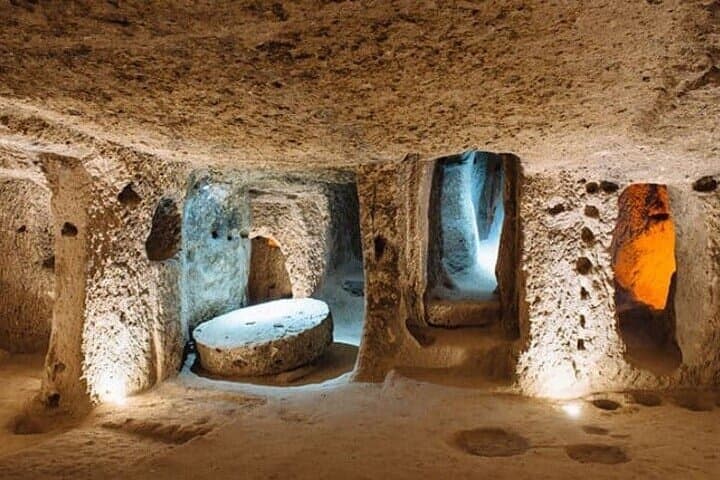
The tour threads through human stories, too. At Avanos, potters still mold red Kızılırmak clay on a kick-wheel, a craft tied to the river that’s fed towns for centuries. Pigeon Valley reveals the dovecotes carved into cliffs—pigeons were part fertilizer, part food storehouse—while underground settlements such as Özkonak demonstrate how communities excavated defensible, climate-stable homes.
Practicalities are straightforward. The shared tour picks up around the Cappadocia towns (Göreme, Ürgüp, Avanos, Uçhisar, Ortahisar) and runs in an air-conditioned vehicle with a licensed guide; groups cap near 14. Expect paved and unpaved paths, short staircases into rock-cut sites and uneven floors in the museum and underground city. The Open-Air Museum and many underground sites charge separate admission—bring cash or card.
Plan to wear sturdy walking shoes, sun protection and layered clothing—the high plateau swings from cool mornings to hot afternoons. Hydrate; the region is dry and exposed. Photography is best at sunrise or late afternoon when light grazes textured spires, but mid-day stops at Avanos let you capture artisans at work.
Accessibility and health notes: the tour requires moderate mobility—those with spinal or serious heart issues should avoid tight underground passages. Cancellation refunds default to full up to 24 hours prior. For a single day, the route delivers a concentrated map of Cappadocia’s geology, Byzantine architecture and living crafts—an efficient primer for anyone short on time but keen on context.
moderate.
6–7 hours.
Suitable for travelers with a moderate level of fitness who can handle several short walks, stairs and some uneven terrain
Admission is not included in the tour price; bring cash or card to pay the onsite fee.
You’ll likely see balloons from viewpoints like Göreme Panorama, but balloon rides are separate and must be booked independently.
Yes—pickup and drop-off cover hotels across the Cappadocia area including Göreme, Ürgüp and Avanos; confirm your pickup point at booking.
The underground passages are narrow and involve low ceilings and steps—people with mobility or serious heart/back issues should avoid going deep inside.
Lunch is generally not included; the tour will stop for a sit-down lunch where you can purchase local dishes.
This shared tour is capped at about 14 travelers for a balanced guide-to-guest ratio.
Cappadocia’s cave churches and underground settlements date primarily to Byzantine monastic communities who carved living and worship space into volcanic tuff.
The soft tuff erodes easily and frescoes are fragile; stay on marked paths, avoid climbing on formations and respect restricted areas to limit wear.
Cappadocia local guide operates guided outdoor trips and adventures with an emphasis on safety, stewardship, and memorable experiences.
A low sun slants across sculpted rock as a minivan eases out of Göreme and the valley wakes around it: balloons stitch the sky, shepherd dogs pad between fairy chimneys, and the guide’s voice outlines a landscape that looks engineered by weather and time.
A low sun slants across sculpted rock as a minivan eases out of Göreme and the valley wakes around it: balloons stitch the sky, shepherd dogs pad between fairy chimneys, and the guide’s voice outlines a landscape that looks engineered by weather and time.
On this shared full-day outing—roughly 6–7 hours of guided stops and short walks—travellers move through Cappadocia’s most compact classroom of geology and culture. The day begins at panoramic ridgelines above Göreme, where wind-carved tuff towers into improbable columns. Those “fairy chimneys” are not whimsy but the product of ash and pumice laid down by ancient eruptions from Mount Erciyes and then sculpted by millennia of rain, freeze-thaw cycles and human hands.
History here is literal: whole monasteries, churches and villages were hewn from soft rock. The Göreme Open-Air Museum collects Byzantine-era cave churches painted with ochre and lapis frescoes—small rooms that read like monastic apartments, their vaulted interiors preserved by the dry Anatolian air.
The tour threads through human stories, too. At Avanos, potters still mold red Kızılırmak clay on a kick-wheel, a craft tied to the river that’s fed towns for centuries. Pigeon Valley reveals the dovecotes carved into cliffs—pigeons were part fertilizer, part food storehouse—while underground settlements such as Özkonak demonstrate how communities excavated defensible, climate-stable homes.
Practicalities are straightforward. The shared tour picks up around the Cappadocia towns (Göreme, Ürgüp, Avanos, Uçhisar, Ortahisar) and runs in an air-conditioned vehicle with a licensed guide; groups cap near 14. Expect paved and unpaved paths, short staircases into rock-cut sites and uneven floors in the museum and underground city. The Open-Air Museum and many underground sites charge separate admission—bring cash or card.
Plan to wear sturdy walking shoes, sun protection and layered clothing—the high plateau swings from cool mornings to hot afternoons. Hydrate; the region is dry and exposed. Photography is best at sunrise or late afternoon when light grazes textured spires, but mid-day stops at Avanos let you capture artisans at work.
Accessibility and health notes: the tour requires moderate mobility—those with spinal or serious heart issues should avoid tight underground passages. Cancellation refunds default to full up to 24 hours prior. For a single day, the route delivers a concentrated map of Cappadocia’s geology, Byzantine architecture and living crafts—an efficient primer for anyone short on time but keen on context.