THE ADVENTURE COLLECTIVE® · Independent discovery and booking for outdoor travel

Spend a day tracing Cappadocia’s layered history—from wind-sculpted fairy chimneys to the cool, narrow corridors of Kaymaklı Underground City. This guided, private tour pairs geological spectacle with Byzantine rock-cut churches and practical tips for exploring both open valleys and subterranean chambers.
Spend a day tracing Cappadocia’s layered history—from wind-sculpted fairy chimneys to the cool, narrow corridors of Kaymaklı Underground City. This guided, private tour pairs geological spectacle with Byzantine rock-cut churches and practical tips for exploring both open valleys and subterranean chambers.
The tour begins before the sun fully warms central Anatolia: a minivan eases away from Göreme and the valley wakes in strips of mauve and ochre. Your driver threads along roads that skim the edges of eroded plateaus, and the landscape itself seems to lean in—chimneys, cones and hoodoos tilting like curious onlookers. By mid-morning you duck below the earth into Kaymaklı Underground City, where cold stone presses in and history becomes a tactile, breathing thing.
Verified experiences and guided adventures in the surrounding area.
Operated by Deren Koray Tourism · Göreme, Nevşehir
The tour begins before the sun fully warms central Anatolia: a minivan eases away from Göreme and the valley wakes in strips of mauve and ochre. Your driver threads along roads that skim the edges of eroded plateaus, and the landscape itself seems to lean in—chimneys, cones and hoodoos tilting like curious onlookers. By mid-morning you duck below the earth into Kaymaklı Underground City, where cold stone presses in and history becomes a tactile, breathing thing.
Cappadocia’s geology reads like a layered biography. Millennia ago eruptions from Erciyes, Hasandağ and Güllüdağ deposited thick sheets of soft tuff; wind and winter then carved the tuff into pillars and caps. People followed nature’s lead, carving homes, chapels and entire subterranean settlements into that forgiving rock. Kaymaklı, one of the largest such complexes, has corridors, storerooms and ventilation shafts used as refuge in periods of invasion—an architectural response to vulnerability.
Aboveground, Devrent Valley plays the region’s lighter role: small fairy chimneys arranged like a natural sculpture garden where erosion seems to have a sense of humor. Pashabağı, the Monks Valley, presents taller, mushroom-shaped pinnacles—some crowned by hard basalt that protects the softer tuff beneath. Between formations you’ll notice human marks too: millennia of shepherding, small-scale viticulture and the more recent conversion of cave homes into boutique pensions and cafés in Göreme.
The Göreme Open-Air Museum closes the loop: rock-cut churches and frescoed naves from the 10th–13th centuries. The frescoes’ pigments have faded, but the narrative panels—saints, parables, judgment scenes—still anchor a Christian monastic life carved into volcanic stone.
Practical edge: this is a driven tour with short walks at each stop—expect 10–60 minute strolls and some stooping in underground passages. Wear grippy shoes; Kaymaklı’s floors are uneven and dim. The tour includes bottled water, lunch and an air-conditioned vehicle; the Dark Church at Göreme is excluded and requires a separate fee. If you’re prone to claustrophobia, skip the deepest levels of Kaymaklı or alert your guide ahead of time. For photographers, morning or late afternoon light is best—those hours push color into the rock and cut dramatic shadows across chimneys.
Timing and local tips: plan this early in your Cappadocia itinerary so you have context for the rest of the region. Bring cash for small museum fees and souvenirs, and leave time to walk in Göreme town after the tour—local rug shops and cave cafés are grounded, hospitable places to extend the day.
moderate.
5 hours.
Suitable for travelers with moderate fitness—short walks, some stairs and stooping in caves.
No—the Dark Church at Göreme requires an additional admission fee paid onsite; the main Göreme Open-Air Museum entry is included.
Expect short walks (0.5–1 km) at each site; Kaymaklı includes narrow corridors and several staircases—total walking is light to moderate.
No—Kaymaklı’s underground levels include steep, narrow passages and stairs; mobility-impaired travelers should notify the operator for alternatives.
Yes—lunch, bottled water and soft drinks are included and served during the tour.
Photography is generally allowed in the Göreme Open-Air Museum but flash may be prohibited to protect frescoes; follow signage and guide instructions.
Plan to be in your hotel lobby 15 minutes before the scheduled pickup; exact time depends on hotel location and operator coordination.
Cappadocia’s rock architecture began in prehistoric times as people carved homes into soft tuff; Byzantine monks later added churches whose frescoes date mainly from the 10th–13th centuries.
Erosion and visitor pressure shape management: stick to marked paths, avoid touching frescoes, and support local guides and small businesses to sustain community-based tourism.
Deren Koray Tourism operates guided outdoor trips and adventures with an emphasis on safety, stewardship, and memorable experiences.
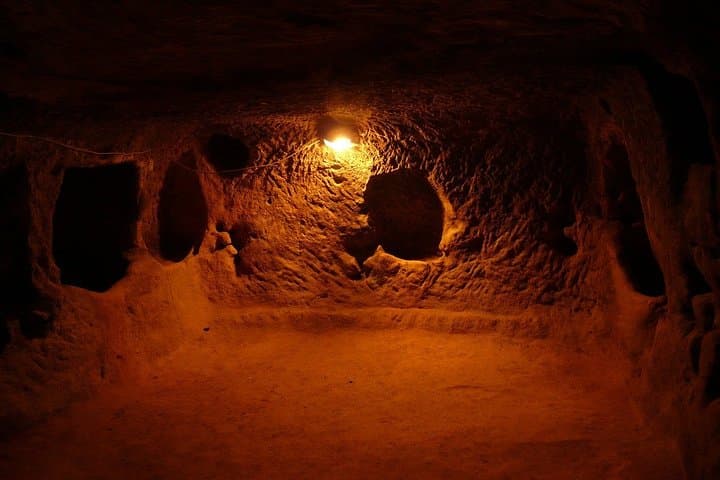


The tour begins before the sun fully warms central Anatolia: a minivan eases away from Göreme and the valley wakes in strips of mauve and ochre. Your driver threads along roads that skim the edges of eroded plateaus, and the landscape itself seems to lean in—chimneys, cones and hoodoos tilting like curious onlookers. By mid-morning you duck below the earth into Kaymaklı Underground City, where cold stone presses in and history becomes a tactile, breathing thing.
The tour begins before the sun fully warms central Anatolia: a minivan eases away from Göreme and the valley wakes in strips of mauve and ochre. Your driver threads along roads that skim the edges of eroded plateaus, and the landscape itself seems to lean in—chimneys, cones and hoodoos tilting like curious onlookers. By mid-morning you duck below the earth into Kaymaklı Underground City, where cold stone presses in and history becomes a tactile, breathing thing.
Cappadocia’s geology reads like a layered biography. Millennia ago eruptions from Erciyes, Hasandağ and Güllüdağ deposited thick sheets of soft tuff; wind and winter then carved the tuff into pillars and caps. People followed nature’s lead, carving homes, chapels and entire subterranean settlements into that forgiving rock. Kaymaklı, one of the largest such complexes, has corridors, storerooms and ventilation shafts used as refuge in periods of invasion—an architectural response to vulnerability.
Aboveground, Devrent Valley plays the region’s lighter role: small fairy chimneys arranged like a natural sculpture garden where erosion seems to have a sense of humor. Pashabağı, the Monks Valley, presents taller, mushroom-shaped pinnacles—some crowned by hard basalt that protects the softer tuff beneath. Between formations you’ll notice human marks too: millennia of shepherding, small-scale viticulture and the more recent conversion of cave homes into boutique pensions and cafés in Göreme.
The Göreme Open-Air Museum closes the loop: rock-cut churches and frescoed naves from the 10th–13th centuries. The frescoes’ pigments have faded, but the narrative panels—saints, parables, judgment scenes—still anchor a Christian monastic life carved into volcanic stone.
Practical edge: this is a driven tour with short walks at each stop—expect 10–60 minute strolls and some stooping in underground passages. Wear grippy shoes; Kaymaklı’s floors are uneven and dim. The tour includes bottled water, lunch and an air-conditioned vehicle; the Dark Church at Göreme is excluded and requires a separate fee. If you’re prone to claustrophobia, skip the deepest levels of Kaymaklı or alert your guide ahead of time. For photographers, morning or late afternoon light is best—those hours push color into the rock and cut dramatic shadows across chimneys.
Timing and local tips: plan this early in your Cappadocia itinerary so you have context for the rest of the region. Bring cash for small museum fees and souvenirs, and leave time to walk in Göreme town after the tour—local rug shops and cave cafés are grounded, hospitable places to extend the day.