THE ADVENTURE COLLECTIVE® · Independent discovery and booking for outdoor travel

Spend a day moving from sculpted rock pillars to underground chambers on a guided Cappadocia tour that combines Devrent, Zelve, Avanos and Ozkonak. Expect moderate walking, pottery demos and a deep dive into the region's geological and cultural history.
Spend a day moving from sculpted rock pillars to underground chambers on a guided Cappadocia tour that combines Devrent, Zelve, Avanos and Ozkonak. Expect moderate walking, pottery demos and a deep dive into the region's geological and cultural history.
You step from an air-conditioned minivan onto a wind-scraped plain and the land rearranges itself: honey‑colored pillars, squat cones and sculpted ridges rise like a geology lesson set to opera. The guide calls it fairy chimneys, but the formations are less whimsical than stubborn—volcanic tuff worn by rain and wind into columns that still hold the hollows where people carved homes and churches.
Verified experiences and guided adventures in the surrounding area.
Operated by Northwest Tour · Göreme, Nevşehir
You step from an air-conditioned minivan onto a wind-scraped plain and the land rearranges itself: honey‑colored pillars, squat cones and sculpted ridges rise like a geology lesson set to opera. The guide calls it fairy chimneys, but the formations are less whimsical than stubborn—volcanic tuff worn by rain and wind into columns that still hold the hollows where people carved homes and churches.
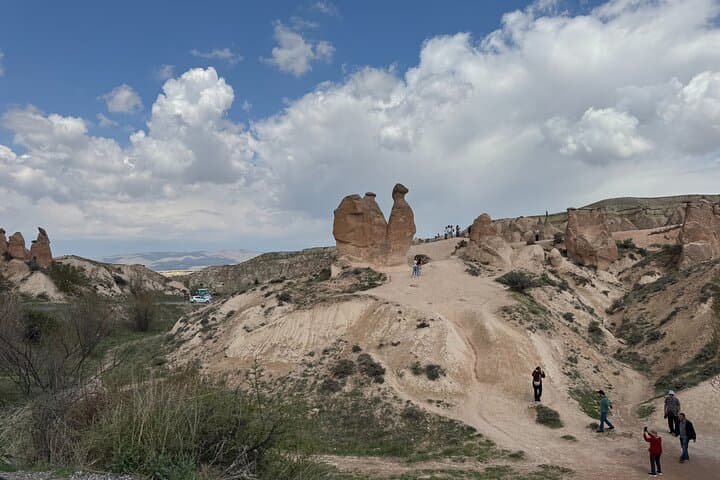
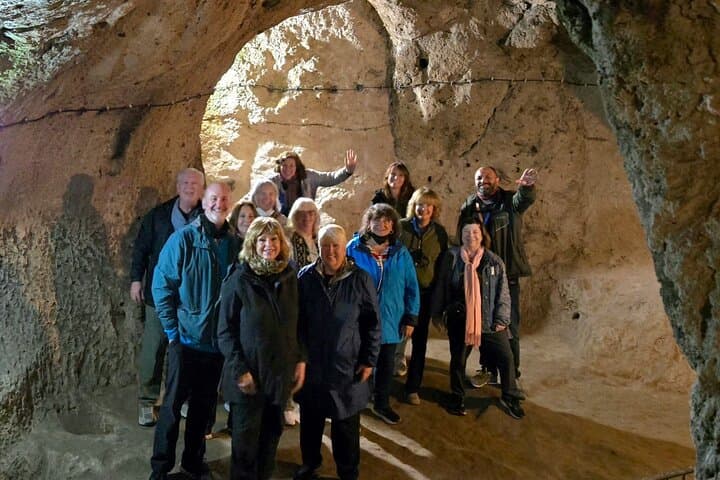
This full-day Red and Blue Tour strings together Cappadocia’s archetypal scenes and quieter corners. Morning light favors Devrent Valley’s odd silhouettes, where rock shapes seem to deliberate their poses. At Zelve Open‑Air Museum you move through three interconnected valleys of abandoned cave dwellings and rock-cut churches, where layered eruptions and millennia of erosion read like pages of regional geology. Midday brings Avanos, the riverside town on the Kızılırmak, with a hands-on pottery workshop that ties continuous local craft to the river’s clay. The tour finishes with an ascent into Ozkonak Underground City, a cool labyrinth built into Mt. Idis where ventilation shafts, narrow passages and trap mechanisms reveal how communities retreated and survived.
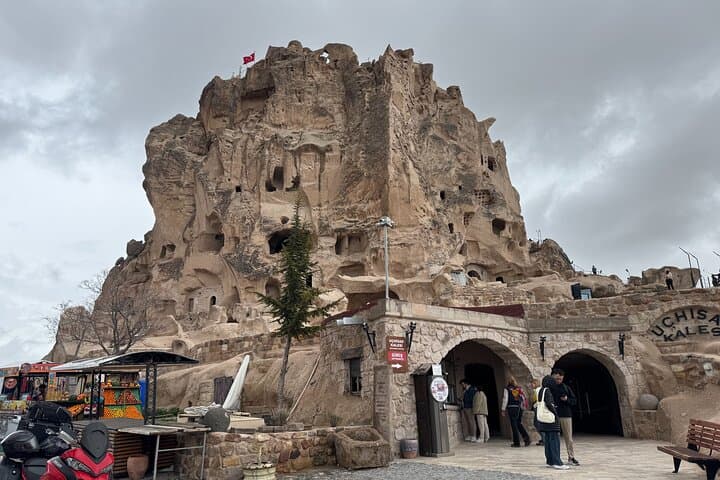
Cappadocia’s story folds geology into human history: 10–20 million years ago, eruptions laid down soft ash, later compacted into tuff. Locals carved that softness into livable spaces and defensive refuges from Byzantine times through the Ottoman era. Avanos preserves a living link to that ingenuity—potters work the same clay traditions used for centuries.
Practical edge: expect 6–7 hours on this private small‑group itinerary with short walks totaling a few kilometers over uneven surfaces and steps. Trails through Pigeon and Rose Valleys are mostly gentle but include loose scree and exposed stretches; underground city corridors are low and can be narrow. Temperatures swing—subterranean chambers stay cool, open valleys bake in summer sun.
Plan ahead: wear sturdy, closed shoes with good traction, carry 1–2 liters of water, and have layered clothing for temperature shifts. Go early in high season to avoid crowds at major viewpoints and reserve the pottery demo if you want hands‑on time. The guide handles tickets and transfers; bring cash for small buys and tips.
This tour is compact storytelling: a geological primer, living craft demonstration and a plunge into subterranean ingenuity. For first‑time visitors it’s an efficient way to read Cappadocia at both eye level and below the ground, with room to pause for photos where the rock seems to hold its breath.
moderate.
6–7 hours.
Moderate fitness required: able to walk several short hikes over uneven terrain and climb stairs in underground sites.
The itinerary runs about 6–7 hours, with guided visits and short walks at each stop.
Admission is included as part of the tour experience; the guide will handle tickets and entry.
Yes—the tour includes a pottery workshop demonstration and an opportunity to try the wheel, though hands‑on time may be brief in busy periods.
Most walks are short and moderate; expect uneven terrain and stairs in the underground city but no technical climbing.
You can note special requirements at booking; inform the operator ahead of time for mobility assistance or dietary requests.
Full refunds are available if you cancel at least 24 hours before departure; cancellations within 24 hours are not refundable.
Cappadocia’s cave habitations and underground cities were carved from soft volcanic tuff over centuries and used by early Christians and local communities for shelter and defense.
Visitors should stay on marked paths to protect fragile tuff formations and avoid removing stones; local operators encourage responsible photography and support community artisans.
Northwest Tour operates guided outdoor trips and adventures with an emphasis on safety, stewardship, and memorable experiences.
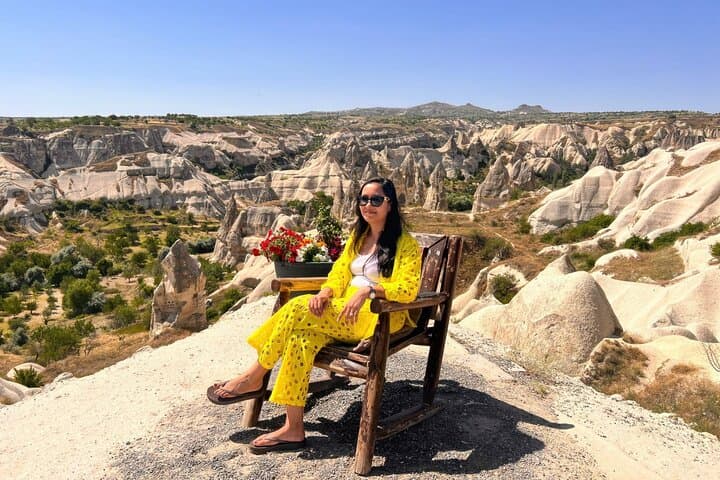
You step from an air-conditioned minivan onto a wind-scraped plain and the land rearranges itself: honey‑colored pillars, squat cones and sculpted ridges rise like a geology lesson set to opera. The guide calls it fairy chimneys, but the formations are less whimsical than stubborn—volcanic tuff worn by rain and wind into columns that still hold the hollows where people carved homes and churches.
You step from an air-conditioned minivan onto a wind-scraped plain and the land rearranges itself: honey‑colored pillars, squat cones and sculpted ridges rise like a geology lesson set to opera. The guide calls it fairy chimneys, but the formations are less whimsical than stubborn—volcanic tuff worn by rain and wind into columns that still hold the hollows where people carved homes and churches.
This full-day Red and Blue Tour strings together Cappadocia’s archetypal scenes and quieter corners. Morning light favors Devrent Valley’s odd silhouettes, where rock shapes seem to deliberate their poses. At Zelve Open‑Air Museum you move through three interconnected valleys of abandoned cave dwellings and rock-cut churches, where layered eruptions and millennia of erosion read like pages of regional geology. Midday brings Avanos, the riverside town on the Kızılırmak, with a hands-on pottery workshop that ties continuous local craft to the river’s clay. The tour finishes with an ascent into Ozkonak Underground City, a cool labyrinth built into Mt. Idis where ventilation shafts, narrow passages and trap mechanisms reveal how communities retreated and survived.
Cappadocia’s story folds geology into human history: 10–20 million years ago, eruptions laid down soft ash, later compacted into tuff. Locals carved that softness into livable spaces and defensive refuges from Byzantine times through the Ottoman era. Avanos preserves a living link to that ingenuity—potters work the same clay traditions used for centuries.
Practical edge: expect 6–7 hours on this private small‑group itinerary with short walks totaling a few kilometers over uneven surfaces and steps. Trails through Pigeon and Rose Valleys are mostly gentle but include loose scree and exposed stretches; underground city corridors are low and can be narrow. Temperatures swing—subterranean chambers stay cool, open valleys bake in summer sun.
Plan ahead: wear sturdy, closed shoes with good traction, carry 1–2 liters of water, and have layered clothing for temperature shifts. Go early in high season to avoid crowds at major viewpoints and reserve the pottery demo if you want hands‑on time. The guide handles tickets and transfers; bring cash for small buys and tips.
This tour is compact storytelling: a geological primer, living craft demonstration and a plunge into subterranean ingenuity. For first‑time visitors it’s an efficient way to read Cappadocia at both eye level and below the ground, with room to pause for photos where the rock seems to hold its breath.