THE ADVENTURE COLLECTIVE® · Independent discovery and booking for outdoor travel

Spend a full day tracing Cappadocia’s volcanic imagination—fairy chimneys, subterranean cities and panoramic ridgelines—from Göreme to Uçhisar. This shared Green & Red tour combines geology, living craft and local history with convenient hotel pickup.
Spend a full day tracing Cappadocia’s volcanic imagination—fairy chimneys, subterranean cities and panoramic ridgelines—from Göreme to Uçhisar. This shared Green & Red tour combines geology, living craft and local history with convenient hotel pickup.
You step off the minivan before sunrise and the landscape greets you like a slow-motion revelation—soft volcanic spires rising from a winter-baked plain, gullies carved by water that still seems to be dreaming. The guide folds a map across her knee but mostly watches the light, pointing where the valley opens into strange stone teeth and cave windows. This is Cappadocia on a full-day rhythm: a string of geological oddities, lived-in caves, and towns that learned to build inside the land instead of on top of it.
Verified experiences and guided adventures in the surrounding area.
Operated by Cappadocia Phoenix Travel · Göreme, Nevşehir
You step off the minivan before sunrise and the landscape greets you like a slow-motion revelation—soft volcanic spires rising from a winter-baked plain, gullies carved by water that still seems to be dreaming. The guide folds a map across her knee but mostly watches the light, pointing where the valley opens into strange stone teeth and cave windows. This is Cappadocia on a full-day rhythm: a string of geological oddities, lived-in caves, and towns that learned to build inside the land instead of on top of it.
The Green and Red Combined Tour stitches together two classic regional circuits. The “red” half wanders around Göreme, Devrent’s imaginary silhouettes and Pasabag’s mushroom-shaped chimneys; the “green” half dips into the subterranean logic of Özkonak and climbs to Uçhisar Castle for a panoramic accounting of the volcanic flows that gave these forms to the world. Human history here is layered like the tuff itself—Hittite outposts, Byzantine monastic cells, and later Ottoman villages all repurposed the soft rock. Underground cities such as Özkonak were engineered responses to threat: ventilation shafts, rolling stone doors and narrow escape tunnels that read like premodern urban planning.
Geology explains the drama. Millions of years of eruptions blanketed central Anatolia in ash, which became tuff—a softer rock that wind and rain carved into fairy chimneys. Locals learned to sculpt rooms, chapels and granaries into that pliant stone, producing a landscape where architecture flows into the hillside.
Cultural notes: Avanos, on the Red River, remains the pottery hub—you’ll sit at a wheel and feel how centuries of clay craft still anchor daily life. The guide will also point out stone-carved pigeon houses and terraces once used to store grain—small inventions that fed large communities.
Practical edge: expect 7–8 hours with hotel pickup and drop-off. Walking is light to moderate—rocky paths, short stair climbs and uneven surfaces inside Uçhisar and Özkonak require steady shoes and basic mobility. There are restroom stops and a pottery workshop break; bring cash for small purchases, museum fees, and tips.
Timing matters: early morning light and late afternoon cast the chimneys in dramatic relief and bring the balloon fleets overhead. In summer aim for earlier departures to avoid midday heat; in cooler months layer up—mornings are crisp and wind can push across the plateaus. Respect fragile rock faces, stay on designated paths and follow your guide’s safety instructions inside the underground city.
This is a tour that alternates between wonder and context—walking among geologic actors, then learning the human stories carved into them. It’s a day designed for curiosity: bring good shoes, a charged camera, and a readiness to let the land direct your pace.
moderate.
7–8 hours.
Suitable for travelers with average fitness—ability to walk 2–4 miles total over uneven ground and climb short stone stairs is required.
No—balloon flights are a separate activity booked directly with operators; this tour takes you to viewpoints where balloons often fly overhead.
Some transport and viewpoints are accessible, but many sites—Uçhisar, underground city stairs and some valleys—have uneven surfaces and steps; check with the operator for specific accessibility needs.
Admission is typically not included; bring cash or card for museum and underground city fees as noted by the guide.
Guides usually speak English and may offer other languages depending on the group—confirm language options at booking.
The tour includes stops with time for lunch at local restaurants; food is not usually included in the price, so budget for a midday meal.
Full refund if you cancel at least 24 hours before departure; bad weather or insufficient travelers may also prompt cancellation with refund.
Cappadocia’s cave towns and underground cities were shaped by successive civilizations—Hittites, early Christians and later Ottoman villagers—who adapted architecture to soft volcanic tuff.
Visitor impact and erosion are ongoing concerns; stick to designated paths, support local conservation-minded guides and minimize plastic use to protect fragile rock formations.
Cappadocia Phoenix Travel operates guided outdoor trips and adventures with an emphasis on safety, stewardship, and memorable experiences.
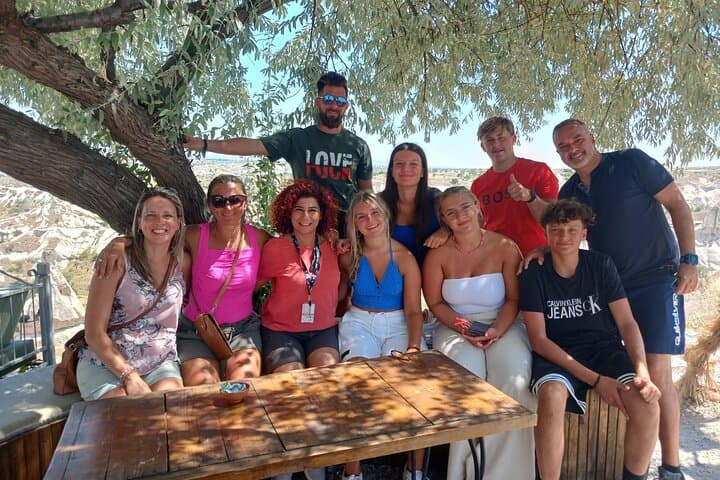
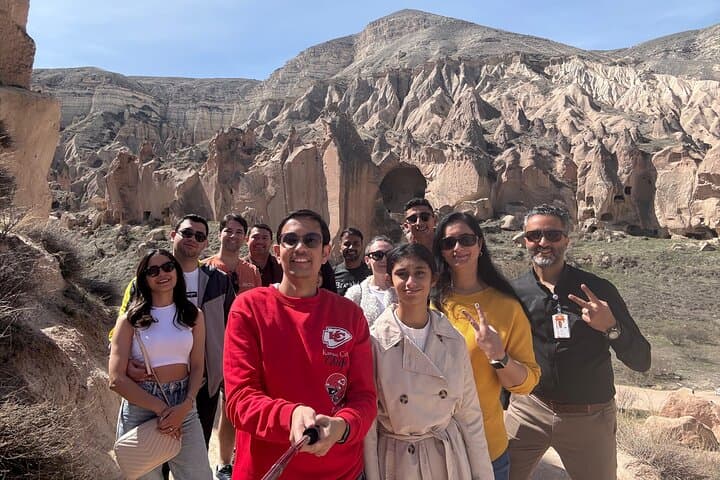
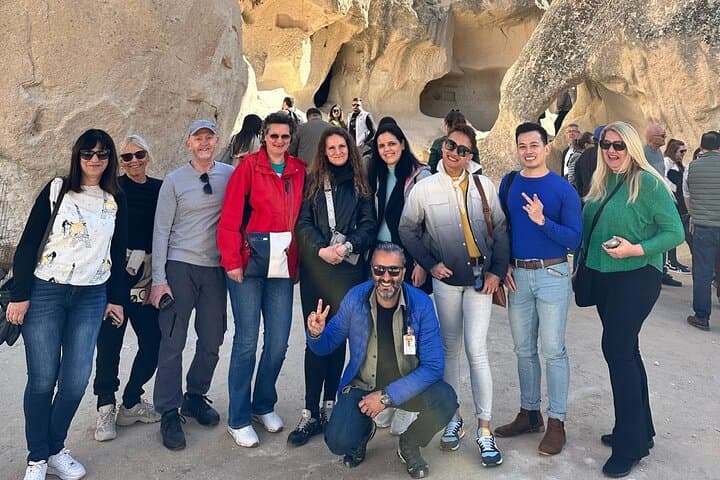
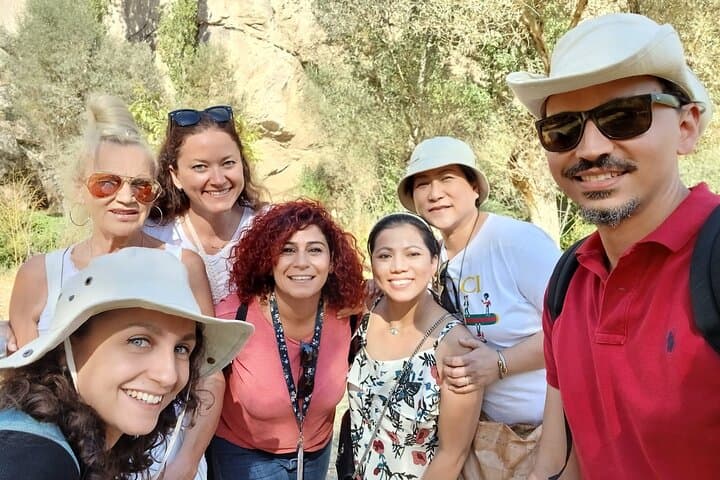
You step off the minivan before sunrise and the landscape greets you like a slow-motion revelation—soft volcanic spires rising from a winter-baked plain, gullies carved by water that still seems to be dreaming. The guide folds a map across her knee but mostly watches the light, pointing where the valley opens into strange stone teeth and cave windows. This is Cappadocia on a full-day rhythm: a string of geological oddities, lived-in caves, and towns that learned to build inside the land instead of on top of it.
You step off the minivan before sunrise and the landscape greets you like a slow-motion revelation—soft volcanic spires rising from a winter-baked plain, gullies carved by water that still seems to be dreaming. The guide folds a map across her knee but mostly watches the light, pointing where the valley opens into strange stone teeth and cave windows. This is Cappadocia on a full-day rhythm: a string of geological oddities, lived-in caves, and towns that learned to build inside the land instead of on top of it.
The Green and Red Combined Tour stitches together two classic regional circuits. The “red” half wanders around Göreme, Devrent’s imaginary silhouettes and Pasabag’s mushroom-shaped chimneys; the “green” half dips into the subterranean logic of Özkonak and climbs to Uçhisar Castle for a panoramic accounting of the volcanic flows that gave these forms to the world. Human history here is layered like the tuff itself—Hittite outposts, Byzantine monastic cells, and later Ottoman villages all repurposed the soft rock. Underground cities such as Özkonak were engineered responses to threat: ventilation shafts, rolling stone doors and narrow escape tunnels that read like premodern urban planning.
Geology explains the drama. Millions of years of eruptions blanketed central Anatolia in ash, which became tuff—a softer rock that wind and rain carved into fairy chimneys. Locals learned to sculpt rooms, chapels and granaries into that pliant stone, producing a landscape where architecture flows into the hillside.
Cultural notes: Avanos, on the Red River, remains the pottery hub—you’ll sit at a wheel and feel how centuries of clay craft still anchor daily life. The guide will also point out stone-carved pigeon houses and terraces once used to store grain—small inventions that fed large communities.
Practical edge: expect 7–8 hours with hotel pickup and drop-off. Walking is light to moderate—rocky paths, short stair climbs and uneven surfaces inside Uçhisar and Özkonak require steady shoes and basic mobility. There are restroom stops and a pottery workshop break; bring cash for small purchases, museum fees, and tips.
Timing matters: early morning light and late afternoon cast the chimneys in dramatic relief and bring the balloon fleets overhead. In summer aim for earlier departures to avoid midday heat; in cooler months layer up—mornings are crisp and wind can push across the plateaus. Respect fragile rock faces, stay on designated paths and follow your guide’s safety instructions inside the underground city.
This is a tour that alternates between wonder and context—walking among geologic actors, then learning the human stories carved into them. It’s a day designed for curiosity: bring good shoes, a charged camera, and a readiness to let the land direct your pace.