THE ADVENTURE COLLECTIVE® · Independent discovery and booking for outdoor travel

Spend a day moving through Cappadocia’s carved stone world: fairy chimneys, underground cities and rock-cut churches brought to life by an English-speaking guide. This six-hour tour pairs geological wonder with Byzantine and biblical history, plus hands-on cultural stops in Avanos.
Spend a day moving through Cappadocia’s carved stone world: fairy chimneys, underground cities and rock-cut churches brought to life by an English-speaking guide. This six-hour tour pairs geological wonder with Byzantine and biblical history, plus hands-on cultural stops in Avanos.
A low sun slices across a landscape that looks older than memory: cones and pillars of pumice and tuff catch the light, throwing long shadows between caves hollowed by centuries of wind and water. You step from an air-conditioned van into a place where stone has been shaped into rooms, churches and entire underground towns — a terrain that seems to dare you to read its layers of history.
Verified experiences and guided adventures in the surrounding area.
Operated by I Am Cappadocia Tour & Travel · Göreme, Nevşehir Province
A low sun slices across a landscape that looks older than memory: cones and pillars of pumice and tuff catch the light, throwing long shadows between caves hollowed by centuries of wind and water. You step from an air-conditioned van into a place where stone has been shaped into rooms, churches and entire underground towns — a terrain that seems to dare you to read its layers of history.
This six-hour circuit moves briskly through Cappadocia’s most compelling sites. Devrent (Imagination) Valley opens the day with whimsical stone figures — chimneys that seem to grin, arches that suggest animal shapes. At Paşabağ (St. Simeon or Monks Valley) the double- and triple-headed fairy chimneys loom like carved columns, their caps keeping watch over narrow trails.
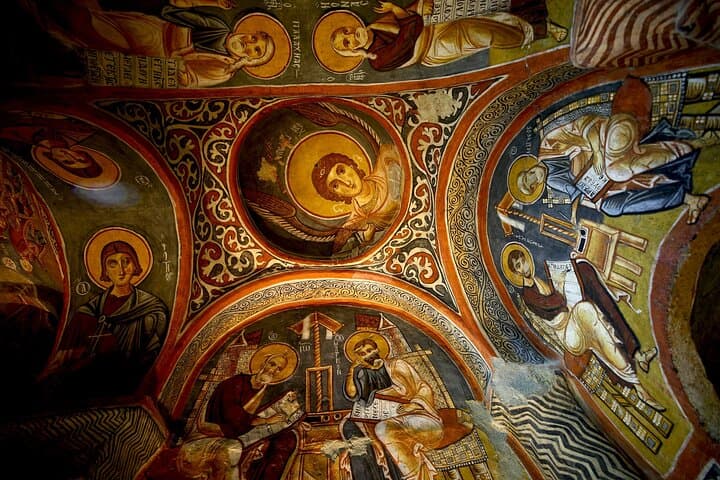
The region’s story is geological as much as human. Volcanic eruptions millions of years ago laid down ash and tuff; subsequent erosion carved the soft rock into pillars and caves. Humans arrived and turned those hollows into dwellings, churches and monasteries. By the Byzantine period Cappadocia was a crucible of early Christian practice; rock-cut churches preserve faded frescoes that still read like handwritten notes from the past.
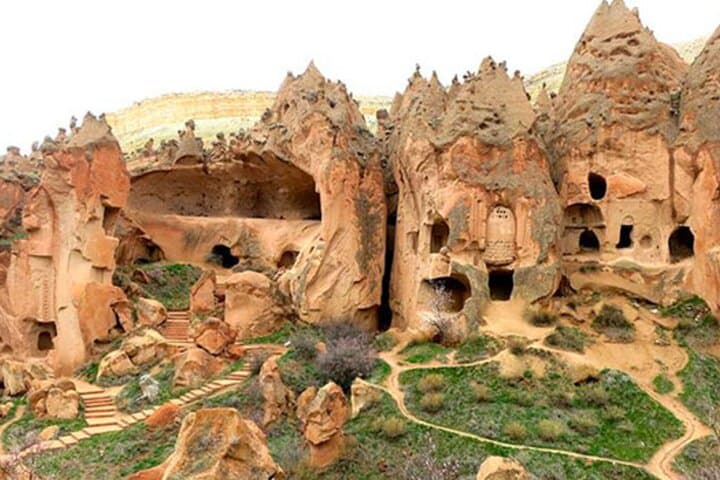
Descending into Özkonak Underground City is a reminder of practical ingenuity: narrow tunnels, hidden rooms and defensive features built to shelter communities from invasion. Zelve Open Air Museum maps a later phase — a once-inhabited settlement where daily life continued in cave homes until the 20th century.
Interspersed with geology and history are cultural moments: a stop in Avanos for pottery shows hands at the wheel, and a pause for Menengiç coffee and homemade pastries at a hilltop cafe where locals gather. Guides tie these pieces together, translating stone and story into a readable route.
Practicalities: the tour runs about six hours, with comfortable vehicle transfers and short on-foot segments at each site. Wear sturdy shoes for uneven terrain, bring water and a sun hat — summers are hot and winters can be brisk at altitude. Expect gentle walking rather than a demanding hike; modest mobility restrictions are manageable but some narrow stairs and slopes exist in the underground city.
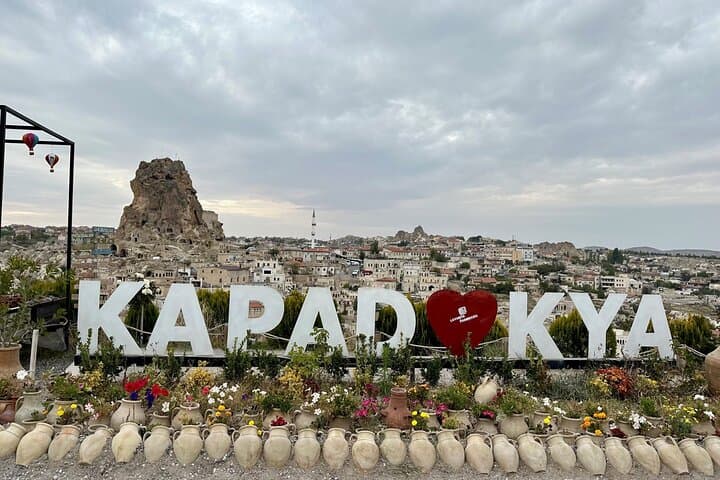
Timing matters: mornings are quieter at the popular overlooks and light is best an hour after sunrise. Photography rewards those who move between viewpoints — Uchisar castle for panoramas, Devrent for abstract compositions, and Paşabağ for dramatic chimney portraits.
This day tour is an efficient way to see Cappadocia’s geological theater and layered human history in a single, well-paced day — practical, interpretive, and built for travelers who want context as much as spectacle.
moderate.
6 hours.
Suitable for travelers in average fitness; involves short walks, stairs and uneven ground but not technical exertion.
The tour is approximately six hours from pickup to drop-off.
Typical stops listed require standard admissions; confirm with operator if entrance fees are included in your booking.
Yes — pickups are available in Göreme, Uçhisar, Ürgüp, Avanos and Nevşehir; confirm your exact pickup location at booking.
Yes; the tour is rated physically easy to moderate, but note narrow passages in underground cities and limited stroller access in some areas.
Some tunnels are low and narrow; people with claustrophobia should consider skipping that stop or notifying the guide for alternatives.
Early morning through golden hour provides the best directional light and fewer crowds for panoramic and detail shots.
Cappadocia’s rock architecture stems from volcanic tuff shaped over millennia; Byzantine Christians carved churches and communities into the stone and used underground cities as refuge from invaders.
High visitor traffic accelerates erosion of fragile soft-rock formations and frescoes; stay on marked paths, avoid climbing chimneys and follow site-specific rules to protect fragile cultural features.
I Am Cappadocia Tour & Travel operates guided outdoor trips and adventures with an emphasis on safety, stewardship, and memorable experiences.
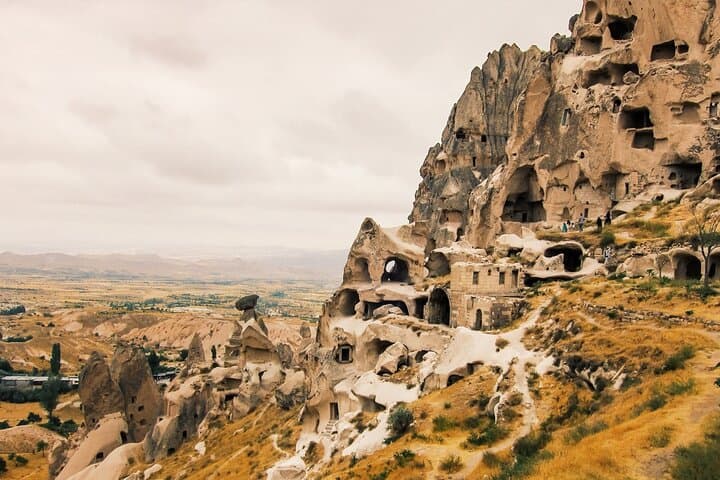
A low sun slices across a landscape that looks older than memory: cones and pillars of pumice and tuff catch the light, throwing long shadows between caves hollowed by centuries of wind and water. You step from an air-conditioned van into a place where stone has been shaped into rooms, churches and entire underground towns — a terrain that seems to dare you to read its layers of history.
A low sun slices across a landscape that looks older than memory: cones and pillars of pumice and tuff catch the light, throwing long shadows between caves hollowed by centuries of wind and water. You step from an air-conditioned van into a place where stone has been shaped into rooms, churches and entire underground towns — a terrain that seems to dare you to read its layers of history.
This six-hour circuit moves briskly through Cappadocia’s most compelling sites. Devrent (Imagination) Valley opens the day with whimsical stone figures — chimneys that seem to grin, arches that suggest animal shapes. At Paşabağ (St. Simeon or Monks Valley) the double- and triple-headed fairy chimneys loom like carved columns, their caps keeping watch over narrow trails.
The region’s story is geological as much as human. Volcanic eruptions millions of years ago laid down ash and tuff; subsequent erosion carved the soft rock into pillars and caves. Humans arrived and turned those hollows into dwellings, churches and monasteries. By the Byzantine period Cappadocia was a crucible of early Christian practice; rock-cut churches preserve faded frescoes that still read like handwritten notes from the past.
Descending into Özkonak Underground City is a reminder of practical ingenuity: narrow tunnels, hidden rooms and defensive features built to shelter communities from invasion. Zelve Open Air Museum maps a later phase — a once-inhabited settlement where daily life continued in cave homes until the 20th century.
Interspersed with geology and history are cultural moments: a stop in Avanos for pottery shows hands at the wheel, and a pause for Menengiç coffee and homemade pastries at a hilltop cafe where locals gather. Guides tie these pieces together, translating stone and story into a readable route.
Practicalities: the tour runs about six hours, with comfortable vehicle transfers and short on-foot segments at each site. Wear sturdy shoes for uneven terrain, bring water and a sun hat — summers are hot and winters can be brisk at altitude. Expect gentle walking rather than a demanding hike; modest mobility restrictions are manageable but some narrow stairs and slopes exist in the underground city.
Timing matters: mornings are quieter at the popular overlooks and light is best an hour after sunrise. Photography rewards those who move between viewpoints — Uchisar castle for panoramas, Devrent for abstract compositions, and Paşabağ for dramatic chimney portraits.
This day tour is an efficient way to see Cappadocia’s geological theater and layered human history in a single, well-paced day — practical, interpretive, and built for travelers who want context as much as spectacle.