THE ADVENTURE COLLECTIVE® · Independent discovery and booking for outdoor travel

Spend a full day moving between Cappadocia’s iconic vistas and subterranean mysteries. This combined Red and Green itinerary pairs fairy chimneys, pottery towns, panoramic castles and an ancient underground city for a compact look at the region.
Spend a full day moving between Cappadocia’s iconic vistas and subterranean mysteries. This combined Red and Green itinerary pairs fairy chimneys, pottery towns, panoramic castles and an ancient underground city for a compact look at the region.
You step out of the minibus into a landscape that feels almost engineered by imagination: cones and columns of soft volcanic tuff rise like ancient chimneys, their weathered caps balancing wind-sculpted crowns. Morning light draws sharp shadows across Pasabag’s clustered pillars while distant valleys hold thin ribbons of dust where farmers tend terraces.
Verified experiences and guided adventures in the surrounding area.
Operated by Moira Travel Agency · Göreme, Nevşehir Province
You step out of the minibus into a landscape that feels almost engineered by imagination: cones and columns of soft volcanic tuff rise like ancient chimneys, their weathered caps balancing wind-sculpted crowns. Morning light draws sharp shadows across Pasabag’s clustered pillars while distant valleys hold thin ribbons of dust where farmers tend terraces.
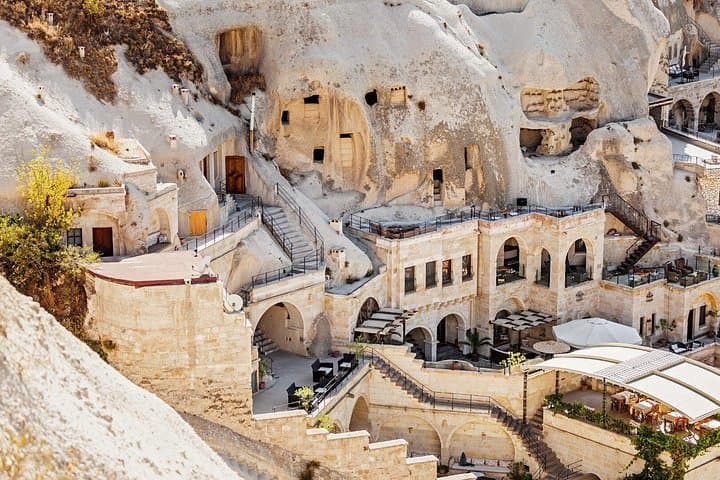
Cappadocia’s geology began with volcanic eruptions millions of years ago; layers of ash compacted into tuff, later carved by wind and rain into the fairy chimneys you’ll walk among. Human history here is layered the same way — Hittites, early Christians, and medieval communities carved homes, churches, and storage into stone. The Göreme Open Air Museum preserves frescoed chapels that speak to the region’s Byzantine monastic life, while underground cities reveal how people retreated below ground to survive invaders and winter storms.
Culturally, Avanos keeps a living craft tradition: potters still wheel red clay by hand on the river’s edge, a tactile counterpoint to the vast stone forms.
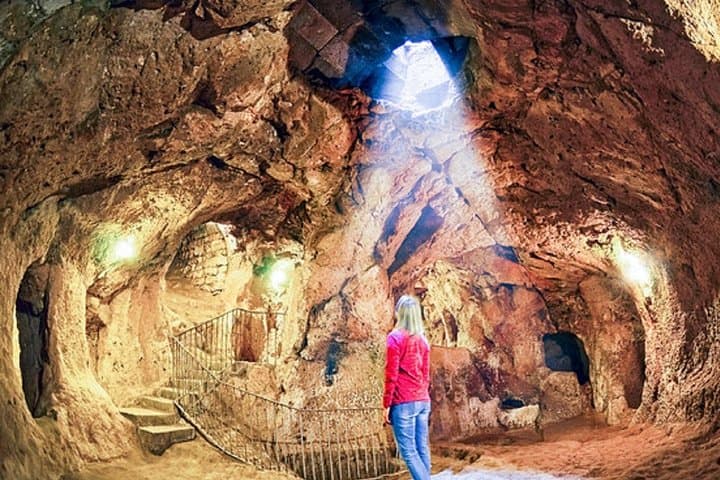
Practical side: expect 7–8 hours touring by van with short walks on uneven, dusty trails and steps inside cave churches and the underground city. Wear sturdy shoes, sun protection, and bring water; shaded spots are limited. Photography is constant but keep flash off in frescoed interiors. The underground passages are narrow and cool — those with claustrophobia should prepare to stay near the surface. Guides handle logistics and local context; timing may shift to avoid crowds. By day’s end you’ll have sampled Cappadocia’s open-air geology, carved cultural sites, and subterranean ingenuity — a compact, walkable primer on one of Turkey’s most singular landscapes.
moderate.
7–8 hours.
Suitable for travelers who can walk short to moderate distances on uneven ground and climb stairs; not technical but requires steady mobility.
Admission policies vary; many operators charge separate entrance fees for the Open Air Museum and some underground sites — confirm with your tour provider before arrival.
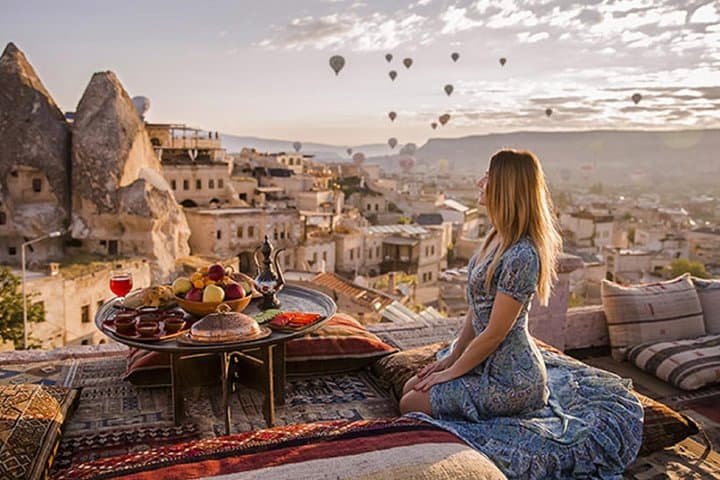
No — this is a ground-based full-day tour covering land sites; hot air balloon rides are separate and typically booked at sunrise.
The itinerary lists transportation and pickup options — expect hotel pickup in nearby towns, but confirm the exact pickup point when booking.
Underground passages involve narrow, stepped corridors and low ceilings; they are not suitable for those with significant mobility limitations.
People have carved dwellings and churches from Cappadocia’s soft tuff for millennia; underground cities served as refuges during invasions and religious persecution.
Erosion and visitor wear threaten fragile tuff formations and frescoes — follow marked paths, avoid touching painted surfaces, and support local guides who practice low-impact touring.
Moira Travel Agency operates guided outdoor trips and adventures with an emphasis on safety, stewardship, and memorable experiences.
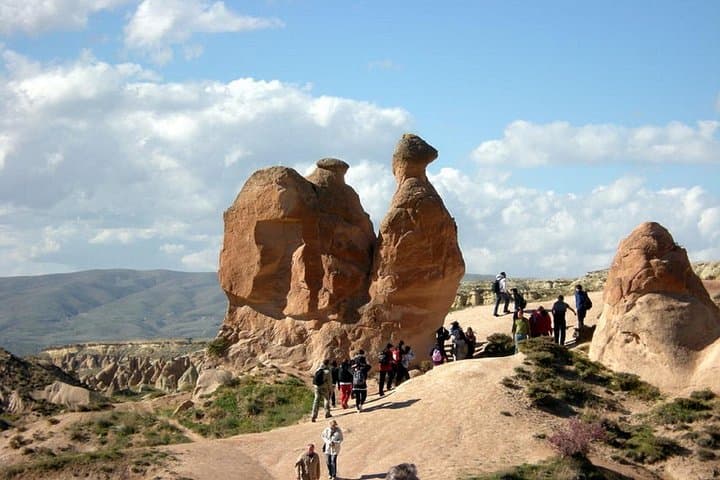
You step out of the minibus into a landscape that feels almost engineered by imagination: cones and columns of soft volcanic tuff rise like ancient chimneys, their weathered caps balancing wind-sculpted crowns. Morning light draws sharp shadows across Pasabag’s clustered pillars while distant valleys hold thin ribbons of dust where farmers tend terraces.
You step out of the minibus into a landscape that feels almost engineered by imagination: cones and columns of soft volcanic tuff rise like ancient chimneys, their weathered caps balancing wind-sculpted crowns. Morning light draws sharp shadows across Pasabag’s clustered pillars while distant valleys hold thin ribbons of dust where farmers tend terraces.
Cappadocia’s geology began with volcanic eruptions millions of years ago; layers of ash compacted into tuff, later carved by wind and rain into the fairy chimneys you’ll walk among. Human history here is layered the same way — Hittites, early Christians, and medieval communities carved homes, churches, and storage into stone. The Göreme Open Air Museum preserves frescoed chapels that speak to the region’s Byzantine monastic life, while underground cities reveal how people retreated below ground to survive invaders and winter storms.
Culturally, Avanos keeps a living craft tradition: potters still wheel red clay by hand on the river’s edge, a tactile counterpoint to the vast stone forms.
Practical side: expect 7–8 hours touring by van with short walks on uneven, dusty trails and steps inside cave churches and the underground city. Wear sturdy shoes, sun protection, and bring water; shaded spots are limited. Photography is constant but keep flash off in frescoed interiors. The underground passages are narrow and cool — those with claustrophobia should prepare to stay near the surface. Guides handle logistics and local context; timing may shift to avoid crowds. By day’s end you’ll have sampled Cappadocia’s open-air geology, carved cultural sites, and subterranean ingenuity — a compact, walkable primer on one of Turkey’s most singular landscapes.