THE ADVENTURE COLLECTIVE® · Independent discovery and booking for outdoor travel

Saddle up for a measured, low-impact way to traverse Cappadocia’s otherworldly valleys. This camel ride pairs living history with dramatic views—best at sunrise with balloons overhead or at sunset when the formations glow.
Saddle up for a measured, low-impact way to traverse Cappadocia’s otherworldly valleys. This camel ride pairs living history with dramatic views—best at sunrise with balloons overhead or at sunset when the formations glow.
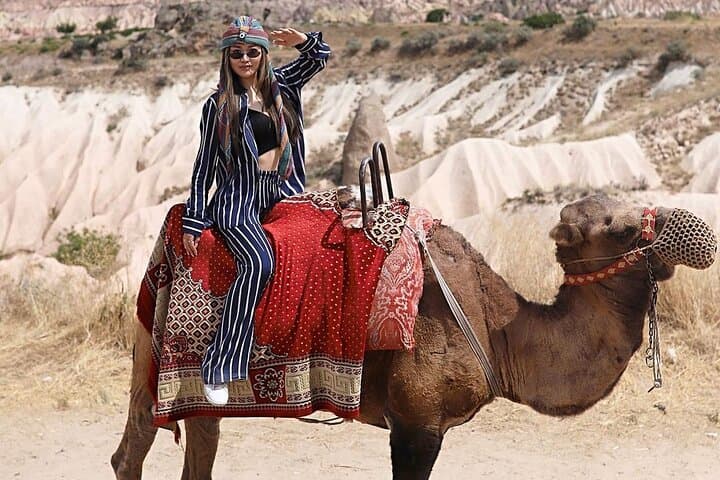
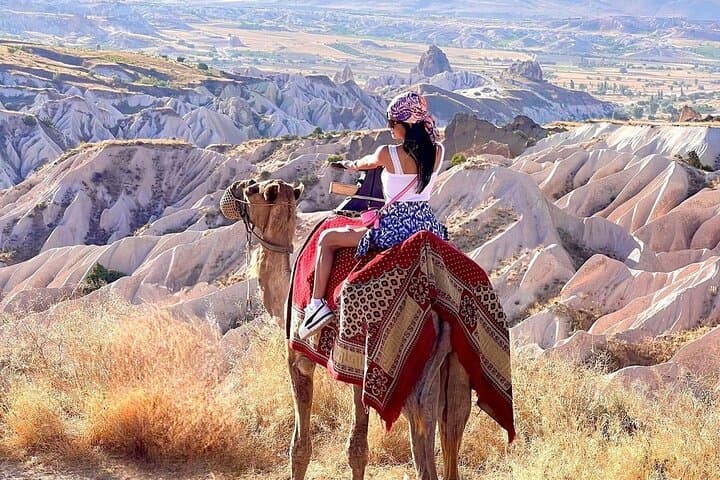
You climb into the saddle as the land exhales—wide, rocky valleys cut by ancient rivers, cones and spires firing shafts of late light. Camels lift and lower with a slow, surprisingly steady gait; the animal’s motion sets a rhythm that matches the quiet of Cappadocia’s open plains. If you time it at sunset or with the morning balloons, the sky becomes a stage: hot-air envelopes drifting above carved tuff pinnacles.
Verified experiences and guided adventures in the surrounding area.
Operated by NOYA Travels · Göreme, Nevşehir
You climb into the saddle as the land exhales—wide, rocky valleys cut by ancient rivers, cones and spires firing shafts of late light. Camels lift and lower with a slow, surprisingly steady gait; the animal’s motion sets a rhythm that matches the quiet of Cappadocia’s open plains. If you time it at sunset or with the morning balloons, the sky becomes a stage: hot-air envelopes drifting above carved tuff pinnacles.
This is a landscape shaped by volcanic ash and erosion over millions of years—soft tuff that local people carved into homes, chapels and entire underground towns. Camel treks echo the region’s caravan past: medieval trade routes threaded through Anatolia, where pack animals followed water and shelter. Guides on these ranch-led rides often share local stories about Göreme, the rock-cut churches and the Ottoman-era villages that dot the plateaus.
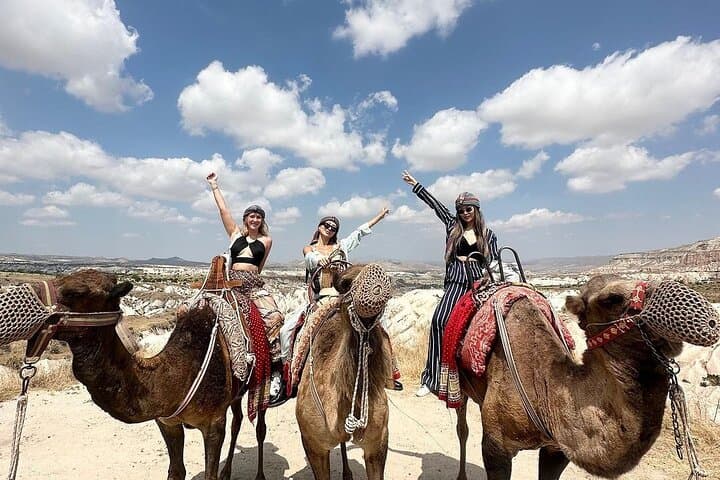
Expect short, gentle rides (many operators run about two hours total) across dirt tracks and goat paths with intermittent steps for mounting and dismounting. Terrain can be loose and uneven; footing on and off the camel requires attention. Photo stops are frequent—look for panoramic ledges, quiet pigeon houses and ruins carved into cliffs.
Practical guide: wear closed shoes with a secure sole, bring layered clothing for dawn or dusk temperature swings, and carry a small water bottle. Respect animal handlers’ directions, avoid sudden movements near camels, and keep group sizes moderate to limit trail erosion. For photographers, golden hour and early-morning balloon windows offer the best light; otherwise mid-morning provides softer heat and clearer lines on the formations.
easy.
2 hours.
Suitable for most fitness levels; you should be able to climb onto a saddle and walk short uneven sections.
Most organized camel experiences run about two hours including transfers and a short orientation; riding time is typically 30–90 minutes depending on the route.
Children can usually participate but infants must sit on a lap; this specific tour is not recommended for pregnant travelers—check operator policies before booking.
Balloon visibility depends on timing and weather; sunrise bookings are most likely to see balloons, but sightings are not guaranteed.
Yes—local ranches employ trained guides and handlers who brief riders on safety and camel care before departure.
Cappadocia’s soft volcanic tuff was shaped by eruptions and erosion; from the Roman and Byzantine eras locals carved dwellings and churches into the rock, while medieval caravan routes crossed the plateaus.
High visitor numbers can accelerate erosion on narrow trails and around fragile formations—stick to marked routes, avoid climbing fragile chimneys, and follow local guides to minimize impact.
NOYA Travels operates guided outdoor trips and adventures with an emphasis on safety, stewardship, and memorable experiences.
You climb into the saddle as the land exhales—wide, rocky valleys cut by ancient rivers, cones and spires firing shafts of late light. Camels lift and lower with a slow, surprisingly steady gait; the animal’s motion sets a rhythm that matches the quiet of Cappadocia’s open plains. If you time it at sunset or with the morning balloons, the sky becomes a stage: hot-air envelopes drifting above carved tuff pinnacles.
You climb into the saddle as the land exhales—wide, rocky valleys cut by ancient rivers, cones and spires firing shafts of late light. Camels lift and lower with a slow, surprisingly steady gait; the animal’s motion sets a rhythm that matches the quiet of Cappadocia’s open plains. If you time it at sunset or with the morning balloons, the sky becomes a stage: hot-air envelopes drifting above carved tuff pinnacles.
This is a landscape shaped by volcanic ash and erosion over millions of years—soft tuff that local people carved into homes, chapels and entire underground towns. Camel treks echo the region’s caravan past: medieval trade routes threaded through Anatolia, where pack animals followed water and shelter. Guides on these ranch-led rides often share local stories about Göreme, the rock-cut churches and the Ottoman-era villages that dot the plateaus.
Expect short, gentle rides (many operators run about two hours total) across dirt tracks and goat paths with intermittent steps for mounting and dismounting. Terrain can be loose and uneven; footing on and off the camel requires attention. Photo stops are frequent—look for panoramic ledges, quiet pigeon houses and ruins carved into cliffs.
Practical guide: wear closed shoes with a secure sole, bring layered clothing for dawn or dusk temperature swings, and carry a small water bottle. Respect animal handlers’ directions, avoid sudden movements near camels, and keep group sizes moderate to limit trail erosion. For photographers, golden hour and early-morning balloon windows offer the best light; otherwise mid-morning provides softer heat and clearer lines on the formations.