THE ADVENTURE COLLECTIVE® · Independent discovery and booking for outdoor travel

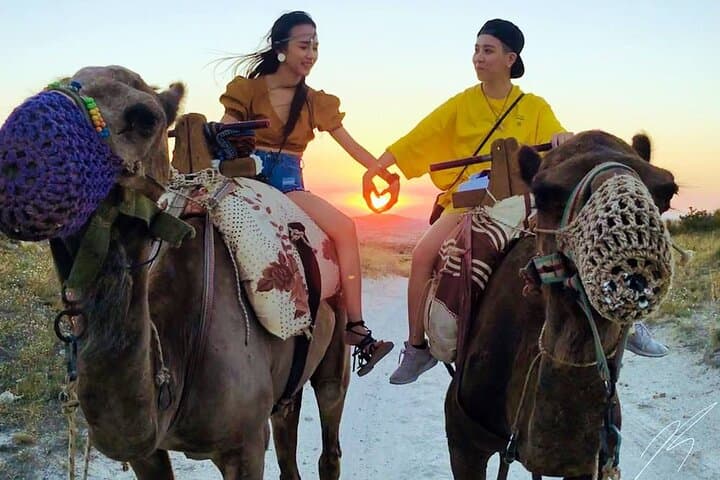
Ride a camel through Cappadocia’s carved valleys at sunrise, sunset, or daytime and see the region from a low, steady vantage. This two-hour experience includes instruction, safety equipment, and hotel pickup, making it accessible for first-time riders.
Ride a camel through Cappadocia’s carved valleys at sunrise, sunset, or daytime and see the region from a low, steady vantage. This two-hour experience includes instruction, safety equipment, and hotel pickup, making it accessible for first-time riders.
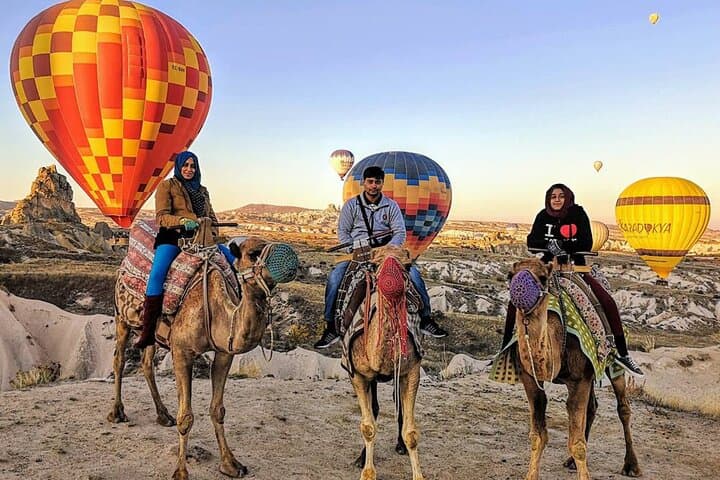
Dawn light slides across volcanic spires as a caravan of camels steps into the valley—slow, deliberate, and oddly familiar. From the camel’s back riders get a low, rolling perspective of Cappadocia’s sculpted tuff: serrated ridges, shadowed alcoves, and the occasional pigeon loft carved into rock. The animals pace steadily, the landscape pulling travelers forward like a living map.
Verified experiences and guided adventures in the surrounding area.
Operated by Payless · Göreme, Nevşehir
Dawn light slides across volcanic spires as a caravan of camels steps into the valley—slow, deliberate, and oddly familiar. From the camel’s back riders get a low, rolling perspective of Cappadocia’s sculpted tuff: serrated ridges, shadowed alcoves, and the occasional pigeon loft carved into rock. The animals pace steadily, the landscape pulling travelers forward like a living map.
Geology here is immediate: ash and lava from ancient eruptions compacted into soft tuff, then wind and frost carved the fairy chimneys over millennia. Human history sits in the hollows—Byzantine cave churches, centuries of agrarian villages, and rock-cut homes that whisper practical adaptation to harsh winters and dry summers.
Culturally, camel safaris echo older trade routes and add a quiet, staged rhythm to modern tourism—guides balance storytelling with safety instruction, and local drivers usually handle transfers. The best light comes at sunrise or sunset when shadows define the valleys and colors flare. Practicalities matter: the ride is around an hour of saddle time within a two-hour tour, there’s on-site instruction, and operators set limits for weight and health.
Plan for sun, wind, and dust. Wear closed-toe footwear, bring a windproof layer for early starts, and carry water in a small pack. Expect gentle slopes and short, deliberate climbs on packed dirt and sand; the camels handle the footing. For photographers, arrive early to secure vantage points. Respect rock formations—don’t climb fragile chimneys. A camel ride is less about speed and more about a patient, animal-powered view of Cappadocia’s strange, ancient terrain.
moderate.
2 hours.
Moderate fitness: able to mount/dismount and sit for about an hour; not suitable for significant mobility limitations.
The tour is about two hours total with roughly one hour of actual camel saddle time; hotel pickup and drop-off are included in most options.
Yes—guides provide instruction and safety equipment; rides are paced and designed for beginners, but those with serious back or heart conditions should avoid.
Operators typically do not recommend the activity for people weighing 110 kg (≈242 lbs) or more, pregnant travelers, or those with limited mobility.
Sunrise and sunset offer the best directional light and softer temperatures—book early to secure a preferred time.
Cappadocia’s valleys are carved from volcanic tuff deposited by ancient eruptions; humans have hollowed homes and churches into that soft rock for millennia.
Erosion and foot traffic stress the fragile formations—stay on marked paths, avoid climbing fairy chimneys, and follow local guidance to minimize impact.
Payless operates guided outdoor trips and adventures with an emphasis on safety, stewardship, and memorable experiences.
Dawn light slides across volcanic spires as a caravan of camels steps into the valley—slow, deliberate, and oddly familiar. From the camel’s back riders get a low, rolling perspective of Cappadocia’s sculpted tuff: serrated ridges, shadowed alcoves, and the occasional pigeon loft carved into rock. The animals pace steadily, the landscape pulling travelers forward like a living map.
Dawn light slides across volcanic spires as a caravan of camels steps into the valley—slow, deliberate, and oddly familiar. From the camel’s back riders get a low, rolling perspective of Cappadocia’s sculpted tuff: serrated ridges, shadowed alcoves, and the occasional pigeon loft carved into rock. The animals pace steadily, the landscape pulling travelers forward like a living map.
Geology here is immediate: ash and lava from ancient eruptions compacted into soft tuff, then wind and frost carved the fairy chimneys over millennia. Human history sits in the hollows—Byzantine cave churches, centuries of agrarian villages, and rock-cut homes that whisper practical adaptation to harsh winters and dry summers.
Culturally, camel safaris echo older trade routes and add a quiet, staged rhythm to modern tourism—guides balance storytelling with safety instruction, and local drivers usually handle transfers. The best light comes at sunrise or sunset when shadows define the valleys and colors flare. Practicalities matter: the ride is around an hour of saddle time within a two-hour tour, there’s on-site instruction, and operators set limits for weight and health.
Plan for sun, wind, and dust. Wear closed-toe footwear, bring a windproof layer for early starts, and carry water in a small pack. Expect gentle slopes and short, deliberate climbs on packed dirt and sand; the camels handle the footing. For photographers, arrive early to secure vantage points. Respect rock formations—don’t climb fragile chimneys. A camel ride is less about speed and more about a patient, animal-powered view of Cappadocia’s strange, ancient terrain.