THE ADVENTURE COLLECTIVE® · Independent discovery and booking for outdoor travel

A private, four-day tour that threads Göreme’s cave hotels, fairy chimneys and an underground city into a practical, immersive introduction to Cappadocia. Expect guided hikes, pottery demonstrations, ATV sunsets and a curated look at the region’s geological and cultural heritage.
A private, four-day tour that threads Göreme’s cave hotels, fairy chimneys and an underground city into a practical, immersive introduction to Cappadocia. Expect guided hikes, pottery demonstrations, ATV sunsets and a curated look at the region’s geological and cultural heritage.
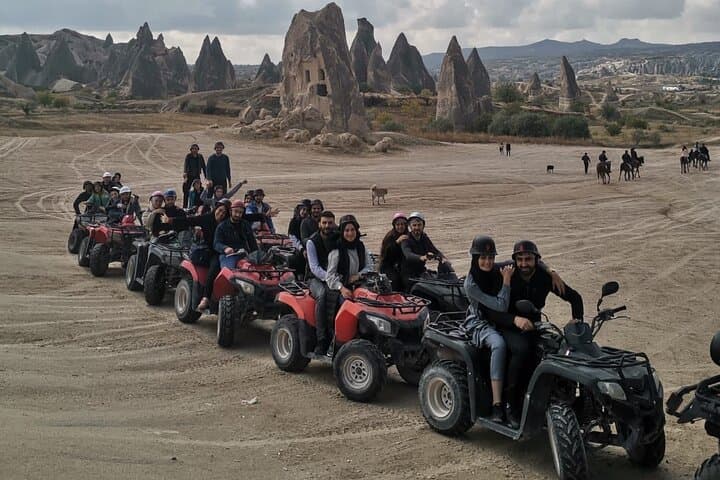
You step from the shaded courtyard of a cave hotel into an otherworldly morning: balloons speckle the sky, and the valley below is a maze of pale spires and honeycombed ridges. Over four days, this private Cappadocia itinerary moves at a deliberate pace—airport transfers, two full days of guided touring, a valley hike, and a late-afternoon ATV run that chases the light until it softens into ochre.
Verified experiences and guided adventures in the surrounding area.
Operated by Travelux Cappadocia · Göreme, Nevşehir
You step from the shaded courtyard of a cave hotel into an otherworldly morning: balloons speckle the sky, and the valley below is a maze of pale spires and honeycombed ridges. Over four days, this private Cappadocia itinerary moves at a deliberate pace—airport transfers, two full days of guided touring, a valley hike, and a late-afternoon ATV run that chases the light until it softens into ochre.
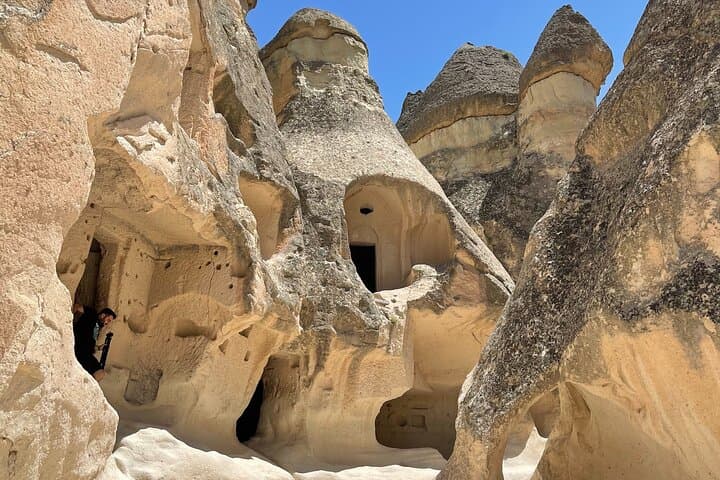
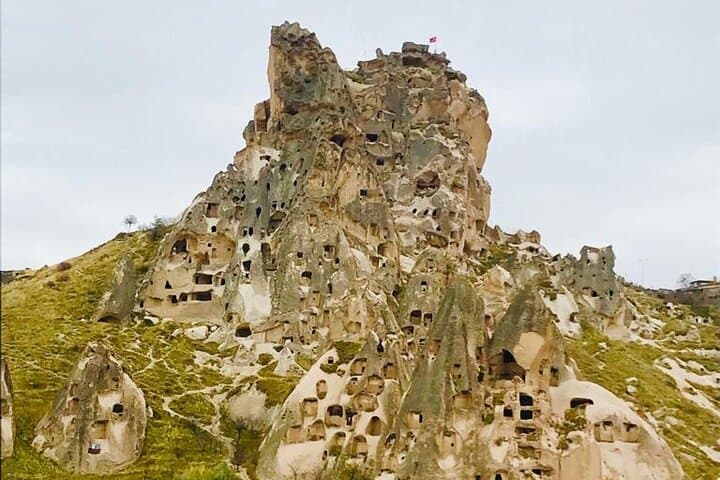
The land itself reads like a slow-motion geological film. Between 10 and 2 million years ago, volcanic tuff settled and later eroded into the region’s signature “fairy chimneys.” Human hands then carved dwellings, churches and storage rooms into that soft stone; the Göreme Open Air Museum and the underground cities at Derinkuyu or Kaymakli show how communities adapted rock into shelter, worship and defense from the Byzantine era through the Ottoman period.
Culture here is tactile: potters in Avanos work red clay pulled from the Kızılırmak River, pigeons still shape agricultural life by fertilizing terraces, and local inns repurpose ancient caves for modern hospitality. The tour pairs these cultural touchpoints with practical experiences—museum entries, two lunches, a one-hour ATV safari and three breakfasts—so you leave having seen and touched how people live with the land.
On the practical side, expect elevation around 1,000–1,300 meters and easy to moderate walking: valley hikes of 2–6 kilometers with intermittent uneven stone. Drives between sites are short (20–60 minutes) in an air-conditioned private vehicle; the guide times visits to avoid crowds at major viewpoints. One night in a cave hotel is included; rooms range from compact rock-cut chambers to larger suites with carved niches.
Timing matters: sunrise is the best photographic hour—balloons, soft light and long shadows bring out the chimneys’ contours. Afternoons grow warm in summer; spring and fall offer crisp mornings and forgiving afternoons. Bring sturdy shoes for rock and cobbled lanes, a layer for nights in the caves, and an adaptable daypack for water and camera gear.
This program is private and mostly accessible to all fitness levels, but it rewards curiosity: ask your guide about local stone-cutting techniques, the region’s wine-making history, and why pigeon houses are windowed across valley faces. For travelers who want an efficient, immersive introduction to Cappadocia’s geology and living history, this four-day loop stitches together the region’s most distinctive moods—quiet caves, panoramic chimneys and a sunset that insists you slow down and look.
moderate.
4 days.
Suitable for travelers with basic fitness—able to walk 2–6 km over uneven ground and handle short stair sections.
Balloon flights are not included; they’re available locally and should be booked in advance—this tour times morning activities so you can attend if you add one.
The itinerary includes a major underground city (Derinkuyu or Kaymakli depending on scheduling), both UNESCO-associated and similar in layout with tunnels and chambers.
Yes—this private tour is paced for all ages, but note the underground city has narrow passages and valley hikes include uneven terrain.
Yes—private two-way transfers from Kayseri or Nevşehir airports are part of the package.
A professional English-speaking guide is provided; request other languages at booking and confirm availability.
Yes—lunches and breakfasts can be adjusted; note dietary needs in booking questions so the operator can prepare.
Cappadocia’s cave settlements and underground cities date back to Hellenistic and early Christian periods when communities carved defensive and religious spaces into the soft volcanic tuff.
High visitor numbers stress fragile rock-cut structures; stick to paths, avoid touching frescoes and support local guides who fund conservation through entry fees.
Travelux Cappadocia operates guided outdoor trips and adventures with an emphasis on safety, stewardship, and memorable experiences.

You step from the shaded courtyard of a cave hotel into an otherworldly morning: balloons speckle the sky, and the valley below is a maze of pale spires and honeycombed ridges. Over four days, this private Cappadocia itinerary moves at a deliberate pace—airport transfers, two full days of guided touring, a valley hike, and a late-afternoon ATV run that chases the light until it softens into ochre.
You step from the shaded courtyard of a cave hotel into an otherworldly morning: balloons speckle the sky, and the valley below is a maze of pale spires and honeycombed ridges. Over four days, this private Cappadocia itinerary moves at a deliberate pace—airport transfers, two full days of guided touring, a valley hike, and a late-afternoon ATV run that chases the light until it softens into ochre.
The land itself reads like a slow-motion geological film. Between 10 and 2 million years ago, volcanic tuff settled and later eroded into the region’s signature “fairy chimneys.” Human hands then carved dwellings, churches and storage rooms into that soft stone; the Göreme Open Air Museum and the underground cities at Derinkuyu or Kaymakli show how communities adapted rock into shelter, worship and defense from the Byzantine era through the Ottoman period.
Culture here is tactile: potters in Avanos work red clay pulled from the Kızılırmak River, pigeons still shape agricultural life by fertilizing terraces, and local inns repurpose ancient caves for modern hospitality. The tour pairs these cultural touchpoints with practical experiences—museum entries, two lunches, a one-hour ATV safari and three breakfasts—so you leave having seen and touched how people live with the land.
On the practical side, expect elevation around 1,000–1,300 meters and easy to moderate walking: valley hikes of 2–6 kilometers with intermittent uneven stone. Drives between sites are short (20–60 minutes) in an air-conditioned private vehicle; the guide times visits to avoid crowds at major viewpoints. One night in a cave hotel is included; rooms range from compact rock-cut chambers to larger suites with carved niches.
Timing matters: sunrise is the best photographic hour—balloons, soft light and long shadows bring out the chimneys’ contours. Afternoons grow warm in summer; spring and fall offer crisp mornings and forgiving afternoons. Bring sturdy shoes for rock and cobbled lanes, a layer for nights in the caves, and an adaptable daypack for water and camera gear.
This program is private and mostly accessible to all fitness levels, but it rewards curiosity: ask your guide about local stone-cutting techniques, the region’s wine-making history, and why pigeon houses are windowed across valley faces. For travelers who want an efficient, immersive introduction to Cappadocia’s geology and living history, this four-day loop stitches together the region’s most distinctive moods—quiet caves, panoramic chimneys and a sunset that insists you slow down and look.