THE ADVENTURE COLLECTIVE® · Independent discovery and booking for outdoor travel

Float above fairy chimneys at sunrise, sleep in carved-rock hotels, and move through Roman marble and thermal terraces on a compact, three-day route that stitches Pamukkale, Ephesus and Cappadocia together. Expect early starts, uneven footing, and unforgettable light.
Float above fairy chimneys at sunrise, sleep in carved-rock hotels, and move through Roman marble and thermal terraces on a compact, three-day route that stitches Pamukkale, Ephesus and Cappadocia together. Expect early starts, uneven footing, and unforgettable light.
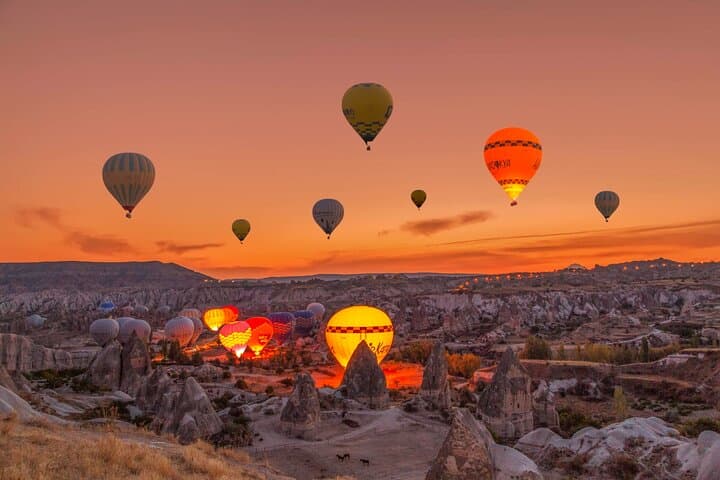
At dawn the valley exhales a slow breath of mist and the first balloons lift like pale moons from a lunar plain. Travelers in sleepy cave hotels step from hand-carved doorways into a landscape that refuses to behave like ordinary geology — spires of tuff eroded into chimneys, honeycombed ridges, and church facades cut directly into rock. This three-day itinerary threads that high plateau with two richer chapters of Turkey’s past: the white travertines of Pamukkale and the marble streets of Ephesus, turning transit into a moving lesson in empire, religion, and natural architecture.
Verified experiences and guided adventures in the surrounding area.
Operated by Turkey Experiences · Göreme, Nevşehir
At dawn the valley exhales a slow breath of mist and the first balloons lift like pale moons from a lunar plain. Travelers in sleepy cave hotels step from hand-carved doorways into a landscape that refuses to behave like ordinary geology — spires of tuff eroded into chimneys, honeycombed ridges, and church facades cut directly into rock. This three-day itinerary threads that high plateau with two richer chapters of Turkey’s past: the white travertines of Pamukkale and the marble streets of Ephesus, turning transit into a moving lesson in empire, religion, and natural architecture.
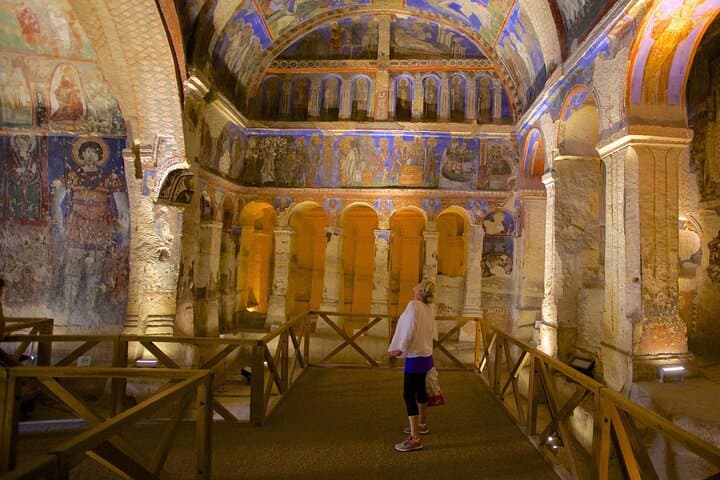
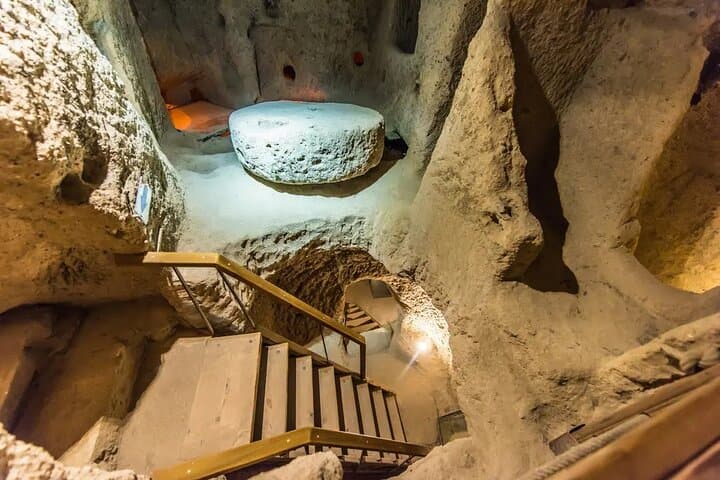
Cappadocia’s soft volcanic rock — tuff laid down by millennia of eruptions and sculpted by wind and winter — made both shelter and spectacle possible. Byzantine monks painted frescoes inside cave churches in Göreme, while later communities hollowed entire towns into the earth, as at Derinkuyu, a deep, multi-level underground city. Nearby, the Ihlara Valley cuts a green ribbon 14 kilometers long, its canyon walls dotted with hidden sanctuaries where prayer met practicality.
The tour balances these landscapes with cultural touchpoints: a potter’s wheel in Avanos where Kızılırmak clay still turns into bowls, the slow pageant of Testi Kebab being cracked open for lunch, and a look at terrace houses and theaters in Ephesus that remind you how close the ancient world feels here. Pamukkale, with its calcium-rich springs, offers a contrast — bleached, sculpted terraces and an antique pool where Roman columns silently rise from clear warm water.
Practically, expect early mornings and steady walking on uneven surfaces. Hot air balloon flights typically lift to 700–1,000 meters above the valley floor at sunrise and last about an hour; arrive with a light jacket and a good camera. Cave hotels are charming but often built on slopes and stone stairs; choose a room with the accessibility notes if stairs are a problem. Derinkuyu’s tunnels descend multiple levels — modest claustrophobia and knee issues should be considered.
Hydrate for the plateau (elevation around 1,000–1,300 meters), pack layers (mornings are cold, days warm), and bring sturdy shoes for dusty tracks and carved stairways. Timing your visit for spring or fall reduces crowds and maximizes balloon reliability. Guides on this semi-private tour handle logistics — airport transfers, museum entries, and local meals — but leave space in your schedule for a slow coffee in Göreme or a walk along a quiet ravine.
For travelers who want art, geology, and history with their morning coffee, this is a concentrated, practical introduction to central Turkey’s most surreal landscapes and oldest stories.
moderate.
5 days.
Moderate fitness — comfortable walking for 2–4 hours per day on uneven ground, some stairs and low tunnels.
The balloon is offered as an option depending on the package; confirm inclusion at booking — flights operate at sunrise and last roughly 60 minutes.
Expect moderate walking on uneven terrain, some short hikes, stairs in cave churches and Derinkuyu’s low tunnels; not recommended for those with serious mobility issues.
Guided tours include specified breakfasts and lunches and many museum entries; some optional attractions (like the Antique Pool at Pamukkale or paragliding) may incur extra fees.
Yes — notify the operator at booking for halal, vegetarian or allergy needs and they will arrange suitable meals at local restaurants.
Spring (April–June) and fall (September–October) offer mild temperatures, clearer balloon conditions and fewer crowds; summer can be hot and winter cold with occasional snow.
Cave hotels are stable and hospitality-focused; rooms can be cool and compact—check accessibility and heating options if you need them.
Cappadocia’s rock-cut churches and underground cities reflect Byzantine monastic life and later communal defensive strategies; nearby Ephesus and Pamukkale add Hellenistic and Roman chapters to the route.
The region balances tourism with fragile geology — stick to marked paths, avoid walking on travertines at Pamukkale, and support local co-ops to keep cultural practices economically sustainable.
Turkey Experiences operates guided outdoor trips and adventures with an emphasis on safety, stewardship, and memorable experiences.
At dawn the valley exhales a slow breath of mist and the first balloons lift like pale moons from a lunar plain. Travelers in sleepy cave hotels step from hand-carved doorways into a landscape that refuses to behave like ordinary geology — spires of tuff eroded into chimneys, honeycombed ridges, and church facades cut directly into rock. This three-day itinerary threads that high plateau with two richer chapters of Turkey’s past: the white travertines of Pamukkale and the marble streets of Ephesus, turning transit into a moving lesson in empire, religion, and natural architecture.
At dawn the valley exhales a slow breath of mist and the first balloons lift like pale moons from a lunar plain. Travelers in sleepy cave hotels step from hand-carved doorways into a landscape that refuses to behave like ordinary geology — spires of tuff eroded into chimneys, honeycombed ridges, and church facades cut directly into rock. This three-day itinerary threads that high plateau with two richer chapters of Turkey’s past: the white travertines of Pamukkale and the marble streets of Ephesus, turning transit into a moving lesson in empire, religion, and natural architecture.
Cappadocia’s soft volcanic rock — tuff laid down by millennia of eruptions and sculpted by wind and winter — made both shelter and spectacle possible. Byzantine monks painted frescoes inside cave churches in Göreme, while later communities hollowed entire towns into the earth, as at Derinkuyu, a deep, multi-level underground city. Nearby, the Ihlara Valley cuts a green ribbon 14 kilometers long, its canyon walls dotted with hidden sanctuaries where prayer met practicality.
The tour balances these landscapes with cultural touchpoints: a potter’s wheel in Avanos where Kızılırmak clay still turns into bowls, the slow pageant of Testi Kebab being cracked open for lunch, and a look at terrace houses and theaters in Ephesus that remind you how close the ancient world feels here. Pamukkale, with its calcium-rich springs, offers a contrast — bleached, sculpted terraces and an antique pool where Roman columns silently rise from clear warm water.
Practically, expect early mornings and steady walking on uneven surfaces. Hot air balloon flights typically lift to 700–1,000 meters above the valley floor at sunrise and last about an hour; arrive with a light jacket and a good camera. Cave hotels are charming but often built on slopes and stone stairs; choose a room with the accessibility notes if stairs are a problem. Derinkuyu’s tunnels descend multiple levels — modest claustrophobia and knee issues should be considered.
Hydrate for the plateau (elevation around 1,000–1,300 meters), pack layers (mornings are cold, days warm), and bring sturdy shoes for dusty tracks and carved stairways. Timing your visit for spring or fall reduces crowds and maximizes balloon reliability. Guides on this semi-private tour handle logistics — airport transfers, museum entries, and local meals — but leave space in your schedule for a slow coffee in Göreme or a walk along a quiet ravine.
For travelers who want art, geology, and history with their morning coffee, this is a concentrated, practical introduction to central Turkey’s most surreal landscapes and oldest stories.