THE ADVENTURE COLLECTIVE® · Independent discovery and booking for outdoor travel

Try capoeira in Rome: a 90‑minute beginner workshop that blends movement, music and Afro‑Brazilian culture. Learn basic ginga, simple acrobatics and the songs that shape the roda while getting a full‑body workout.
Try capoeira in Rome: a 90‑minute beginner workshop that blends movement, music and Afro‑Brazilian culture. Learn basic ginga, simple acrobatics and the songs that shape the roda while getting a full‑body workout.
You step into a warm room in Rome, palms slightly damp, and hear the berimbau’s twang cutting through laughter and clapping. The instructor calls a simple tune and the group forms a circle—the roda—where movement, song and friendly challenge meet. For 90 minutes you’ll pulse between stretching, basic ginga steps, simple kicks and the musical call-and-response that makes capoeira unique.
Verified experiences and guided adventures in the surrounding area.
Operated by Angelo dos Anjos Oliveira · Rome, Lazio
You step into a warm room in Rome, palms slightly damp, and hear the berimbau’s twang cutting through laughter and clapping. The instructor calls a simple tune and the group forms a circle—the roda—where movement, song and friendly challenge meet. For 90 minutes you’ll pulse between stretching, basic ginga steps, simple kicks and the musical call-and-response that makes capoeira unique.
Capoeira grew from Afro‑Brazilian communities as both self‑defense and cultural practice; classes often teach Capoeira Angola fundamentals, musical instruments (berimbau, pandeiro, atabaque) and the songs that shape interactions in the roda. In Rome the practice is modern and international—locals, travelers and expats sharing a space where technique and music are learned together.
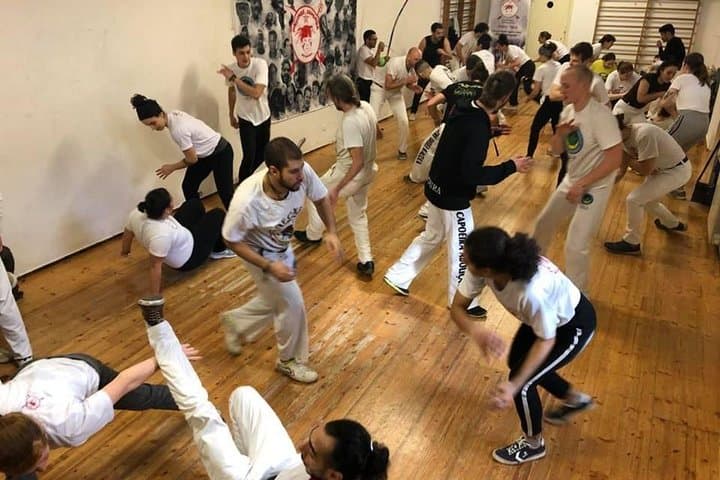
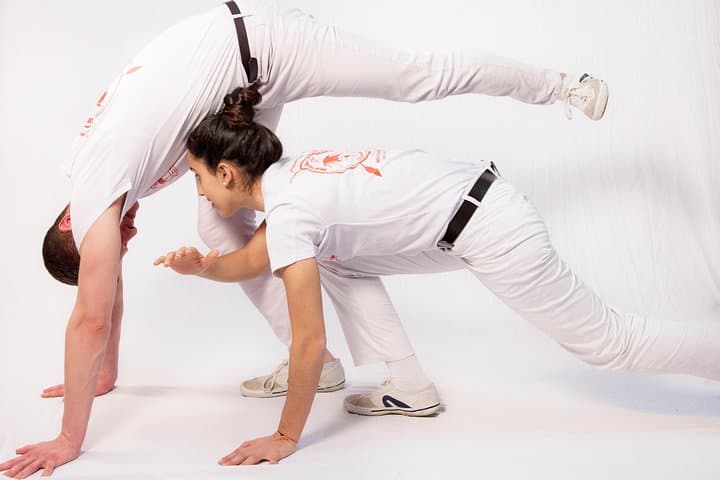
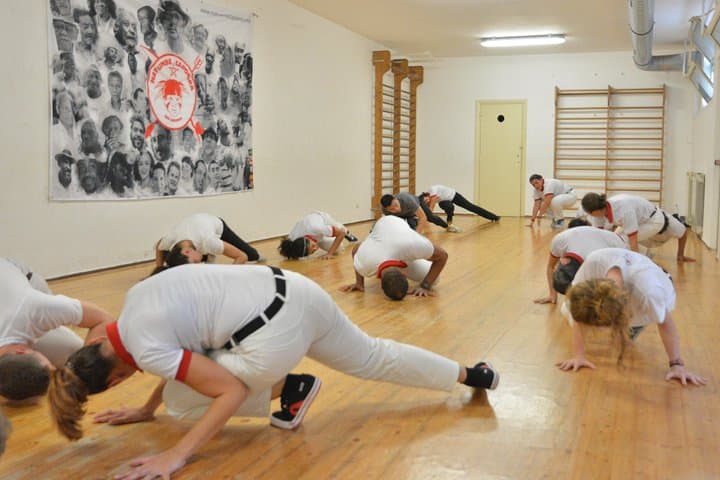
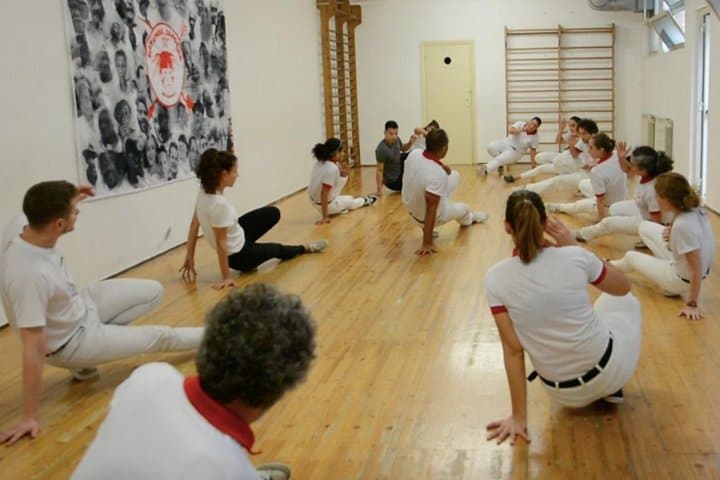
Expect ground‑level drills, partner awareness, and low acrobatics introduced progressively—no gymnastic background required. The pace is social and iterative: warm‑ups and mobility exercises, basic sequences, simple evasions, then a supervised mini‑roda to try turns and musical cues. The class size (up to 25) keeps the energy communal but intimate.
Plan to hydrate, wear flexible clothing and shoes with thin soles, and arrive 10–15 minutes early for warm‑up and instrument demonstrations. If you have heart conditions or recent injuries, consult a physician first—capoeira raises the heart rate and includes sudden directional moves. Take the music with you: learning the rhythms and songs is as important as mastering the kicks.
This workshop is a practical, high‑energy way to connect movement, music and culture in Rome while building coordination and confidence.
moderate.
1.5 hours (90 minutes).
Suitable for most active travelers; expect moderate cardio and coordination demands. Beginners tolerated, but basic mobility and stamina help.
No—classes welcome beginners and progress at a steady pace; instructors teach basic ginga, simple defenses and introductions to acrobatics gradually.
Wear comfortable, flexible athletic clothing and thin‑soled shoes or bare feet if allowed; avoid restrictive clothing that limits hip rotation.
The workshop is marketed as suitable for all ages and fitness levels, but check with the operator about age limits and notify instructors of any mobility concerns.
Yes—beginner workshops typically cover basic musicality, call‑and‑response songs and demonstrations of berimbau, pandeiro and atabaque.
Capoeira originated among enslaved Africans in Brazil as a disguised combat practice and cultural expression; Capoeira Angola preserves slower, strategic movements and a strong musical tradition.
Cultural preservation matters—support local groups and instructors who respect capoeira’s Afro‑Brazilian roots, and travel lightly by avoiding single‑use plastics and loud behavior in residential areas.
Angelo dos Anjos Oliveira operates guided outdoor trips and adventures with an emphasis on safety, stewardship, and memorable experiences.
You step into a warm room in Rome, palms slightly damp, and hear the berimbau’s twang cutting through laughter and clapping. The instructor calls a simple tune and the group forms a circle—the roda—where movement, song and friendly challenge meet. For 90 minutes you’ll pulse between stretching, basic ginga steps, simple kicks and the musical call-and-response that makes capoeira unique.
You step into a warm room in Rome, palms slightly damp, and hear the berimbau’s twang cutting through laughter and clapping. The instructor calls a simple tune and the group forms a circle—the roda—where movement, song and friendly challenge meet. For 90 minutes you’ll pulse between stretching, basic ginga steps, simple kicks and the musical call-and-response that makes capoeira unique.
Capoeira grew from Afro‑Brazilian communities as both self‑defense and cultural practice; classes often teach Capoeira Angola fundamentals, musical instruments (berimbau, pandeiro, atabaque) and the songs that shape interactions in the roda. In Rome the practice is modern and international—locals, travelers and expats sharing a space where technique and music are learned together.
Expect ground‑level drills, partner awareness, and low acrobatics introduced progressively—no gymnastic background required. The pace is social and iterative: warm‑ups and mobility exercises, basic sequences, simple evasions, then a supervised mini‑roda to try turns and musical cues. The class size (up to 25) keeps the energy communal but intimate.
Plan to hydrate, wear flexible clothing and shoes with thin soles, and arrive 10–15 minutes early for warm‑up and instrument demonstrations. If you have heart conditions or recent injuries, consult a physician first—capoeira raises the heart rate and includes sudden directional moves. Take the music with you: learning the rhythms and songs is as important as mastering the kicks.
This workshop is a practical, high‑energy way to connect movement, music and culture in Rome while building coordination and confidence.