THE ADVENTURE COLLECTIVE® · Independent discovery and booking for outdoor travel

Learn capoeira’s rhythm, basic movements and the instruments that drive the roda in a friendly 90‑minute class in Rio de Janeiro. This beginner session mixes warm‑ups, technique drills and cultural context for a hands‑on introduction to an Afro‑Brazilian art form.
Learn capoeira’s rhythm, basic movements and the instruments that drive the roda in a friendly 90‑minute class in Rio de Janeiro. This beginner session mixes warm‑ups, technique drills and cultural context for a hands‑on introduction to an Afro‑Brazilian art form.
You step into a warm room where music calls you forward: the berimbau’s single string hums like a heartbeat and the floor seems to lean with anticipation. A circle forms — the roda — and, over 90 minutes, a teacher guides you through warm-ups, basic ginga steps, gentle kicks and the percussion that drives the art.
Verified experiences and guided adventures in the surrounding area.
Operated by Capoeira Rio de Janeiro · Rio de Janeiro, Rio de Janeiro
You step into a warm room where music calls you forward: the berimbau’s single string hums like a heartbeat and the floor seems to lean with anticipation. A circle forms — the roda — and, over 90 minutes, a teacher guides you through warm-ups, basic ginga steps, gentle kicks and the percussion that drives the art.
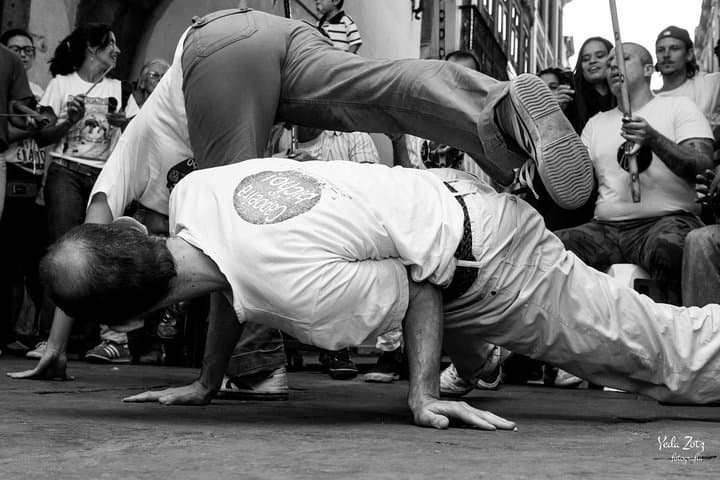
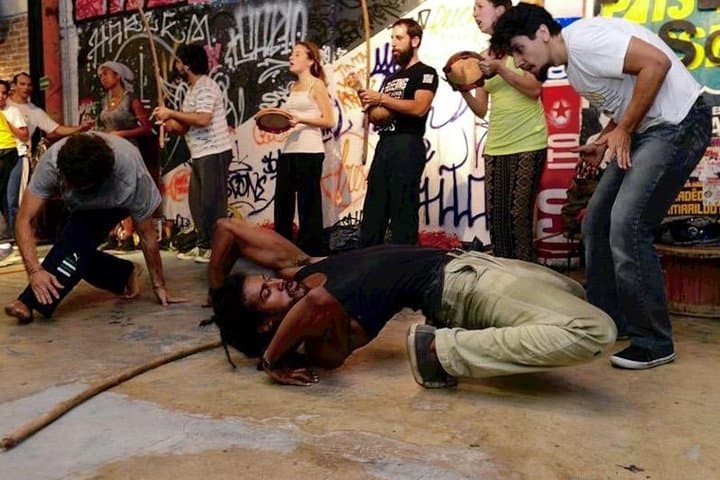
Capoeira began as an Afro‑Brazilian practice forged under slavery, evolving into both fight and dance across the 18th and 19th centuries. In Rio it absorbed samba rhythms and urban energy; classes pair physical movement with short history lessons and hands‑on instrument practice — often the berimbau, pandeiro and atabaque. You’ll learn how music shapes the game, when to enter the roda, and the etiquette that keeps capoeira as much about respect as it is about agility.
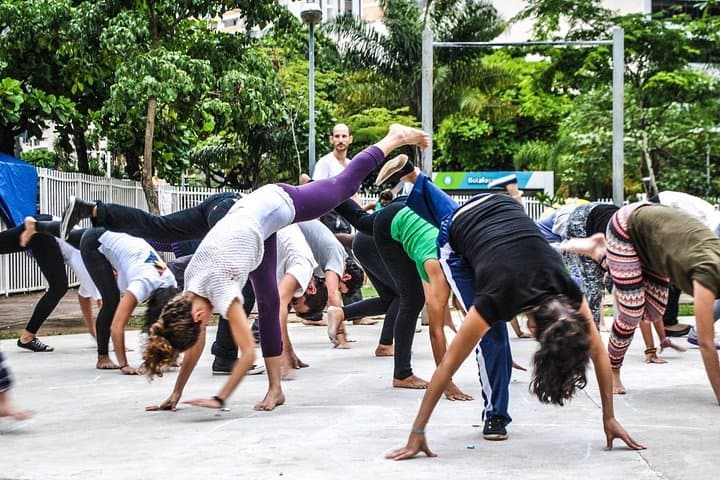
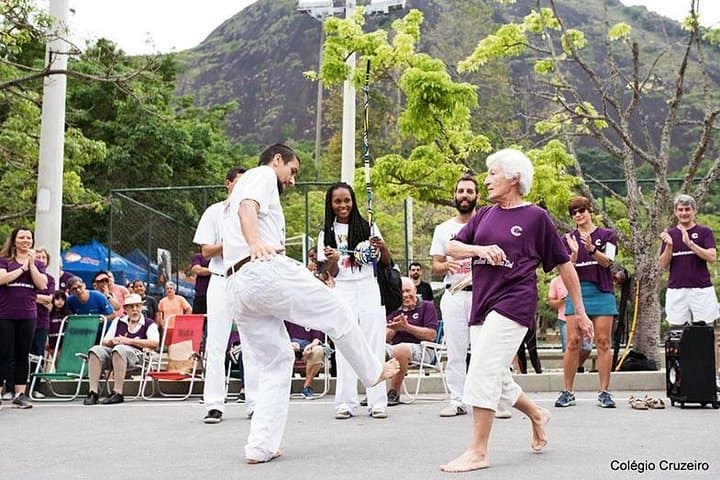
Expect a mostly flat studio or outdoor court surface, progressive warm‑ups, partner drills, and capped‑pace practice for beginners. The session is suitable for a wide range of bodies but asks for moderate fitness: be ready to squat, hip‑rotate and move fluidly for set intervals. Bring water, wear flexible clothing, and arrive early to tune into the music and meet the teacher. Classes are social — perfect for travelers who want a cultural workout, a chance to play instruments, and a practical introduction to a living Brazilian tradition.
moderate.
1.5 hours (90 minutes).
Moderate — suitable for people with basic cardio and mobility; expect squats, hip rotation and short bursts of movement.
No — the class is designed for beginners; instructors break movements into accessible progressions and emphasize safety.
Wear comfortable, stretchy clothing; many capoeira classes are practiced barefoot, but flat‑soled shoes are acceptable if preferred.
Yes — beginner classes typically include an introduction to the berimbau, pandeiro and atabaque, and you’ll learn basic rhythms as part of the session.
Yes — the offering is inclusive and teachers adapt movements; inform the instructor of any mobility or health concerns ahead of time.
Capoeira originated among enslaved Africans in Brazil as a blend of self‑defense, dance and ritual; it was later criminalized and then re‑legitimized as a national cultural practice.
Support local mestres and small schools that keep authentic practice alive; ask permission before filming and avoid commodifying sacred elements.
Capoeira Rio de Janeiro operates guided outdoor trips and adventures with an emphasis on safety, stewardship, and memorable experiences.
You step into a warm room where music calls you forward: the berimbau’s single string hums like a heartbeat and the floor seems to lean with anticipation. A circle forms — the roda — and, over 90 minutes, a teacher guides you through warm-ups, basic ginga steps, gentle kicks and the percussion that drives the art.
You step into a warm room where music calls you forward: the berimbau’s single string hums like a heartbeat and the floor seems to lean with anticipation. A circle forms — the roda — and, over 90 minutes, a teacher guides you through warm-ups, basic ginga steps, gentle kicks and the percussion that drives the art.
Capoeira began as an Afro‑Brazilian practice forged under slavery, evolving into both fight and dance across the 18th and 19th centuries. In Rio it absorbed samba rhythms and urban energy; classes pair physical movement with short history lessons and hands‑on instrument practice — often the berimbau, pandeiro and atabaque. You’ll learn how music shapes the game, when to enter the roda, and the etiquette that keeps capoeira as much about respect as it is about agility.
Expect a mostly flat studio or outdoor court surface, progressive warm‑ups, partner drills, and capped‑pace practice for beginners. The session is suitable for a wide range of bodies but asks for moderate fitness: be ready to squat, hip‑rotate and move fluidly for set intervals. Bring water, wear flexible clothing, and arrive early to tune into the music and meet the teacher. Classes are social — perfect for travelers who want a cultural workout, a chance to play instruments, and a practical introduction to a living Brazilian tradition.