THE ADVENTURE COLLECTIVE® · Independent discovery and booking for outdoor travel

Skip the ticket line at the Capitoline Museums and spend your hours inside studying Rome’s most iconic sculptures and imperial objects. This reserved-entry option streamlines access to the Palazzo dei Conservatori and Palazzo Nuovo so you can focus on the artifacts and rooftop views over the Forum.
Skip the ticket line at the Capitoline Museums and spend your hours inside studying Rome’s most iconic sculptures and imperial objects. This reserved-entry option streamlines access to the Palazzo dei Conservatori and Palazzo Nuovo so you can focus on the artifacts and rooftop views over the Forum.
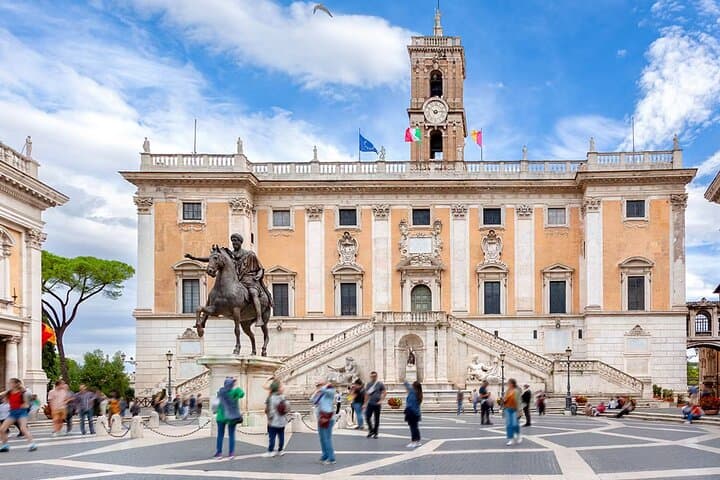
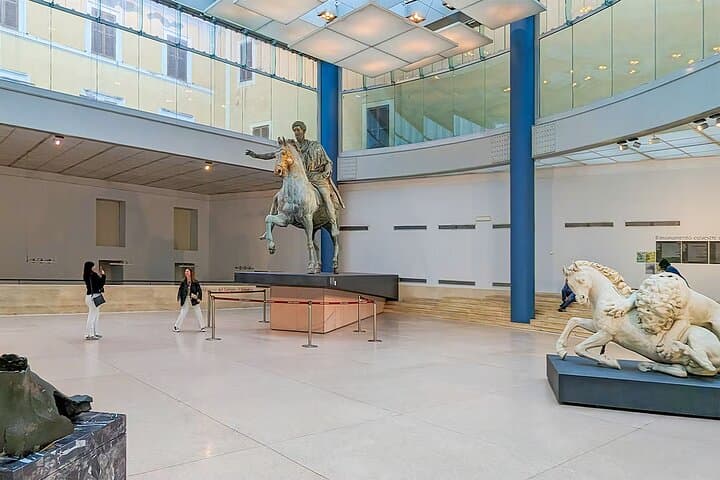
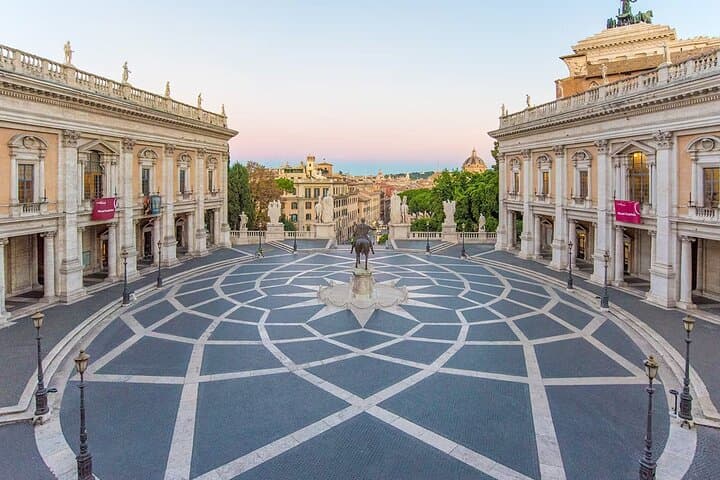
You step up the Cordonata’s worn steps and the square opens: stone, sky, and the slow, measured presence of marble figures. A breeze off the Roman Forum carries dust and distant traffic; inside, air conditioned galleries hold centuries of imperial ambition and civic display.
Verified experiences and guided adventures in the surrounding area.
Operated by My Travelons Ltd · Rome, Lazio
You step up the Cordonata’s worn steps and the square opens: stone, sky, and the slow, measured presence of marble figures. A breeze off the Roman Forum carries dust and distant traffic; inside, air conditioned galleries hold centuries of imperial ambition and civic display.
The Capitoline Museums sit atop the Capitoline Hill, one of Rome’s original seven. The complex—Palazzo dei Conservatori and Palazzo Nuovo—was formalized as a public collection in the 15th century when papal donations created what historians often call the world’s oldest civic museum. Michelangelo reworked the piazza in the 16th century; many of the halls that frame the collection rest on tufa- and travertine-built foundations that date to Rome’s layered past.
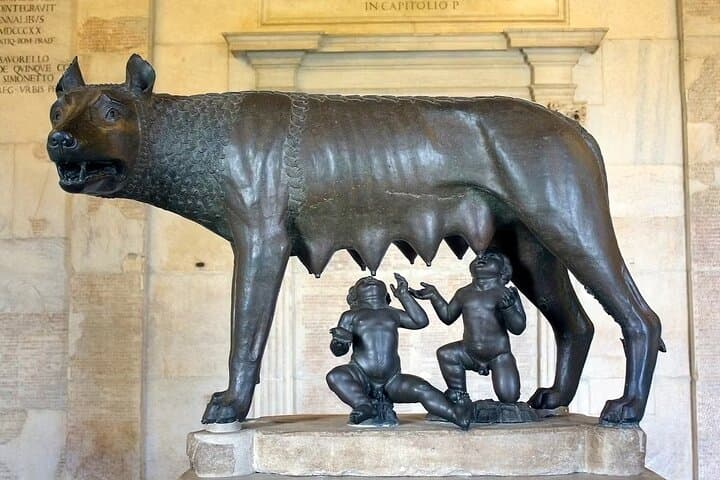
Expect archeological anchors: the Capitoline Wolf, the Dying Gaul, colossal imperial busts and a dense run of coins and reliefs that map Rome’s politics and religion. The rooftop terraces reward patient visitors with direct sightlines to the Forum and Palatine Hill—key context for the artifacts below.
Practically: reserved-entry tickets speed past the busiest queues but don’t bypass security checks. Allow 1–3 hours to move at a measured pace; longer if you linger over sculpture or the numismatic collection. Mobile or paper tickets accepted; bag checks are common and large backpacks may be restricted. Combine this visit with an early-morning Forum walk or a late-afternoon Palatine climb to avoid peak heat and crowds.
Respect exhibit rules: no flash photography, no touching objects, and use quiet voices in galleries. With a little planning, a reserved entry transforms a line into time—time to read inscriptions, study patinas, and situate Rome’s stones in their long, unhurried story.
easy.
1–4 hours.
Suitable for most fitness levels; involves standing and walking on uneven historic stone floors.
No—mobile tickets are accepted, though having a screenshot can speed entry if there’s limited connectivity.
Audio guides are typically not included; check the museum desk for rentals or bring a reputable guide app.
The Capitoline Museums have ramps and an elevator to access most galleries, but some historic areas have limited access—contact the museum ahead for specific needs.
Non-flash photography is generally allowed in permanent exhibitions, but tripods and flash are prohibited and certain rooms may be restricted.
The museums trace their public collection back to a 15th-century papal donation; Michelangelo’s 16th-century redesign of the piazza shaped how the city displays its ancient power.
The Capitoline Museums follow strict conservation protocols—limited touching, controlled lighting, and regular restorations—so visitors should stick to marked paths and avoid flash photography to protect fragile artifacts.
My Travelons Ltd operates guided outdoor trips and adventures with an emphasis on safety, stewardship, and memorable experiences.
You step up the Cordonata’s worn steps and the square opens: stone, sky, and the slow, measured presence of marble figures. A breeze off the Roman Forum carries dust and distant traffic; inside, air conditioned galleries hold centuries of imperial ambition and civic display.
You step up the Cordonata’s worn steps and the square opens: stone, sky, and the slow, measured presence of marble figures. A breeze off the Roman Forum carries dust and distant traffic; inside, air conditioned galleries hold centuries of imperial ambition and civic display.
The Capitoline Museums sit atop the Capitoline Hill, one of Rome’s original seven. The complex—Palazzo dei Conservatori and Palazzo Nuovo—was formalized as a public collection in the 15th century when papal donations created what historians often call the world’s oldest civic museum. Michelangelo reworked the piazza in the 16th century; many of the halls that frame the collection rest on tufa- and travertine-built foundations that date to Rome’s layered past.
Expect archeological anchors: the Capitoline Wolf, the Dying Gaul, colossal imperial busts and a dense run of coins and reliefs that map Rome’s politics and religion. The rooftop terraces reward patient visitors with direct sightlines to the Forum and Palatine Hill—key context for the artifacts below.
Practically: reserved-entry tickets speed past the busiest queues but don’t bypass security checks. Allow 1–3 hours to move at a measured pace; longer if you linger over sculpture or the numismatic collection. Mobile or paper tickets accepted; bag checks are common and large backpacks may be restricted. Combine this visit with an early-morning Forum walk or a late-afternoon Palatine climb to avoid peak heat and crowds.
Respect exhibit rules: no flash photography, no touching objects, and use quiet voices in galleries. With a little planning, a reserved entry transforms a line into time—time to read inscriptions, study patinas, and situate Rome’s stones in their long, unhurried story.