THE ADVENTURE COLLECTIVE® · Independent discovery and booking for outdoor travel

Explore Wellington’s culinary core on a slow-paced three-hour walking tour that mixes coffee, chocolate, family-run restaurants and craft beer. Small groups, local insight, and included tastings make this a compact introduction to the city’s food scene.
Explore Wellington’s culinary core on a slow-paced three-hour walking tour that mixes coffee, chocolate, family-run restaurants and craft beer. Small groups, local insight, and included tastings make this a compact introduction to the city’s food scene.
The group spills out onto Cuba Street under a sky that changes its mind every ten minutes—Wellington’s wind pushes the conversation and the smell of fresh roast coffee toward the waterfront. Over three hours the guide threads the party through short lanes, past neon storefronts and down to the harbour edge, stopping to taste chocolate, a second‑generation family restaurant dish, a waterfront specialty and locally brewed beer paired with charcuterie and cheese.
Verified experiences and guided adventures in the surrounding area.
Operated by The Big Foody Food Tours · Wellington, Wellington
The group spills out onto Cuba Street under a sky that changes its mind every ten minutes—Wellington’s wind pushes the conversation and the smell of fresh roast coffee toward the waterfront. Over three hours the guide threads the party through short lanes, past neon storefronts and down to the harbour edge, stopping to taste chocolate, a second‑generation family restaurant dish, a waterfront specialty and locally brewed beer paired with charcuterie and cheese.
Wellington sits on the south end of a natural harbour, Te Whanganui-a-Tara, and its compact center grew rapidly after it became New Zealand’s capital in the 1860s. The geology—steep ridgelines and a narrow coastal plain—shapes how the city’s streets and eateries cluster, so food scenes concentrate along Cuba Street, Lambton Quay and the waterfront. The tour doubles as a short cultural primer: local-sourced menus, café roasters, and stories about the city’s Māori place names and working harbour.
Practically, expect about 2–4 km of slow-paced walking across mostly paved streets with a few steps and narrow lanes. Groups are small (up to 12), tastings are included, and guides can recommend where to return later. Bring an ID if you plan to partake in alcoholic tastings; shoes with good soles and a windproof layer will make the difference on blustery days. The route is flexible—stops can change with seasonality and local openings—so arrive ready to stroll, sample, and ask questions about Wellington’s food and drink scene.
moderate.
3 hours.
Moderate—able to walk 2+ km and stand during tastings; not suitable for those with limited mobility.
The tour runs about 3 hours and covers roughly 2–4 km at a slow walking pace, with multiple tasting stops.
All listed tastings are included; anyone wishing to sample alcoholic beverages must be 18 or older and show valid ID.
The tour uses paved streets and some narrow lanes; it may be challenging for wheelchairs or wide strollers—contact the operator to discuss accessibility options.
Tours may be canceled for severe weather; operators often proceed in light rain—dress in layers and bring waterproofs for comfort.
Wellington became New Zealand's capital in 1865; its harbour (Te Whanganui-a-Tara) and Māori place names are central to local identity and cuisine.
Many Wellington eateries prioritize local, seasonal produce and reduced waste—choosing small suppliers and composting helps keep the harbour and food systems healthy.
The Big Foody Food Tours operates guided outdoor trips and adventures with an emphasis on safety, stewardship, and memorable experiences.
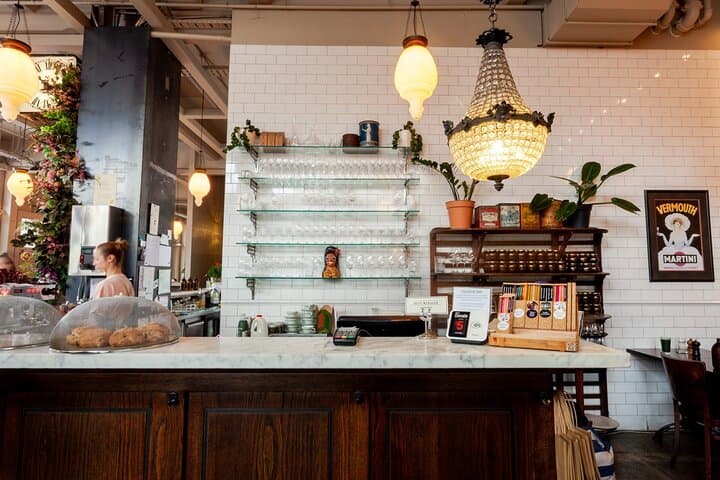
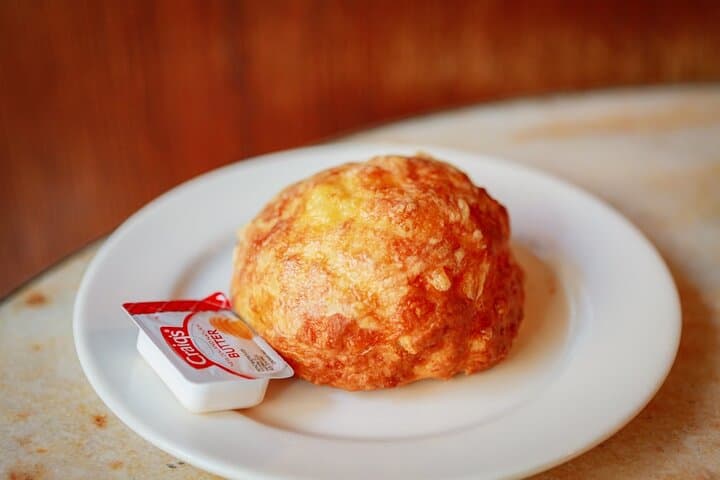
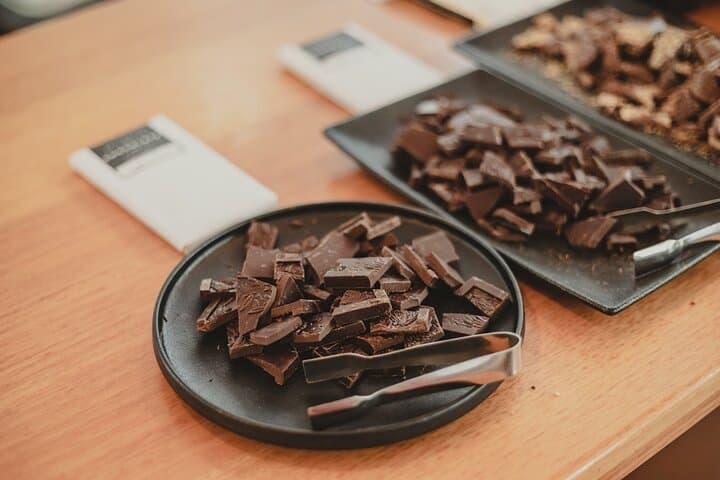
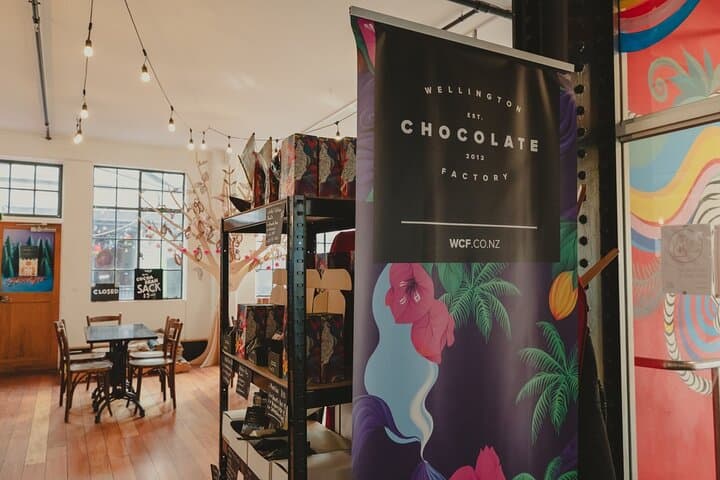
The group spills out onto Cuba Street under a sky that changes its mind every ten minutes—Wellington’s wind pushes the conversation and the smell of fresh roast coffee toward the waterfront. Over three hours the guide threads the party through short lanes, past neon storefronts and down to the harbour edge, stopping to taste chocolate, a second‑generation family restaurant dish, a waterfront specialty and locally brewed beer paired with charcuterie and cheese.
The group spills out onto Cuba Street under a sky that changes its mind every ten minutes—Wellington’s wind pushes the conversation and the smell of fresh roast coffee toward the waterfront. Over three hours the guide threads the party through short lanes, past neon storefronts and down to the harbour edge, stopping to taste chocolate, a second‑generation family restaurant dish, a waterfront specialty and locally brewed beer paired with charcuterie and cheese.
Wellington sits on the south end of a natural harbour, Te Whanganui-a-Tara, and its compact center grew rapidly after it became New Zealand’s capital in the 1860s. The geology—steep ridgelines and a narrow coastal plain—shapes how the city’s streets and eateries cluster, so food scenes concentrate along Cuba Street, Lambton Quay and the waterfront. The tour doubles as a short cultural primer: local-sourced menus, café roasters, and stories about the city’s Māori place names and working harbour.
Practically, expect about 2–4 km of slow-paced walking across mostly paved streets with a few steps and narrow lanes. Groups are small (up to 12), tastings are included, and guides can recommend where to return later. Bring an ID if you plan to partake in alcoholic tastings; shoes with good soles and a windproof layer will make the difference on blustery days. The route is flexible—stops can change with seasonality and local openings—so arrive ready to stroll, sample, and ask questions about Wellington’s food and drink scene.