THE ADVENTURE COLLECTIVE® · Independent discovery and booking for outdoor travel

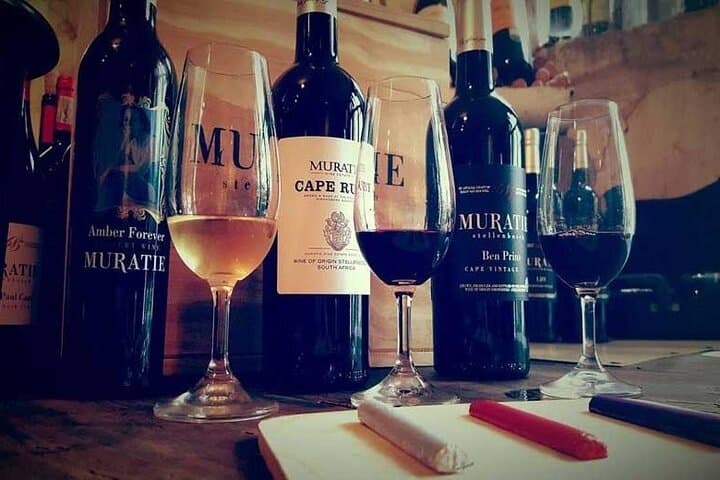
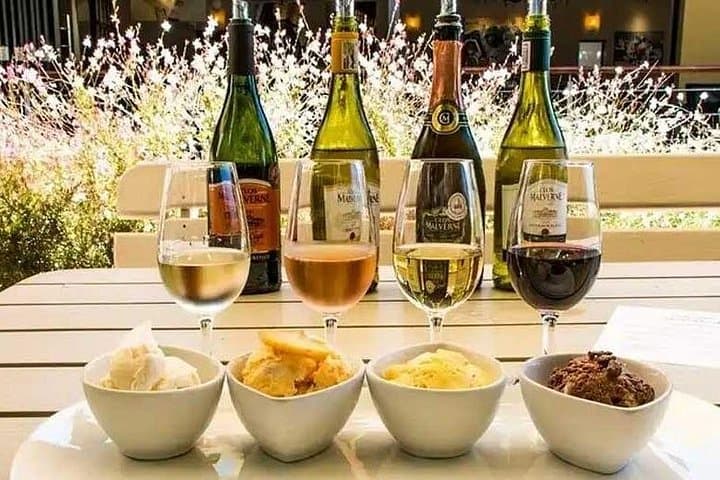
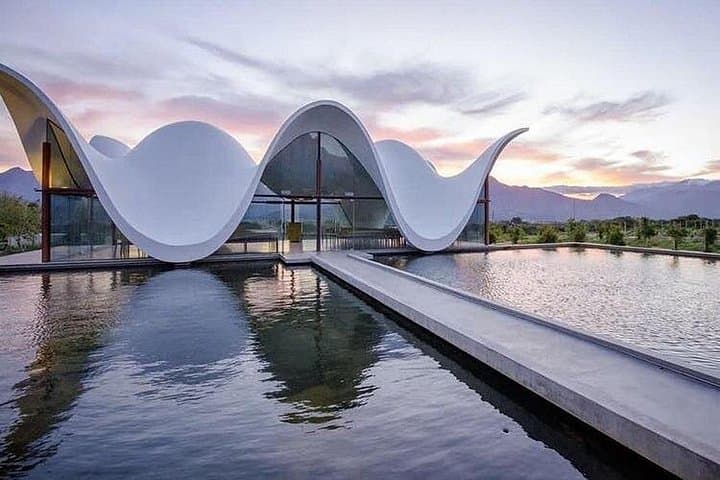
Spend a full day driving through the Cape Winelands to visit three estates across Stellenbosch, Franschhoek and Paarl. This private tour combines cellar tours, tastings, and a taste of the region’s culinary culture with private transport from Cape Town.
Spend a full day driving through the Cape Winelands to visit three estates across Stellenbosch, Franschhoek and Paarl. This private tour combines cellar tours, tastings, and a taste of the region’s culinary culture with private transport from Cape Town.
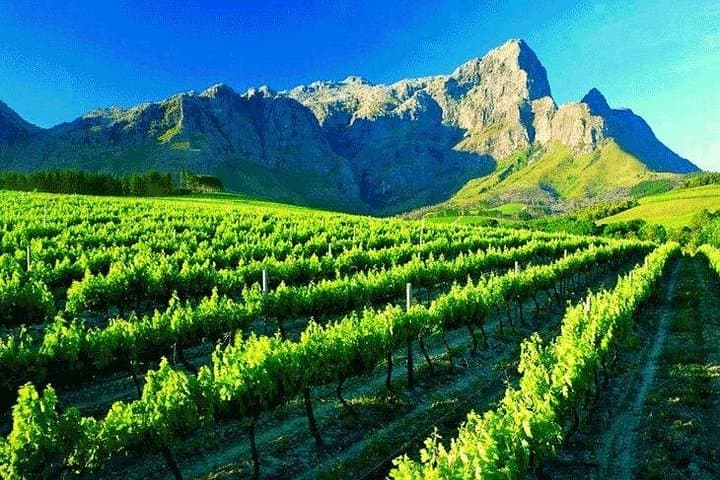
You pull off the highway as mountains lean toward the valley and rows of vines run like punctuation across slopes. The air tastes faintly of earth and grape must; cellar doors open and a guide leads you from one estate to another, each property offering a different take on the Cape’s climate and soils.
Verified experiences and guided adventures in the surrounding area.
Operated by Giraffe Horizons · Stellenbosch, Western Cape
You pull off the highway as mountains lean toward the valley and rows of vines run like punctuation across slopes. The air tastes faintly of earth and grape must; cellar doors open and a guide leads you from one estate to another, each property offering a different take on the Cape’s climate and soils.
The Cape Winelands have produced wine since the 1600s, a history visible in oak-lined estates, Cape Dutch architecture, and the town layout of Stellenbosch — the country’s second-oldest European settlement. Geologically the region sits on folded Table Mountain sandstone and granite outcrops; those soils plus cool Atlantic breezes create the structure behind the region’s sauvignon blancs and cabernet blends. Franschhoek carries a distinctly French Huguenot influence: bakeries, steep streets, and tasting rooms that pair cuisine with terroir.
Expect a day of scenic drives through Paarl’s granite spires and the Simonsberg foothills, three scheduled tastings, a cellar tour at a larger estate, and a casual farm-lunch option. Culture here is as much about food as it is about wine—many estates run on sustainable practices, olive groves, and small-batch cellar programs.
Practical guidance: plan for a 7–9 hour day; bring a lightweight jacket for coastal wind and comfortable shoes for uneven cellar floors. Know South African law requires tasters to be 18+. Hydrate between tastings, pace sample sizes, and use the provided private transport rather than driving. If you want fewer crowds, request earlier pickup from Cape Town and aim for weekday bookings.
easy.
7–9 hours.
Light activity only; mostly seated transfers with short walks around estates
The tour runs approximately 7–9 hours (about 420–540 minutes), including transport and three tasting stops.
Yes—private round-trip transportation is included; a pickup from Cape Town is offered for an additional fee as listed.
Non-drinkers can still join; bottled water is provided. Minors may ride on the tour but by law only those 18+ may taste wine.
Private tours often accept guest preferences; notify the operator in advance to tailor the three-visit itinerary when possible.
Vine-growing in the valleys around Stellenbosch dates to the 1600s, when Dutch settlers began planting vineyards for the Cape refreshment trade.
Many estates emphasize water-wise viticulture and organic or integrated farming; choose wineries with sustainable certifications to support lower-impact tourism.
Giraffe Horizons operates guided outdoor trips and adventures with an emphasis on safety, stewardship, and memorable experiences.
You pull off the highway as mountains lean toward the valley and rows of vines run like punctuation across slopes. The air tastes faintly of earth and grape must; cellar doors open and a guide leads you from one estate to another, each property offering a different take on the Cape’s climate and soils.
You pull off the highway as mountains lean toward the valley and rows of vines run like punctuation across slopes. The air tastes faintly of earth and grape must; cellar doors open and a guide leads you from one estate to another, each property offering a different take on the Cape’s climate and soils.
The Cape Winelands have produced wine since the 1600s, a history visible in oak-lined estates, Cape Dutch architecture, and the town layout of Stellenbosch — the country’s second-oldest European settlement. Geologically the region sits on folded Table Mountain sandstone and granite outcrops; those soils plus cool Atlantic breezes create the structure behind the region’s sauvignon blancs and cabernet blends. Franschhoek carries a distinctly French Huguenot influence: bakeries, steep streets, and tasting rooms that pair cuisine with terroir.
Expect a day of scenic drives through Paarl’s granite spires and the Simonsberg foothills, three scheduled tastings, a cellar tour at a larger estate, and a casual farm-lunch option. Culture here is as much about food as it is about wine—many estates run on sustainable practices, olive groves, and small-batch cellar programs.
Practical guidance: plan for a 7–9 hour day; bring a lightweight jacket for coastal wind and comfortable shoes for uneven cellar floors. Know South African law requires tasters to be 18+. Hydrate between tastings, pace sample sizes, and use the provided private transport rather than driving. If you want fewer crowds, request earlier pickup from Cape Town and aim for weekday bookings.