THE ADVENTURE COLLECTIVE® · Independent discovery and booking for outdoor travel

Spend a full day tasting across Stellenbosch, Franschhoek and Paarl with a local guide, cellar tours, a lunch tasting in Franschhoek and a sweet pairing in Paarl. This guided circuit pairs history, geology and winemaking in an efficient eight-hour itinerary.
Spend a full day tasting across Stellenbosch, Franschhoek and Paarl with a local guide, cellar tours, a lunch tasting in Franschhoek and a sweet pairing in Paarl. This guided circuit pairs history, geology and winemaking in an efficient eight-hour itinerary.
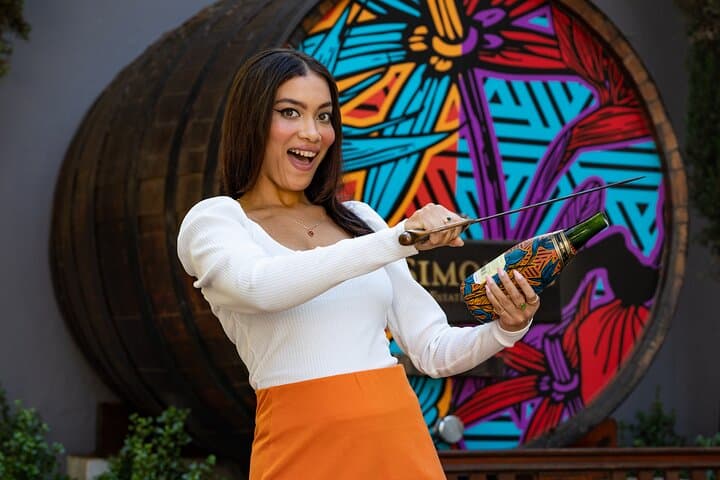
Morning light cuts across rows of vines as a luxury coach eases out of Cape Town toward the folded foothills of the Cape Winelands. The first stop is Stellenbosch, where oak-lined streets and white gables introduce a lineage of winemaking brought by French Huguenots three centuries ago. Tasting rooms open onto sunlit courtyards; cellar tours reveal old oak barrels and stainless-steel tanks that speak to both tradition and modern technique.
Verified experiences and guided adventures in the surrounding area.
Operated by City Sightseeing South Africa · Stellenbosch, Western Cape
Morning light cuts across rows of vines as a luxury coach eases out of Cape Town toward the folded foothills of the Cape Winelands. The first stop is Stellenbosch, where oak-lined streets and white gables introduce a lineage of winemaking brought by French Huguenots three centuries ago. Tasting rooms open onto sunlit courtyards; cellar tours reveal old oak barrels and stainless-steel tanks that speak to both tradition and modern technique.
Geology here matters — decomposed granite and shale soils in Stellenbosch and Franschhoek give wines a firm structure, while Paarl’s warmer slopes yield riper, sweeter expressions. Franschhoek’s valley channels cool ocean breezes that the vines drink in, and the region’s small boutique estates often pair wine with locally produced cheeses or a delicate lunch.
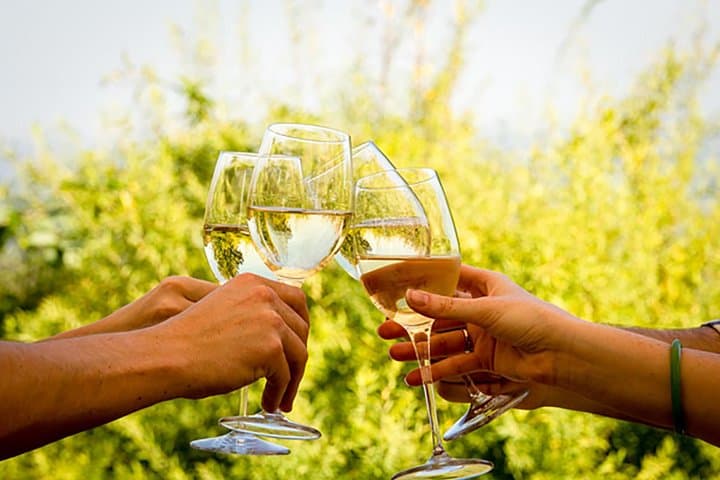
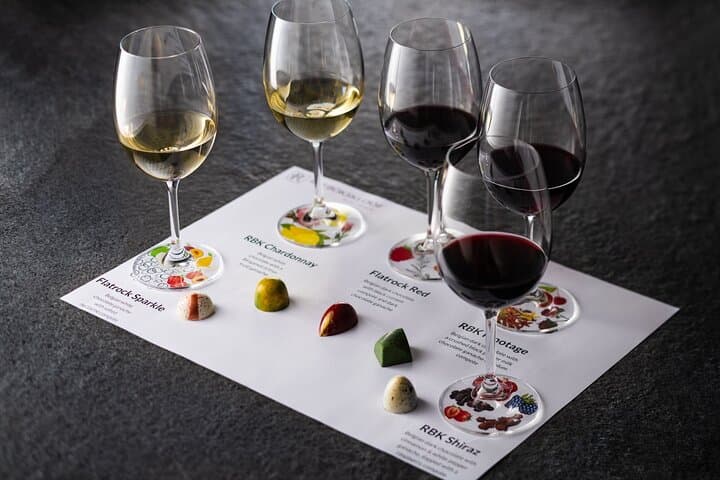
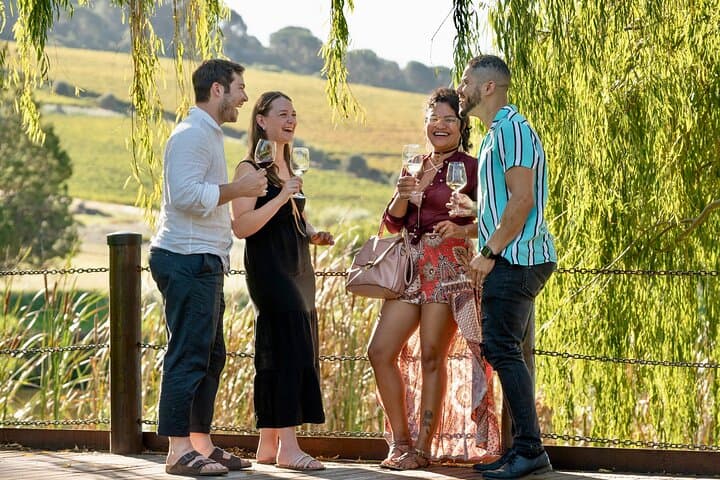
The tour balances storytelling and palate: expect guided tastings at three estates (roughly 12–15 pours across styles), a cellar walk in Stellenbosch, a sit-down lunch in Franschhoek, and a sweet-pairing in Paarl. Between estates there are short photo stops that put history into context — from Cape Dutch architecture to sites linked to South Africa’s modern story.
Practical edge: wear comfortable shoes for short vineyard walks, pace tastings with water and small bites, and plan for an 8-hour day with hotel pickup in central Cape Town. Weather can shift quickly; a light jacket for afternoon breezes keeps the focus on sampling rather than shivering. Whether someone comes for the scenery or the cellar notes, the route delivers a concise survey of the Winelands’ character and terroir.
easy.
8 hours.
Light activity—suitable for most travelers; requires standing for tastings and short walks.
Yes — the tour includes guided tastings at three estates (about 12–15 pours) and a wine-paired lunch in Franschhoek.
Pickup is provided from central Cape Town hotels and designated central locations; confirm your pickup point at booking.
Children must be accompanied by an adult; non-drinkers can join and enjoy the scenery and cellar tours but should notify the operator for alternatives.
Minimum drinking age is 18. For a full refund cancel at least 24 hours before departure; no refund within 24 hours.
The Winelands grew from 17th–18th century Huguenot settlements; their viticultural practices shaped estate names and cellar traditions still visible today.
Water management and sustainable viticulture are priorities here—many estates practice drip irrigation, biodiversity planting and farm-to-table waste reduction.
City Sightseeing South Africa operates guided outdoor trips and adventures with an emphasis on safety, stewardship, and memorable experiences.
Morning light cuts across rows of vines as a luxury coach eases out of Cape Town toward the folded foothills of the Cape Winelands. The first stop is Stellenbosch, where oak-lined streets and white gables introduce a lineage of winemaking brought by French Huguenots three centuries ago. Tasting rooms open onto sunlit courtyards; cellar tours reveal old oak barrels and stainless-steel tanks that speak to both tradition and modern technique.
Morning light cuts across rows of vines as a luxury coach eases out of Cape Town toward the folded foothills of the Cape Winelands. The first stop is Stellenbosch, where oak-lined streets and white gables introduce a lineage of winemaking brought by French Huguenots three centuries ago. Tasting rooms open onto sunlit courtyards; cellar tours reveal old oak barrels and stainless-steel tanks that speak to both tradition and modern technique.
Geology here matters — decomposed granite and shale soils in Stellenbosch and Franschhoek give wines a firm structure, while Paarl’s warmer slopes yield riper, sweeter expressions. Franschhoek’s valley channels cool ocean breezes that the vines drink in, and the region’s small boutique estates often pair wine with locally produced cheeses or a delicate lunch.
The tour balances storytelling and palate: expect guided tastings at three estates (roughly 12–15 pours across styles), a cellar walk in Stellenbosch, a sit-down lunch in Franschhoek, and a sweet-pairing in Paarl. Between estates there are short photo stops that put history into context — from Cape Dutch architecture to sites linked to South Africa’s modern story.
Practical edge: wear comfortable shoes for short vineyard walks, pace tastings with water and small bites, and plan for an 8-hour day with hotel pickup in central Cape Town. Weather can shift quickly; a light jacket for afternoon breezes keeps the focus on sampling rather than shivering. Whether someone comes for the scenery or the cellar notes, the route delivers a concise survey of the Winelands’ character and terroir.