THE ADVENTURE COLLECTIVE® · Independent discovery and booking for outdoor travel

Experience the West Coast National Park at peak bloom: turquoise lagoon, dune-backed fynbos, and farm lunches amid seasonal wildflowers. This private day tour highlights short walks, birding, and photographic stops between Langebaan and Groote Post.
Experience the West Coast National Park at peak bloom: turquoise lagoon, dune-backed fynbos, and farm lunches amid seasonal wildflowers. This private day tour highlights short walks, birding, and photographic stops between Langebaan and Groote Post.
You step from the minivan into a wind that carries salt and a promise of color: low scrub unfurls in waves of yellow, purple and white under a vast, pale-blue sky. The Langebaan Lagoon glitters nearby, its shallows a mirror for flocks of shorebirds while dunes and ribboned fynbos frame the shore.
Verified experiences and guided adventures in the surrounding area.
Operated by Go That Way · Langebaan, Western Cape
You step from the minivan into a wind that carries salt and a promise of color: low scrub unfurls in waves of yellow, purple and white under a vast, pale-blue sky. The Langebaan Lagoon glitters nearby, its shallows a mirror for flocks of shorebirds while dunes and ribboned fynbos frame the shore.
This stretch of the Western Cape sits on an ancient coastal plain carved by sea-level shifts and a nutrient-poor shale base that gives rise to fynbos—a plant group found nowhere else. European settlement and 18th-century farms like Groote Post are part of the human story; the West Coast National Park was protected in the late 20th century to preserve both wetlands and seasonal flower fields for birds and people.
On a guided day tour you’ll move between short walks, photo stops and a farm-lunch opportunity, learning how sand, salt spray and winter rains coax bulbs and shrubs into explosive displays each spring (mid‑Aug to late Sep). Birdwatchers watch curlew-like waders in the lagoon while cyclists and hikers use the park’s flat, sandy tracks.
Practical edge: visit during the peak bloom window, time outdoor walks for morning light and calmer winds, and expect short, sandy hikes rather than technical climbs. Pack sun protection, a reusable water bottle, and a compact pair of binoculars—Postberg’s flower reserves are seasonally gated and best seen on dry, clear days. Respect fenced restoration areas and leave flowers in place; their seed banks feed next year’s show.
easy.
1–6 hours.
Suitable for most fitness levels; expect short sandy walks and standing while photographing or birdwatching.
Peak bloom is typically mid‑August through late September; timing depends on winter rains and local microclimates.
Yes—this private tour is family friendly and described as suitable for all fitness levels; some stops are short walks on sandy ground.
The itinerary notes entrances and tolls are included and a lunch stop at Groote Post is provided, though confirm meal choices at booking.
Expect a mix of short, easy walks (10–45 minutes) and vehicle transfers; no technical hiking required.
The West Coast National Park protects coastal wetlands and fynbos landscapes with human history stretching from 18th‑century farming to the park’s formal protection in the late 20th century.
Fynbos habitats are fire‑adapted and sensitive; stay on trails, observe seasonal access rules (especially Postberg), and avoid removing flowers to protect seed banks.
Go That Way operates guided outdoor trips and adventures with an emphasis on safety, stewardship, and memorable experiences.
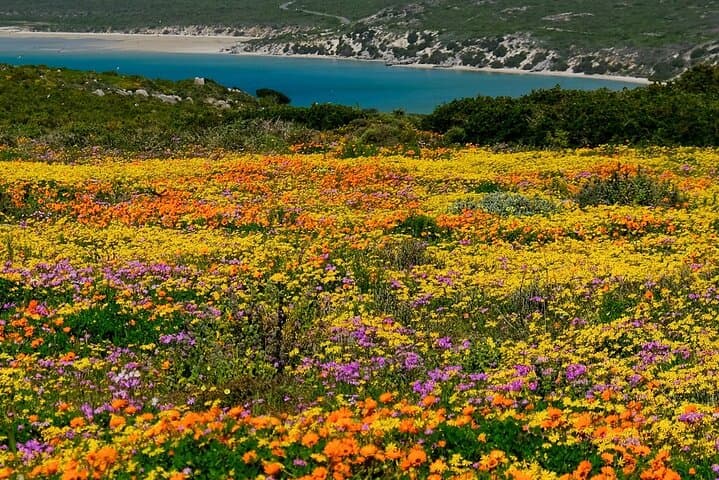
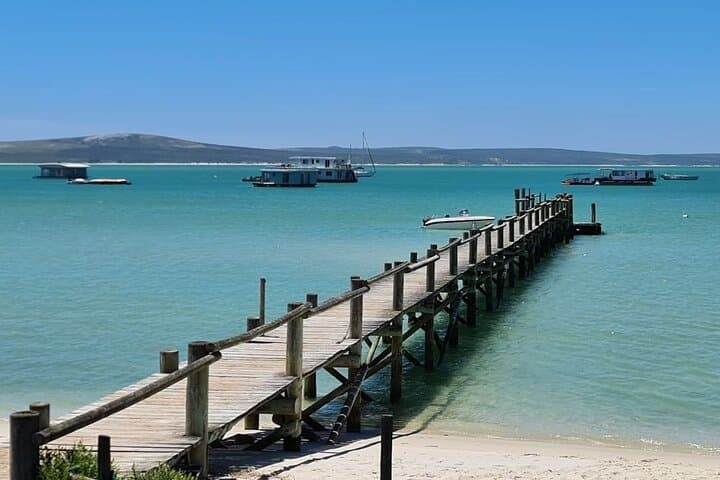
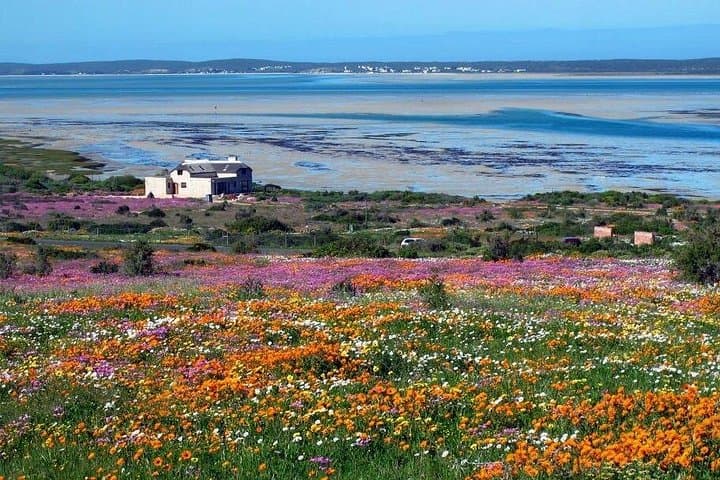
You step from the minivan into a wind that carries salt and a promise of color: low scrub unfurls in waves of yellow, purple and white under a vast, pale-blue sky. The Langebaan Lagoon glitters nearby, its shallows a mirror for flocks of shorebirds while dunes and ribboned fynbos frame the shore.
You step from the minivan into a wind that carries salt and a promise of color: low scrub unfurls in waves of yellow, purple and white under a vast, pale-blue sky. The Langebaan Lagoon glitters nearby, its shallows a mirror for flocks of shorebirds while dunes and ribboned fynbos frame the shore.
This stretch of the Western Cape sits on an ancient coastal plain carved by sea-level shifts and a nutrient-poor shale base that gives rise to fynbos—a plant group found nowhere else. European settlement and 18th-century farms like Groote Post are part of the human story; the West Coast National Park was protected in the late 20th century to preserve both wetlands and seasonal flower fields for birds and people.
On a guided day tour you’ll move between short walks, photo stops and a farm-lunch opportunity, learning how sand, salt spray and winter rains coax bulbs and shrubs into explosive displays each spring (mid‑Aug to late Sep). Birdwatchers watch curlew-like waders in the lagoon while cyclists and hikers use the park’s flat, sandy tracks.
Practical edge: visit during the peak bloom window, time outdoor walks for morning light and calmer winds, and expect short, sandy hikes rather than technical climbs. Pack sun protection, a reusable water bottle, and a compact pair of binoculars—Postberg’s flower reserves are seasonally gated and best seen on dry, clear days. Respect fenced restoration areas and leave flowers in place; their seed banks feed next year’s show.