THE ADVENTURE COLLECTIVE® · Independent discovery and booking for outdoor travel

Cook with a local family on Santiago and learn to make xarém, massa de milho and Cape Verdean cuscuz in a four‑hour hands‑on class. Includes pickup, lunch and a music demonstration—perfect for travelers wanting a cultural deep dive.
Cook with a local family on Santiago and learn to make xarém, massa de milho and Cape Verdean cuscuz in a four‑hour hands‑on class. Includes pickup, lunch and a music demonstration—perfect for travelers wanting a cultural deep dive.
You step off a shaded street and into a warm kitchen where the Atlantic breeze brushes against open windows, as the scent of toasted maize and simmering broth pulls you toward a low table. A local family greets you like an old friend; the chef, Eloisa, lays out bowls of cornmeal, fresh fish, and bright herbs. This is a practical class—hands in dough, knives on wood—where learning how to make xarém, massa de milho and Cape Verdean cuscuz becomes a doorway into daily life on Santiago.
Verified experiences and guided adventures in the surrounding area.
Operated by RURAL TOURS · Praia, Santiago
You step off a shaded street and into a warm kitchen where the Atlantic breeze brushes against open windows, as the scent of toasted maize and simmering broth pulls you toward a low table. A local family greets you like an old friend; the chef, Eloisa, lays out bowls of cornmeal, fresh fish, and bright herbs. This is a practical class—hands in dough, knives on wood—where learning how to make xarém, massa de milho and Cape Verdean cuscuz becomes a doorway into daily life on Santiago.
Santiago is the largest island in Cape Verde, shaped by volcanic uplift and coastal plains where Portuguese colonial history met West African and Brazilian influences. The food reflects that mix: hearty maize- and manioc-based staples, preserved fish, and spice notes that trace trade routes. Cidade Velha, a short drive away, is the oldest European colonial outpost in the tropics and a reminder of the island’s layered past.
Expect a four-hour private experience that includes hotel pickup, a hands-on cooking session, a shared lunch, and traditional music and dance demonstration. The rhythm is practical—recipes passed down generation to generation, techniques explained and repeated until they stick. Bring comfortable shoes for a short walk to the family home, and come ready to stand, stir and taste.
Practical tips: communicate dietary restrictions in advance, carry small cash for gratuities, and plan this in the cooler morning hours to avoid the midday heat. The class is as much cultural exchange as it is a recipe list—leave with skills, stories and a fuller sense of Santiago’s table.
easy.
4 hours.
Light physical activity: standing for several hours, basic kitchen movements; suitable for most travelers in average health
Yes—private round-trip transportation from central Praia accommodations is included in the experience.
Hosts can often adapt recipes for common allergies or preferences if notified in advance; indicate restrictions at booking.
Portuguese and Cape Verdean Creole are common; many hosts speak basic English—confirm language needs when booking.
Families are welcome; infants must sit on laps and specialized infant seats are available, but booked spots are typically one per booking—check capacity with the operator.
Santiago was the gateway of Portuguese colonial settlement in the tropics; its food blends West African staples with Portuguese and Brazilian influences.
Local hosts increasingly source ingredients locally to reduce waste and support small farms; visitors should follow plastic reduction practices and respect local foodways.
RURAL TOURS operates guided outdoor trips and adventures with an emphasis on safety, stewardship, and memorable experiences.
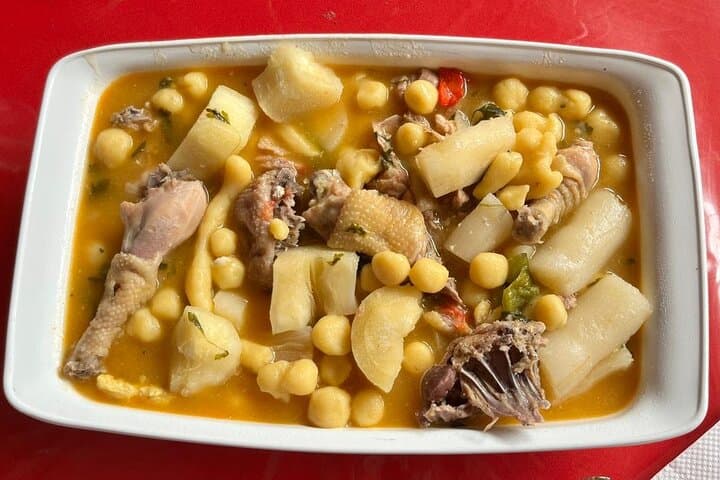


You step off a shaded street and into a warm kitchen where the Atlantic breeze brushes against open windows, as the scent of toasted maize and simmering broth pulls you toward a low table. A local family greets you like an old friend; the chef, Eloisa, lays out bowls of cornmeal, fresh fish, and bright herbs. This is a practical class—hands in dough, knives on wood—where learning how to make xarém, massa de milho and Cape Verdean cuscuz becomes a doorway into daily life on Santiago.
You step off a shaded street and into a warm kitchen where the Atlantic breeze brushes against open windows, as the scent of toasted maize and simmering broth pulls you toward a low table. A local family greets you like an old friend; the chef, Eloisa, lays out bowls of cornmeal, fresh fish, and bright herbs. This is a practical class—hands in dough, knives on wood—where learning how to make xarém, massa de milho and Cape Verdean cuscuz becomes a doorway into daily life on Santiago.
Santiago is the largest island in Cape Verde, shaped by volcanic uplift and coastal plains where Portuguese colonial history met West African and Brazilian influences. The food reflects that mix: hearty maize- and manioc-based staples, preserved fish, and spice notes that trace trade routes. Cidade Velha, a short drive away, is the oldest European colonial outpost in the tropics and a reminder of the island’s layered past.
Expect a four-hour private experience that includes hotel pickup, a hands-on cooking session, a shared lunch, and traditional music and dance demonstration. The rhythm is practical—recipes passed down generation to generation, techniques explained and repeated until they stick. Bring comfortable shoes for a short walk to the family home, and come ready to stand, stir and taste.
Practical tips: communicate dietary restrictions in advance, carry small cash for gratuities, and plan this in the cooler morning hours to avoid the midday heat. The class is as much cultural exchange as it is a recipe list—leave with skills, stories and a fuller sense of Santiago’s table.