THE ADVENTURE COLLECTIVE® · Independent discovery and booking for outdoor travel

Spend a full day tasting Stellenbosch and Franschhoek wines, visit Kirstenbosch Botanic Garden and meet conservationists at Cheetah Outreach. This practical guide covers what to expect, key stops and how to prepare for a long, sensory day in the Cape Winelands.
Spend a full day tasting Stellenbosch and Franschhoek wines, visit Kirstenbosch Botanic Garden and meet conservationists at Cheetah Outreach. This practical guide covers what to expect, key stops and how to prepare for a long, sensory day in the Cape Winelands.
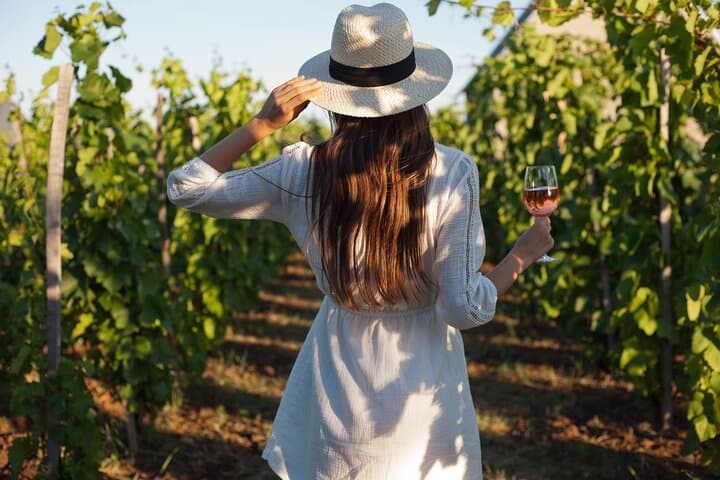
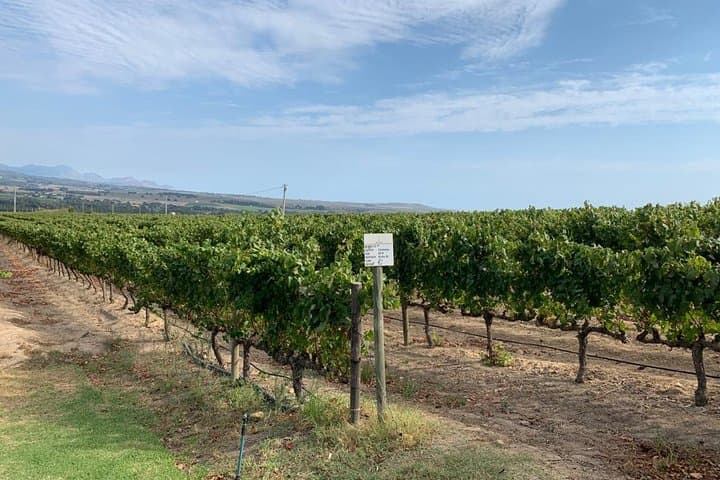
A cool morning light slides across the vineyards as the tour vehicle climbs out of Cape Town toward the folded ridges of the Winelands. Vine rows march in neat lines; mountain shoulders stand watch. Guests move between cellar doors, a botanical garden and a conservation center on a single, full-day loop that stitches together landscape, history and taste.
Verified experiences and guided adventures in the surrounding area.
Operated by Aim Cape Tours. · Stellenbosch, Western Cape
A cool morning light slides across the vineyards as the tour vehicle climbs out of Cape Town toward the folded ridges of the Winelands. Vine rows march in neat lines; mountain shoulders stand watch. Guests move between cellar doors, a botanical garden and a conservation center on a single, full-day loop that stitches together landscape, history and taste.
The route traces soils laid down by ancient seas and sculpted by Table Mountain’s granite and sandstone—factors that give Stellenbosch and Franschhoek their distinct wines. Franschhoek still carries the footprint of 17th-century Huguenot settlers; Cape Dutch gables and oak avenues in Stellenbosch recall colonial layers of culture and agriculture. Kirstenbosch nearby conserves the Cape Floral Kingdom, a hotspot of plant diversity, while Cheetah Outreach speaks to modern conservation work protecting predators and their habitats.
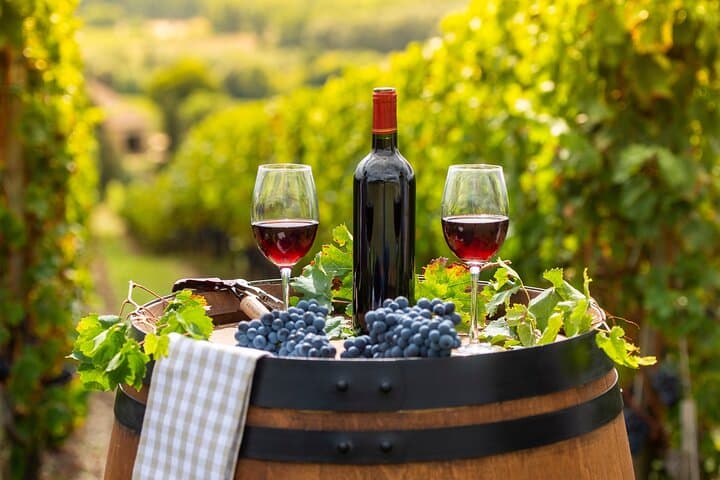
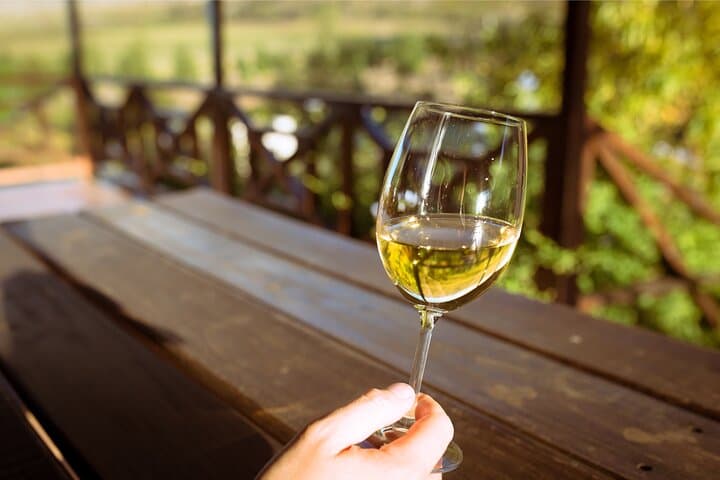
Expect cellar visits at boutique and historic estates—Lanzerac, Delaire Graff and Hazendal are typical stops—paired with focused tastings: reds, whites, sparkling and local brandy. Between tastings there’s time for guided tasting notes, short cellar tours and views across vineyards toward the Drakenstein mountains.
Practically, the day is long (about 8–9 hours) and largely gentle on the feet, but it involves several short walks on gravel or paved estate lanes and getting in and out of the transport. Bring sun protection, a refillable water bottle and a compact daypack for purchases. If conservation encounters matter, factor in dedicated time at Cheetah Outreach; that stop combines education with up-close viewing under staff supervision.
easy.
8–9 hours.
Suitable for most fitness levels; involves multiple short walks and boarding a vehicle several times.
Yes—structured tastings at the listed estates are included, though specialty experiences or extra flights at certain wineries may carry additional fees.
Private air-conditioned transport is provided as part of the tour, with pickup locations typically in Cape Town; confirm your pickup point at booking.
Children can join but must remain supervised; tastings are for adults, and some estates have child-friendly areas or cafés for non-drinking guests.
The visit includes an educational tour and supervised viewing; any direct contact is managed by staff and may depend on the center’s protocols that day.
Stellenbosch is South Africa’s second-oldest town, founded in 1679; Franschhoek was settled by Huguenot refugees in the 1680s and retains French-influenced place names and viticultural traditions.
Kirstenbosch protects unique Cape Floral Kingdom species while Cheetah Outreach focuses on predator rehabilitation and public education—both operate with conservation and community engagement goals.
Aim Cape Tours. operates guided outdoor trips and adventures with an emphasis on safety, stewardship, and memorable experiences.
A cool morning light slides across the vineyards as the tour vehicle climbs out of Cape Town toward the folded ridges of the Winelands. Vine rows march in neat lines; mountain shoulders stand watch. Guests move between cellar doors, a botanical garden and a conservation center on a single, full-day loop that stitches together landscape, history and taste.
A cool morning light slides across the vineyards as the tour vehicle climbs out of Cape Town toward the folded ridges of the Winelands. Vine rows march in neat lines; mountain shoulders stand watch. Guests move between cellar doors, a botanical garden and a conservation center on a single, full-day loop that stitches together landscape, history and taste.
The route traces soils laid down by ancient seas and sculpted by Table Mountain’s granite and sandstone—factors that give Stellenbosch and Franschhoek their distinct wines. Franschhoek still carries the footprint of 17th-century Huguenot settlers; Cape Dutch gables and oak avenues in Stellenbosch recall colonial layers of culture and agriculture. Kirstenbosch nearby conserves the Cape Floral Kingdom, a hotspot of plant diversity, while Cheetah Outreach speaks to modern conservation work protecting predators and their habitats.
Expect cellar visits at boutique and historic estates—Lanzerac, Delaire Graff and Hazendal are typical stops—paired with focused tastings: reds, whites, sparkling and local brandy. Between tastings there’s time for guided tasting notes, short cellar tours and views across vineyards toward the Drakenstein mountains.
Practically, the day is long (about 8–9 hours) and largely gentle on the feet, but it involves several short walks on gravel or paved estate lanes and getting in and out of the transport. Bring sun protection, a refillable water bottle and a compact daypack for purchases. If conservation encounters matter, factor in dedicated time at Cheetah Outreach; that stop combines education with up-close viewing under staff supervision.