THE ADVENTURE COLLECTIVE® · Independent discovery and booking for outdoor travel

Spend a full day exploring the Cape Winelands with a private guide, choosing between Stellenbosch or Franschhoek. Visit 2–3 estates for tastings, enjoy a leisurely lunch, and learn about the region’s history, soils and sustainable winemaking practices.
Spend a full day exploring the Cape Winelands with a private guide, choosing between Stellenbosch or Franschhoek. Visit 2–3 estates for tastings, enjoy a leisurely lunch, and learn about the region’s history, soils and sustainable winemaking practices.
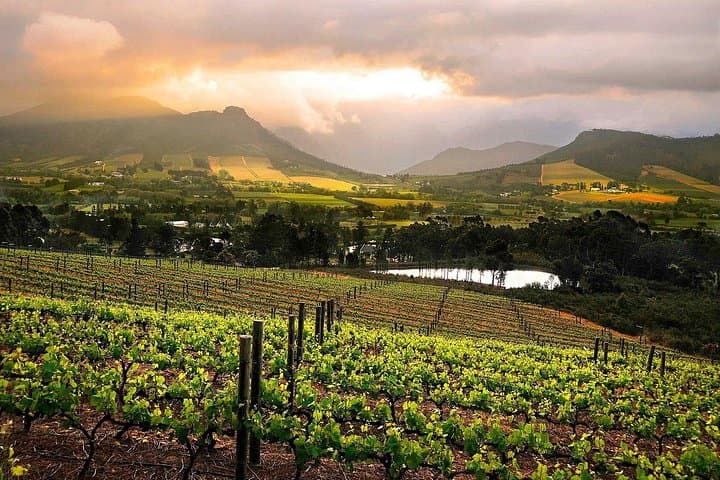
Morning light slides down the slopes of the Cape Winelands and a private vehicle pulls away from Cape Town, threading between serrated mountains and green vineyards. Vine rows march in neat ranks, the air carrying the sharp, mineral scent of crushed grapes and the softer herb of fynbos; guides move with practiced ease, translating terroir into taste.
Verified experiences and guided adventures in the surrounding area.
Operated by OTC Adventures Pty Ltd · Cape Town, Western Cape
Morning light slides down the slopes of the Cape Winelands and a private vehicle pulls away from Cape Town, threading between serrated mountains and green vineyards. Vine rows march in neat ranks, the air carrying the sharp, mineral scent of crushed grapes and the softer herb of fynbos; guides move with practiced ease, translating terroir into taste.
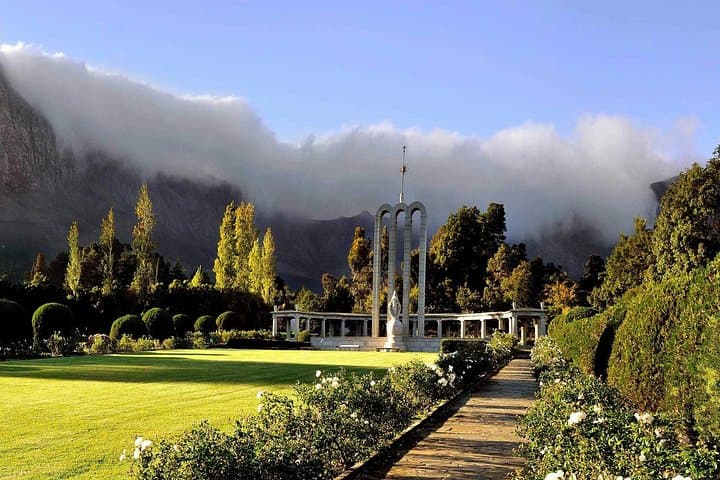
The Winelands’ story is readable in stone and vine: Huguenot and Dutch settlers carved farms into river valleys in the 17th and 18th centuries, leaving Cape Dutch homesteads and oak-lined lanes. Geologically, the region sits on folded Table Mountain sandstone, with granite and shale soils creating distinct pockets of flavor across Stellenbosch and Franschhoek. Both towns present a cultured contrast — Stellenbosch’s university town energy and Cape Dutch façades, Franschhoek’s French Huguenot heritage and narrow streets of galleries and cafés.
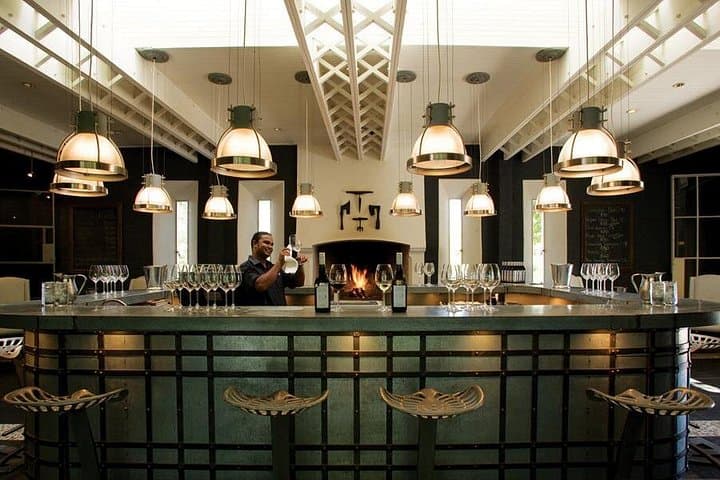
On a private full-day tour, expect two to three cellar tastings, a relaxed lunch at a partnered estate, and optional chocolate or cheese pairings. Tastings typically highlight Sauvignon Blanc, Chenin Blanc and Rhône-style blends; reds lean toward Cabernet and Shiraz. Guides will explain vintage variation, barrel aging, and sustainable practices some estates follow.
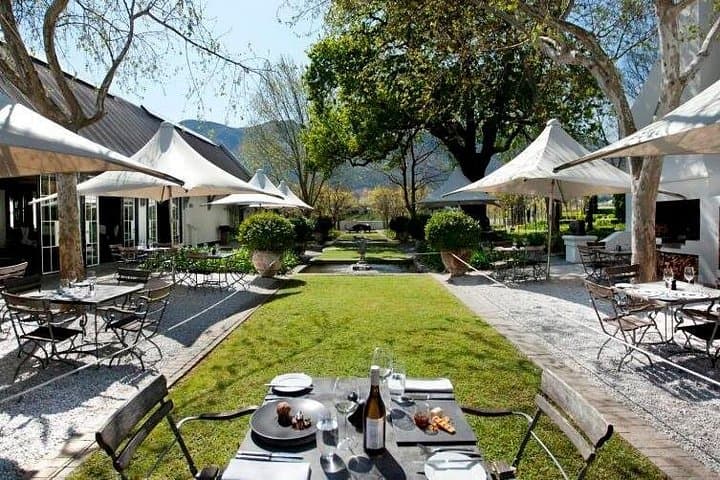
Practical guidance: wear comfortable shoes for gravel paths and short cellar stairs, bring a sun hat and reusable water bottle, and budget time for traffic returning to Cape Town. Bookings often include hotel pickup; confirm which estates are on the day’s itinerary and whether lunch and tastings are prepaid. The day is paced for enjoyment — a structured tasting experience with room to savor the landscape and the glass in hand.
easy.
8 hours.
Minimal fitness required—able to stand and walk short distances on uneven surfaces
Most itineraries include 2–3 wine tastings and bottled water; confirm whether cellar fees or premium tastings carry an extra charge.
Children may ride in the vehicle but are not permitted to taste alcohol; some estates offer non-alcoholic options like grape juice.
A leisurely lunch at a partner estate is typically part of the day—check whether drinks at lunch are included or pay-as-you-go.
Private tours allow you to choose either region but specific estates visited depend on availability on the day; communicate preferences when booking.
The Winelands were shaped by Huguenot and Dutch settlers; Cape Dutch architecture and old homesteads remain central to the region’s identity.
Water management and sustainable viticulture are priorities—many estates use dry-farming, organic or biodynamic methods and encourage responsible tasting practices.
OTC Adventures Pty Ltd operates guided outdoor trips and adventures with an emphasis on safety, stewardship, and memorable experiences.
Morning light slides down the slopes of the Cape Winelands and a private vehicle pulls away from Cape Town, threading between serrated mountains and green vineyards. Vine rows march in neat ranks, the air carrying the sharp, mineral scent of crushed grapes and the softer herb of fynbos; guides move with practiced ease, translating terroir into taste.
Morning light slides down the slopes of the Cape Winelands and a private vehicle pulls away from Cape Town, threading between serrated mountains and green vineyards. Vine rows march in neat ranks, the air carrying the sharp, mineral scent of crushed grapes and the softer herb of fynbos; guides move with practiced ease, translating terroir into taste.
The Winelands’ story is readable in stone and vine: Huguenot and Dutch settlers carved farms into river valleys in the 17th and 18th centuries, leaving Cape Dutch homesteads and oak-lined lanes. Geologically, the region sits on folded Table Mountain sandstone, with granite and shale soils creating distinct pockets of flavor across Stellenbosch and Franschhoek. Both towns present a cultured contrast — Stellenbosch’s university town energy and Cape Dutch façades, Franschhoek’s French Huguenot heritage and narrow streets of galleries and cafés.
On a private full-day tour, expect two to three cellar tastings, a relaxed lunch at a partnered estate, and optional chocolate or cheese pairings. Tastings typically highlight Sauvignon Blanc, Chenin Blanc and Rhône-style blends; reds lean toward Cabernet and Shiraz. Guides will explain vintage variation, barrel aging, and sustainable practices some estates follow.
Practical guidance: wear comfortable shoes for gravel paths and short cellar stairs, bring a sun hat and reusable water bottle, and budget time for traffic returning to Cape Town. Bookings often include hotel pickup; confirm which estates are on the day’s itinerary and whether lunch and tastings are prepaid. The day is paced for enjoyment — a structured tasting experience with room to savor the landscape and the glass in hand.