THE ADVENTURE COLLECTIVE® · Independent discovery and booking for outdoor travel

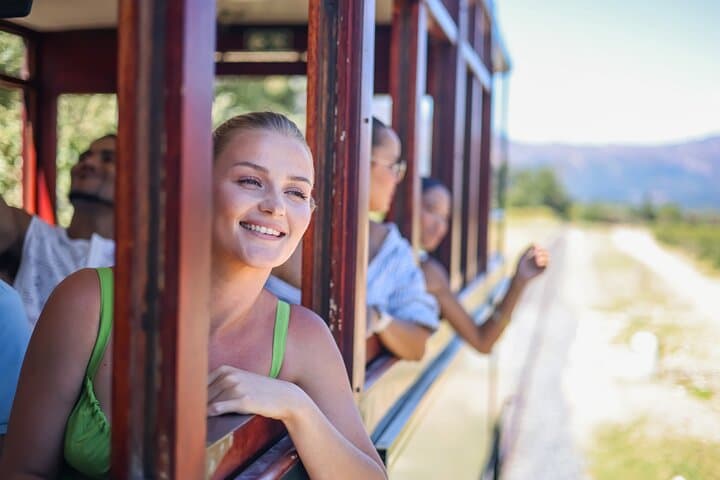
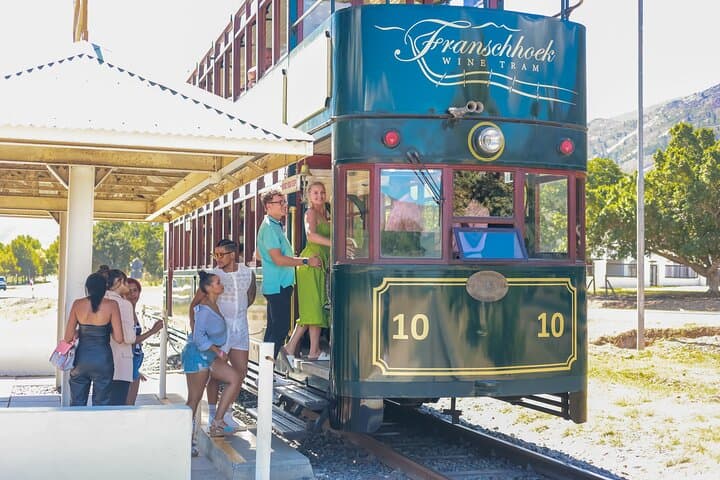
Spend a full day touring South Africa’s Winelands from Cape Town: explore Stellenbosch architecture, taste chocolate‑paired wines at Lanzerac, savor Tokara’s views, then ride the Franschhoek wine tram between farms. Practical, small‑group touring with hotel pickup.
Spend a full day touring South Africa’s Winelands from Cape Town: explore Stellenbosch architecture, taste chocolate‑paired wines at Lanzerac, savor Tokara’s views, then ride the Franschhoek wine tram between farms. Practical, small‑group touring with hotel pickup.
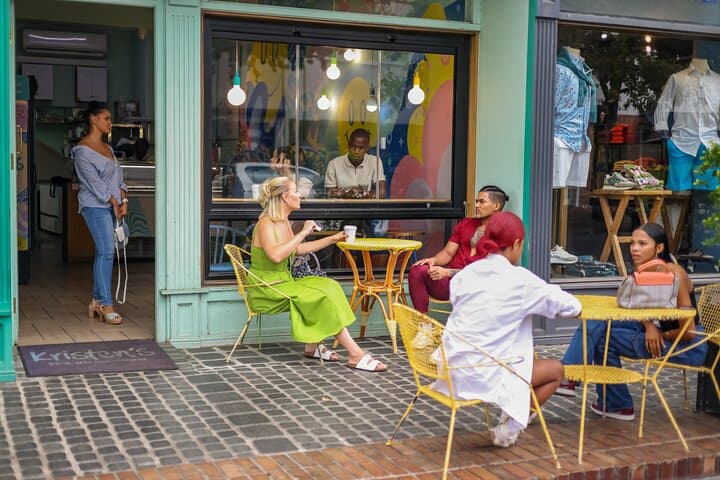
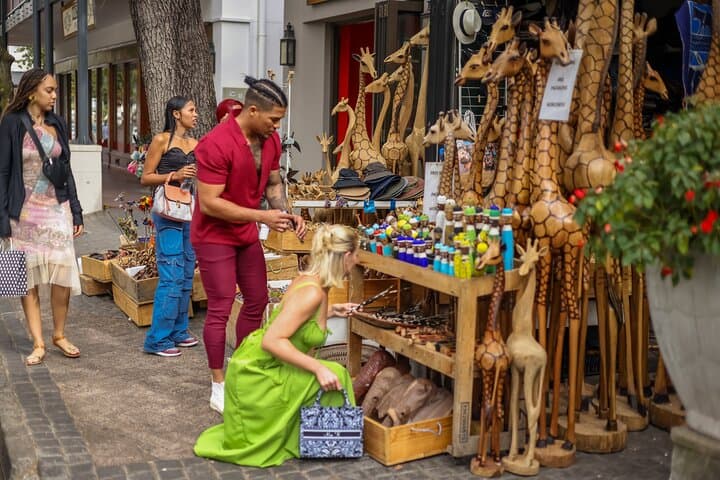
The morning air on the N2 smells of fynbos and diesel as the vehicle climbs away from Cape Town toward the folded ridges of the Winelands. You feel the valley open: Jonkershoek and Drakenstein mountains press in, vineyards running down their flanks like lines on a map. By mid-morning the group steps into Stellenbosch’s oak‑lined streets—Cape Dutch gables, old water furrows, and shops that trade history as readily as coffee.
Verified experiences and guided adventures in the surrounding area.
Operated by Cape Archives Tours · Stellenbosch, Western Cape
The morning air on the N2 smells of fynbos and diesel as the vehicle climbs away from Cape Town toward the folded ridges of the Winelands. You feel the valley open: Jonkershoek and Drakenstein mountains press in, vineyards running down their flanks like lines on a map. By mid-morning the group steps into Stellenbosch’s oak‑lined streets—Cape Dutch gables, old water furrows, and shops that trade history as readily as coffee.
This small-group, 9–10 hour tour threads through the region’s layered history: 17th‑century French Huguenot plantings in Franschhoek, 19th‑century manor houses at Lanzerac, and modern, sun-drenched estates like Tokara that grow on decomposed granite soils. Winemaking here is as much geology as culture; wind-sculpted slopes, clay pockets and granite give each bottle a place to speak from.
Expect two guided tastings at carefully chosen estates (chocolate and wine pairing at Lanzerac; classic varietals at Tokara), a village lunch in Franschhoek, and a tram hop between farms for one or two extra tastings. The guide provides context—vineyard practices, tasting order and tram logistics—and a short cultural stop related to Nelson Mandela’s imprisonment en route back to the city.
Practical notes: pickup and return are in Cape Town in an air‑conditioned vehicle; tours run about 9–10 hours with a maximum of 12 travelers. Bring layered clothing for alpine sun and valley wind, a camera, and a plan for how many pours you want to enjoy—spit buckets or pacing keep the afternoon usable. If you want bottles, estates will help ship or pack purchases for travel.
easy.
9–10 hours.
Suitable for most fitness levels; requires light walking on gravel and paved estate grounds.
Yes—pickup and drop‑off from Cape Town hotels is included; confirm your pickup location at booking.
The itinerary includes guided tastings and wine tram tickets as described, though additional optional tastings or lunches may be at your own expense.
Yes; most estates sell bottles and can provide packaging or ship internationally depending on the winery’s services and export rules.
The tour is physically easy but includes alcohol tastings; pregnant travelers and those avoiding alcohol should inform the operator—non‑alcoholic options are sometimes available.
Franschhoek’s name and early vineyards date to 1688 when French Huguenots were granted land and established many of the region’s winemaking traditions.
Many estates practice sustainable viticulture and water-wise irrigation; visitors should stick to paths and avoid disturbing vineyard cover crops and fynbos to limit erosion and habitat disruption.
Cape Archives Tours operates guided outdoor trips and adventures with an emphasis on safety, stewardship, and memorable experiences.
The morning air on the N2 smells of fynbos and diesel as the vehicle climbs away from Cape Town toward the folded ridges of the Winelands. You feel the valley open: Jonkershoek and Drakenstein mountains press in, vineyards running down their flanks like lines on a map. By mid-morning the group steps into Stellenbosch’s oak‑lined streets—Cape Dutch gables, old water furrows, and shops that trade history as readily as coffee.
The morning air on the N2 smells of fynbos and diesel as the vehicle climbs away from Cape Town toward the folded ridges of the Winelands. You feel the valley open: Jonkershoek and Drakenstein mountains press in, vineyards running down their flanks like lines on a map. By mid-morning the group steps into Stellenbosch’s oak‑lined streets—Cape Dutch gables, old water furrows, and shops that trade history as readily as coffee.
This small-group, 9–10 hour tour threads through the region’s layered history: 17th‑century French Huguenot plantings in Franschhoek, 19th‑century manor houses at Lanzerac, and modern, sun-drenched estates like Tokara that grow on decomposed granite soils. Winemaking here is as much geology as culture; wind-sculpted slopes, clay pockets and granite give each bottle a place to speak from.
Expect two guided tastings at carefully chosen estates (chocolate and wine pairing at Lanzerac; classic varietals at Tokara), a village lunch in Franschhoek, and a tram hop between farms for one or two extra tastings. The guide provides context—vineyard practices, tasting order and tram logistics—and a short cultural stop related to Nelson Mandela’s imprisonment en route back to the city.
Practical notes: pickup and return are in Cape Town in an air‑conditioned vehicle; tours run about 9–10 hours with a maximum of 12 travelers. Bring layered clothing for alpine sun and valley wind, a camera, and a plan for how many pours you want to enjoy—spit buckets or pacing keep the afternoon usable. If you want bottles, estates will help ship or pack purchases for travel.