THE ADVENTURE COLLECTIVE® · Independent discovery and booking for outdoor travel

Spend a full day along the Southern Cape coastline and nearby reserves to watch southern right whales from sea and shore, meet cheetahs at a private sanctuary, and photograph African penguins on the rocks. This intimate, guide-led tour combines a 3-hour boat cruise with short shore walks and private-transport convenience.
Spend a full day along the Southern Cape coastline and nearby reserves to watch southern right whales from sea and shore, meet cheetahs at a private sanctuary, and photograph African penguins on the rocks. This intimate, guide-led tour combines a 3-hour boat cruise with short shore walks and private-transport convenience.
Morning light cuts across Walker Bay as the minibus threads coastal roads—salt and diesel, gulls circling overhead. You step onto a low-slung boat and the ocean immediately asserts itself: cold, braced, and full of sound. Hours later a sanctuary hide offers quiet proximity to a sleek cheetah; by afternoon a colony of African penguins huddles on wind-polished boulders, unconcerned by cameras.
Verified experiences and guided adventures in the surrounding area.
Operated by Florafricana Shuttle and Tours · Cape Town, Western Cape
Morning light cuts across Walker Bay as the minibus threads coastal roads—salt and diesel, gulls circling overhead. You step onto a low-slung boat and the ocean immediately asserts itself: cold, braced, and full of sound. Hours later a sanctuary hide offers quiet proximity to a sleek cheetah; by afternoon a colony of African penguins huddles on wind-polished boulders, unconcerned by cameras.
This full-day itinerary moves between habitats that shaped South Africa’s maritime and veld history. Walker Bay has long been a seasonal nursery for southern right whales, drawn to sheltered coves for calving. The Cape Peninsula’s geology—older granite and younger Table Mountain sandstones—creates the steepshore vistas and sheltered harbors that make land- and sea-based wildlife viewing possible. Local towns grew around fishing and ship repair; today tourism and conservation are central to the economy.
Practical guide: expect a roughly 10-hour day with private transport, short shoreline walks, a circa 3-hour boat cruise, and discrete visits to a private wildlife sanctuary and a penguin colony. Wear layered windproof clothing, non-slip shoes, and bring seasickness remedies if you’re prone to motion. Binoculars, a telephoto lens, and a waterproof camera bag improve sightings and footage. Operators include entrance and boat fees and provide bottled water; note the tour is not recommended for pregnant travelers or those with serious back or heart issues.
Timing matters—peak whale months run in winter to early spring; penguin colonies are viewable year-round but are most active in calmer weather. Follow guides’ instructions at all times: they balance good photo opportunities with minimum disturbance to animals.
easy.
9–10 hours.
Suitable for most fitness levels; requires standing aboard a boat for extended periods and short walking on uneven ground
The cruise portion is about three hours; sightings are common in whale season (winter–early spring) but not guaranteed—wildlife is seasonal and unpredictable.
Children can join, but the tour operator notes it is not recommended for pregnant travelers or those with serious back or heart conditions.
Private transportation is included; final pickup points and times are confirmed at booking—provide your preferred pickup when asked.
Dress in layers, wear sturdy non-slip shoes, bring sun protection, binoculars, a waterproof bag for electronics, and any personal medications.
Coastal settlements around the Cape developed from fishing and ship traffic; Hermanus later gained international recognition for shore-based whale watching, while penguin colonies suffered population declines in the 20th century before conservation measures.
Operators follow regional distance and approach rules for whales and penguins; choose licensed guides who contribute to local conservation efforts and minimize disturbance to breeding sites.
Florafricana Shuttle and Tours operates guided outdoor trips and adventures with an emphasis on safety, stewardship, and memorable experiences.
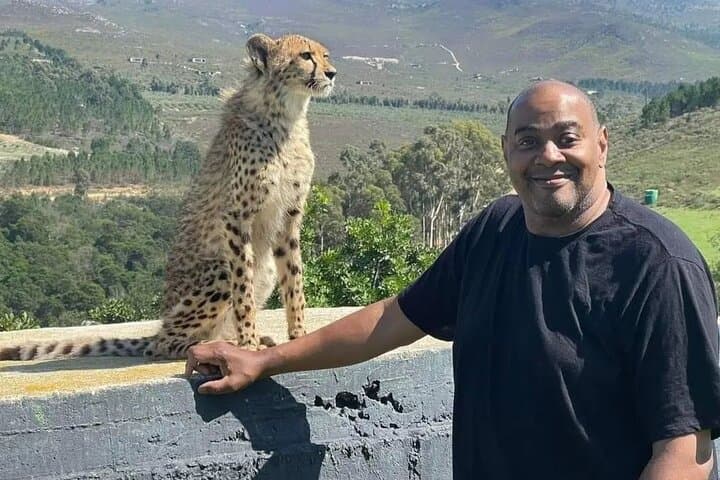
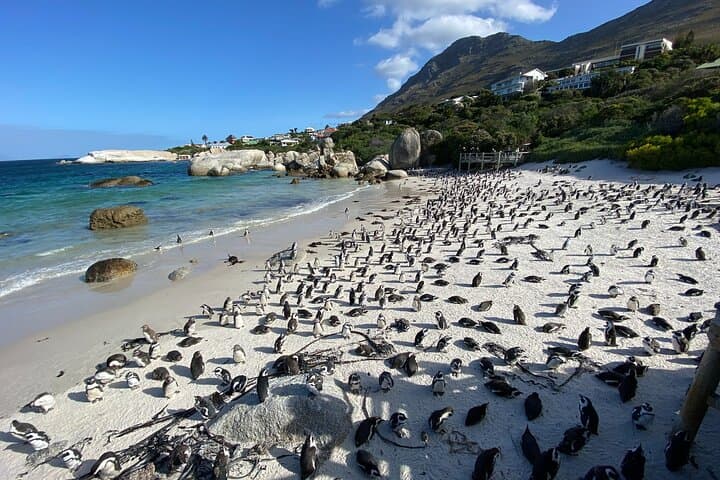
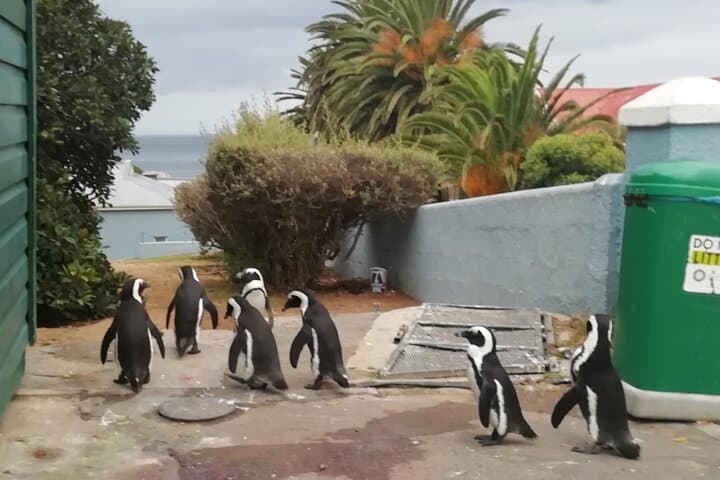
Morning light cuts across Walker Bay as the minibus threads coastal roads—salt and diesel, gulls circling overhead. You step onto a low-slung boat and the ocean immediately asserts itself: cold, braced, and full of sound. Hours later a sanctuary hide offers quiet proximity to a sleek cheetah; by afternoon a colony of African penguins huddles on wind-polished boulders, unconcerned by cameras.
Morning light cuts across Walker Bay as the minibus threads coastal roads—salt and diesel, gulls circling overhead. You step onto a low-slung boat and the ocean immediately asserts itself: cold, braced, and full of sound. Hours later a sanctuary hide offers quiet proximity to a sleek cheetah; by afternoon a colony of African penguins huddles on wind-polished boulders, unconcerned by cameras.
This full-day itinerary moves between habitats that shaped South Africa’s maritime and veld history. Walker Bay has long been a seasonal nursery for southern right whales, drawn to sheltered coves for calving. The Cape Peninsula’s geology—older granite and younger Table Mountain sandstones—creates the steepshore vistas and sheltered harbors that make land- and sea-based wildlife viewing possible. Local towns grew around fishing and ship repair; today tourism and conservation are central to the economy.
Practical guide: expect a roughly 10-hour day with private transport, short shoreline walks, a circa 3-hour boat cruise, and discrete visits to a private wildlife sanctuary and a penguin colony. Wear layered windproof clothing, non-slip shoes, and bring seasickness remedies if you’re prone to motion. Binoculars, a telephoto lens, and a waterproof camera bag improve sightings and footage. Operators include entrance and boat fees and provide bottled water; note the tour is not recommended for pregnant travelers or those with serious back or heart issues.
Timing matters—peak whale months run in winter to early spring; penguin colonies are viewable year-round but are most active in calmer weather. Follow guides’ instructions at all times: they balance good photo opportunities with minimum disturbance to animals.