THE ADVENTURE COLLECTIVE® · Independent discovery and booking for outdoor travel

Step beyond Cape Town’s tourist routes into a changemaker-hosted roundtable with teenagers addressing gender and LGBTQ issues. This three-hour community dialogue combines local history, youth perspectives and practical conversation guided by experienced facilitators.
Step beyond Cape Town’s tourist routes into a changemaker-hosted roundtable with teenagers addressing gender and LGBTQ issues. This three-hour community dialogue combines local history, youth perspectives and practical conversation guided by experienced facilitators.
A narrow lane of painted houses opens onto a low-slung hall where chairs are arranged in a circle and the smell of simmering stew and fresh bread threads through the air. Guests step out of central Cape Town’s tourist rhythm and into a township roundtable led by local changemakers — parents, youth workers and teenagers — who challenge assumptions and offer lived perspective on gender, masculinity and LGBTQ inclusion.
Verified experiences and guided adventures in the surrounding area.
Operated by Side by Side Experiences & Tours · Cape Town, Western Cape
A narrow lane of painted houses opens onto a low-slung hall where chairs are arranged in a circle and the smell of simmering stew and fresh bread threads through the air. Guests step out of central Cape Town’s tourist rhythm and into a township roundtable led by local changemakers — parents, youth workers and teenagers — who challenge assumptions and offer lived perspective on gender, masculinity and LGBTQ inclusion.
The conversation sits on a backdrop of recent South African history: the townships formed under apartheid, later becoming hubs of resistance, community organization and creative social programs. Table Mountain’s granite and sandstone still cut the skyline, a geological reminder of the land’s permanence while community norms continue to shift. Hosts often draw on programs like Boys-to-Men workshops, youth camps and healing sessions to frame questions about toxic masculinity, allyship and practical steps toward equality.
This is not a lecture but a facilitated dialogue: expect a 90-minute moderated discussion with prompts, Q&A, finger foods, and time to interact with teen participants when that add-on is booked. An SbS guide accompanies the group from pick-up to drop-off, handles logistics, and there’s an optional photoshoot add-on for same-day images.
Practical guidance: arrive with curiosity and respect, ask permission before photographing, and come ready to listen — small gestures of cultural sensitivity go a long way. The experience is wheelchair and stroller accessible, suitable for all fitness levels, and runs about three hours. Bring a reusable water bottle, modest clothing for indoor community spaces, and questions that prioritize learning over debating. This is community-led engagement: dress and behave in ways that center participants’ dignity.
easy.
3 hours.
Suitable for all fitness levels; minimal physical activity beyond short walks and seated discussion
Infants and small children can attend (stroller accessible). Teen participants may join if you select that add-on—check the booking details for specifics.
Yes; the itinerary notes that all areas and surfaces are wheelchair accessible and the experience accommodates strollers.
Photography should be requested and agreed to by participants; a professional photoshoot add-on is available for guaranteed images.
For a full refund cancel at least 24 hours before the scheduled start; the activity may be canceled for bad weather or insufficient travelers.
Townships around Cape Town were shaped by apartheid-era spatial planning and later became centers of community organizing and youth-led social programs.
Bookings support local changemakers through a charitable pledge; guests are encouraged to practice low-impact tourism and follow host guidance to minimize disruption.
Side by Side Experiences & Tours operates guided outdoor trips and adventures with an emphasis on safety, stewardship, and memorable experiences.
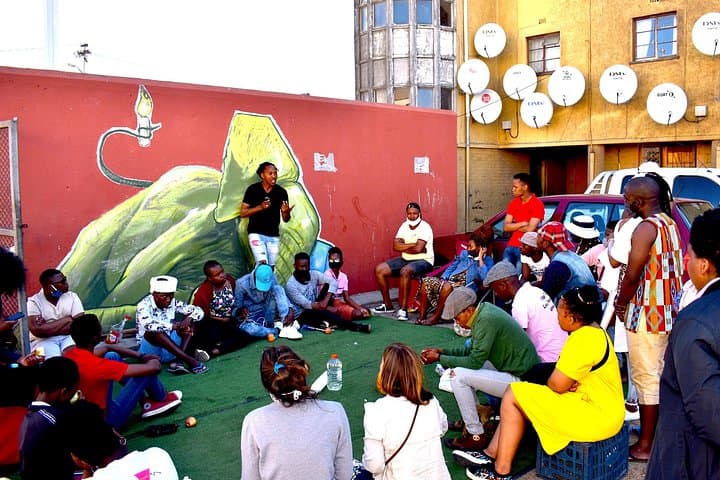
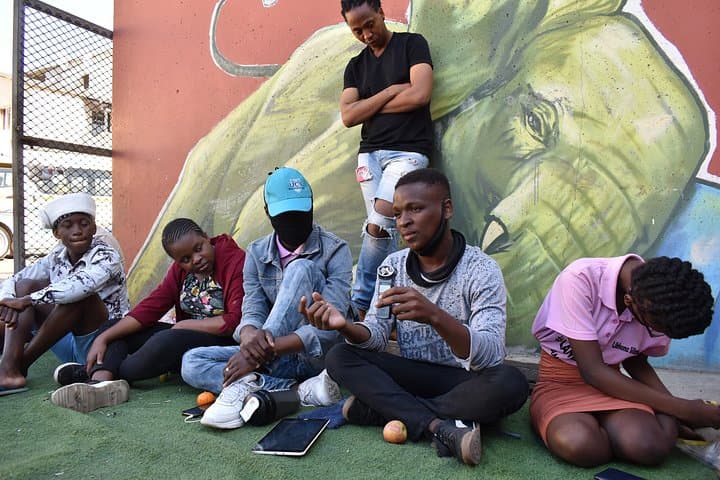
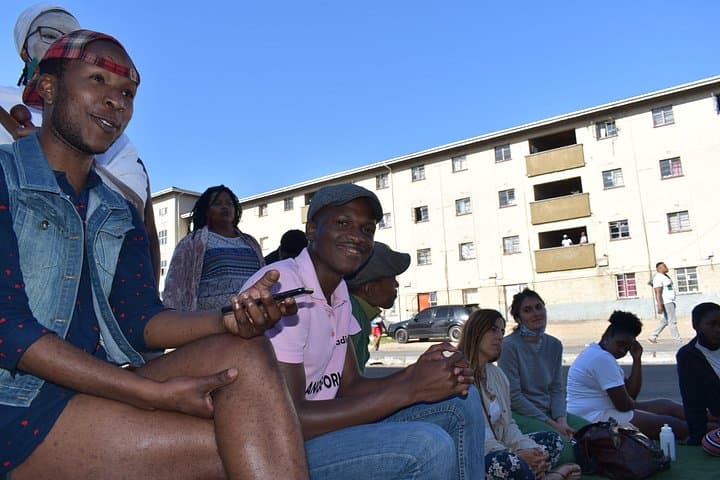
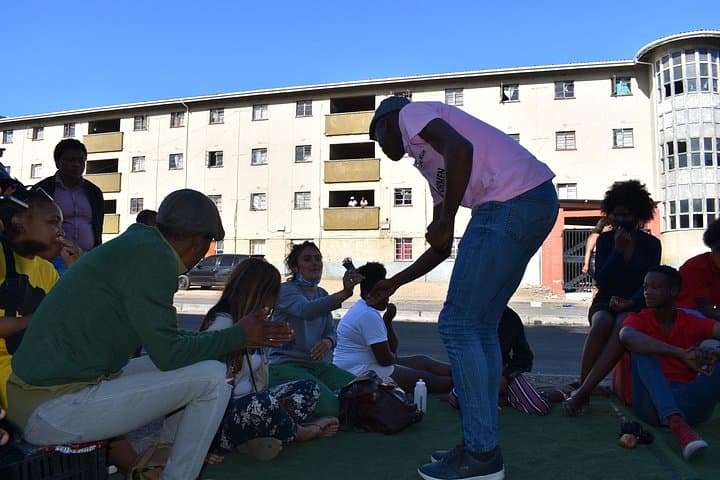
A narrow lane of painted houses opens onto a low-slung hall where chairs are arranged in a circle and the smell of simmering stew and fresh bread threads through the air. Guests step out of central Cape Town’s tourist rhythm and into a township roundtable led by local changemakers — parents, youth workers and teenagers — who challenge assumptions and offer lived perspective on gender, masculinity and LGBTQ inclusion.
A narrow lane of painted houses opens onto a low-slung hall where chairs are arranged in a circle and the smell of simmering stew and fresh bread threads through the air. Guests step out of central Cape Town’s tourist rhythm and into a township roundtable led by local changemakers — parents, youth workers and teenagers — who challenge assumptions and offer lived perspective on gender, masculinity and LGBTQ inclusion.
The conversation sits on a backdrop of recent South African history: the townships formed under apartheid, later becoming hubs of resistance, community organization and creative social programs. Table Mountain’s granite and sandstone still cut the skyline, a geological reminder of the land’s permanence while community norms continue to shift. Hosts often draw on programs like Boys-to-Men workshops, youth camps and healing sessions to frame questions about toxic masculinity, allyship and practical steps toward equality.
This is not a lecture but a facilitated dialogue: expect a 90-minute moderated discussion with prompts, Q&A, finger foods, and time to interact with teen participants when that add-on is booked. An SbS guide accompanies the group from pick-up to drop-off, handles logistics, and there’s an optional photoshoot add-on for same-day images.
Practical guidance: arrive with curiosity and respect, ask permission before photographing, and come ready to listen — small gestures of cultural sensitivity go a long way. The experience is wheelchair and stroller accessible, suitable for all fitness levels, and runs about three hours. Bring a reusable water bottle, modest clothing for indoor community spaces, and questions that prioritize learning over debating. This is community-led engagement: dress and behave in ways that center participants’ dignity.