THE ADVENTURE COLLECTIVE® · Independent discovery and booking for outdoor travel

Take a day trip from Cape Town into the Cape Winelands for three curated tastings—often including historic Spier—set against Helderberg and Simonsberg views. This private, air‑conditioned tour pairs approachable cellar talks with a shared cheese platter and return transfers.
Take a day trip from Cape Town into the Cape Winelands for three curated tastings—often including historic Spier—set against Helderberg and Simonsberg views. This private, air‑conditioned tour pairs approachable cellar talks with a shared cheese platter and return transfers.
Morning light at the V&A Waterfront lifts off the harbor as an air‑conditioned shuttle threads the N2 toward the Cape Winelands. Vine rows roll out beneath the Helderberg and Simonsberg ranges; the driver eases into quiet roads and the day narrows to scent—grape skins, cut grass, cellar oak.
Verified experiences and guided adventures in the surrounding area.
Operated by The Tour ist · Cape Town, Western Cape
Morning light at the V&A Waterfront lifts off the harbor as an air‑conditioned shuttle threads the N2 toward the Cape Winelands. Vine rows roll out beneath the Helderberg and Simonsberg ranges; the driver eases into quiet roads and the day narrows to scent—grape skins, cut grass, cellar oak.
The route crosses a landscape shaped by 17th‑century settlement and volcanic and sedimentary soils that favor both savoury reds and crisp whites. Spier, with winemaking roots reaching back to 1692, is often on the roster; contemporary producers such as La Motte and Beyerskloof represent the region’s range from Cape Dutch estates to lean, fruit-forward cellars. Franschhoek and Stellenbosch towns carry centuries of viticultural culture—stone homesteads, oak‑lined streets and tasting rooms that double as conversation hubs.
On a practical level, the tour is a full day—roughly seven hours—with three guided tastings and a shared cheese platter at Spier. Expect short walks across gravel and lawns, terrace seating with mountain views, and informal cellar explanations rather than technical seminars. Pace your palate: spit buckets are available, transport is provided from Cape Town and back to the V&A Waterfront, and the operator accommodates small private groups.
Bring a reusable water bottle, comfortable shoes for uneven ground, and time your visit for late morning departures to avoid afternoon traffic. The Cape’s sun can be assertive; sunglasses and a hat sharpen the experience. With straightforward logistics and vineyards that alternate rustic charm and modern hospitality, this outing is an accessible way to read the winelands by taste and view.
easy.
6–7 hours.
Light activity only—able to walk short distances on uneven ground and stand for tastings.
Yes—three wine tastings are included and a cheese platter for two is provided at Spier as noted in the itinerary.
Pick up and drop off are typically at the V&A Waterfront (Two Oceans Aquarium) in Cape Town; timing may vary with traffic.
The operator lists the tour as not recommended for pregnant travelers; infants may join but must sit on an adult’s lap.
Walking is light—short distances across lawns, gravel and tasting rooms; no strenuous hikes are required.
Stellenbosch and the Franschhoek valley were established during Dutch colonial expansion in the late 17th century; Spier records winemaking activity from 1692, making it one of the region’s oldest farms.
The Western Cape faces seasonal water constraints, so many estates use efficient irrigation and habitat patches; visitors help by avoiding off‑trail walking and disposing of waste responsibly.
The Tour ist operates guided outdoor trips and adventures with an emphasis on safety, stewardship, and memorable experiences.
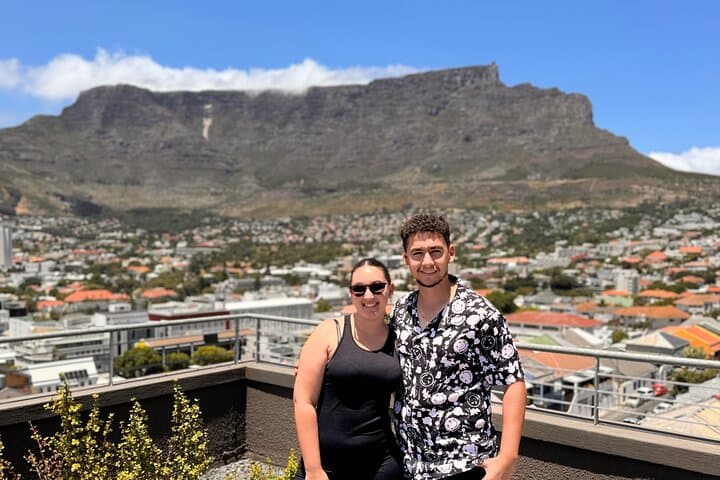



Morning light at the V&A Waterfront lifts off the harbor as an air‑conditioned shuttle threads the N2 toward the Cape Winelands. Vine rows roll out beneath the Helderberg and Simonsberg ranges; the driver eases into quiet roads and the day narrows to scent—grape skins, cut grass, cellar oak.
Morning light at the V&A Waterfront lifts off the harbor as an air‑conditioned shuttle threads the N2 toward the Cape Winelands. Vine rows roll out beneath the Helderberg and Simonsberg ranges; the driver eases into quiet roads and the day narrows to scent—grape skins, cut grass, cellar oak.
The route crosses a landscape shaped by 17th‑century settlement and volcanic and sedimentary soils that favor both savoury reds and crisp whites. Spier, with winemaking roots reaching back to 1692, is often on the roster; contemporary producers such as La Motte and Beyerskloof represent the region’s range from Cape Dutch estates to lean, fruit-forward cellars. Franschhoek and Stellenbosch towns carry centuries of viticultural culture—stone homesteads, oak‑lined streets and tasting rooms that double as conversation hubs.
On a practical level, the tour is a full day—roughly seven hours—with three guided tastings and a shared cheese platter at Spier. Expect short walks across gravel and lawns, terrace seating with mountain views, and informal cellar explanations rather than technical seminars. Pace your palate: spit buckets are available, transport is provided from Cape Town and back to the V&A Waterfront, and the operator accommodates small private groups.
Bring a reusable water bottle, comfortable shoes for uneven ground, and time your visit for late morning departures to avoid afternoon traffic. The Cape’s sun can be assertive; sunglasses and a hat sharpen the experience. With straightforward logistics and vineyards that alternate rustic charm and modern hospitality, this outing is an accessible way to read the winelands by taste and view.