THE ADVENTURE COLLECTIVE® · Independent discovery and booking for outdoor travel

Travel from Cape Town to Hermanus for a full-day whale watching excursion with hotel pickup, a 2–3 hour boat search, and chances to see Southern Right whales, humpbacks, penguins and seals. This practical guide covers what to expect at sea, logistics, and how to prepare for the best sightings.
Travel from Cape Town to Hermanus for a full-day whale watching excursion with hotel pickup, a 2–3 hour boat search, and chances to see Southern Right whales, humpbacks, penguins and seals. This practical guide covers what to expect at sea, logistics, and how to prepare for the best sightings.
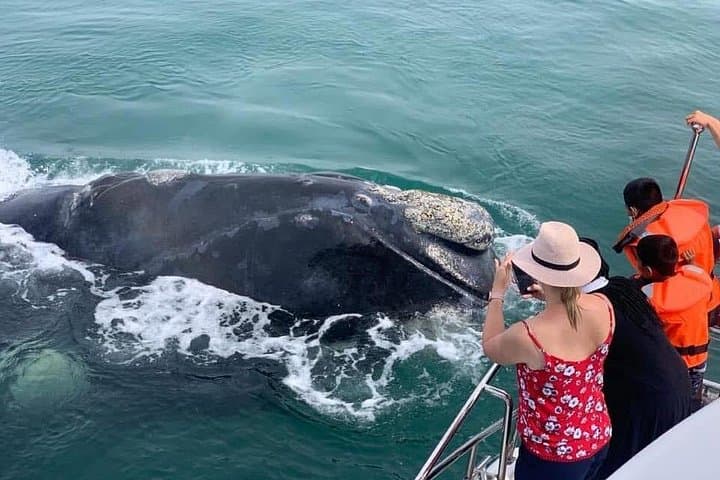
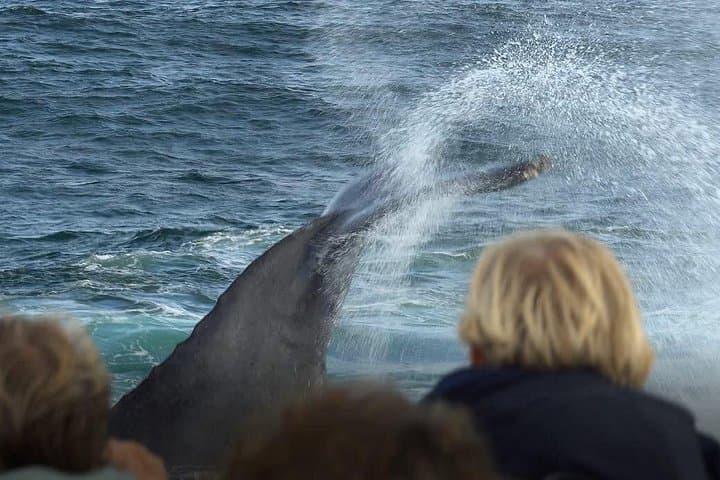
Morning light over the Atlantic turns the windows to sheets of silver as the van eases out of Cape Town and the mountains open toward the sea. The R44 unfurls along low farmland and rugged coastline; by the time you arrive at Hermanus New Harbour the air carries kelp and salt and the harbor hums with fishing boats and guides checking gear. On a modern shared boat the skipper scans the swell, the crew mans the binoculars, and you wait for a fluke or a broad back to rise and mark a whale’s presence.
Verified experiences and guided adventures in the surrounding area.
Operated by T4C SOUTH AFRICAN TOURS · Hermanus, Western Cape
Morning light over the Atlantic turns the windows to sheets of silver as the van eases out of Cape Town and the mountains open toward the sea. The R44 unfurls along low farmland and rugged coastline; by the time you arrive at Hermanus New Harbour the air carries kelp and salt and the harbor hums with fishing boats and guides checking gear. On a modern shared boat the skipper scans the swell, the crew mans the binoculars, and you wait for a fluke or a broad back to rise and mark a whale’s presence.
Hermanus occupies a rocky stretch of the Western Cape where cold, nutrient-rich upwelling draws plankton, krill, and the whales that follow them. The coastline’s granite headlands and sheltered coves mean whales often come close to shore, a trait that turned a 19th-century whaling economy into a 20th-century conservation focus and a contemporary eco-tourism hub. Local culture mixes fishing, wine estates and marine research — Benguela Cove is a popular post-trip stop.
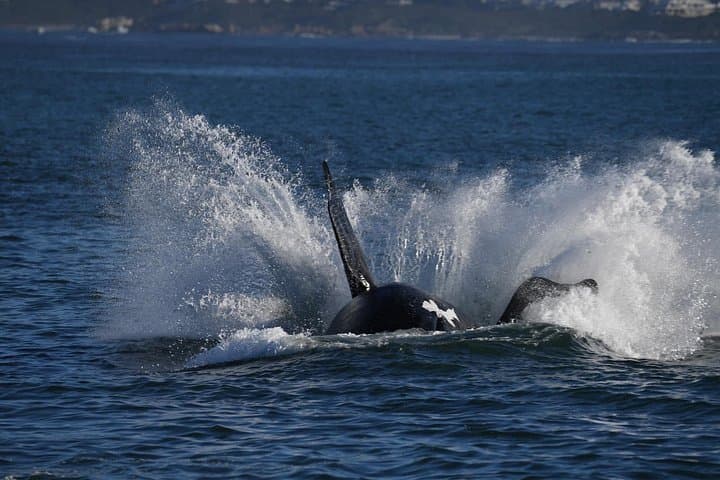
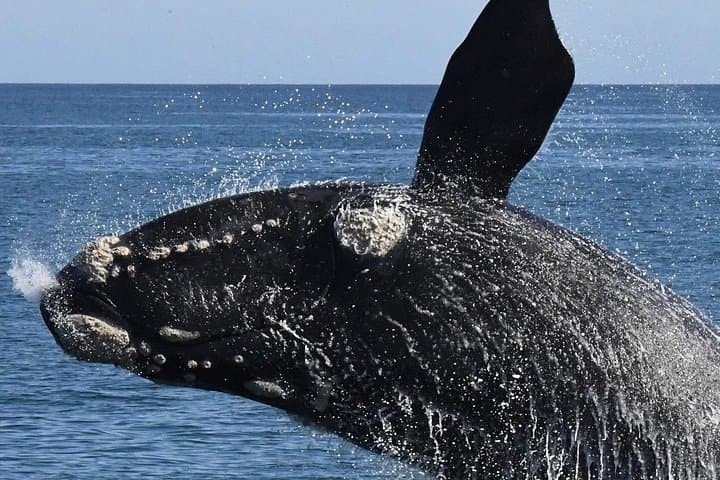
Expect a 2–3 hour sea excursion with live commentary and onboard toilet facilities, plus hotel pickup from Cape Town (about 1.5 hours each way). Best sightings run June–December for Southern Right and migrating Humpbacks; orcas and penguins are occasional highlights. Practical notes: take seasickness prevention, layer windproof clothing, bring binoculars and a 200–400mm equivalent for photos, and follow crew safety briefings. Mornings tend to be calmer and offer cleaner light for sightings and photography.
easy.
7 hours (approx.).
Light fitness; participants should be able to board a small boat and stand or sit for a few hours.
June–December offers the highest probability for Southern Right and migrating Humpback whales, but sightings are never guaranteed; operators maximize time on the water and use local spotters to increase chances.
Infants must sit on an adult’s lap; the trip is generally family-friendly but not recommended for very young infants who may be uncomfortable on a moving boat.
Pickup is from Cape Town hotels between 6–9am, drive time to Hermanus is about 1.5 hours each way, and drop-off returns to your Cape Town accommodation at the end of the day.
This tour is not recommended for travelers with serious spinal injuries, cardiovascular problems, or those who are pregnant due to boat motion and limited medical facilities at sea.
Hermanus transitioned from a 19th-century whaling coastal economy to conservation and whale-watching tourism in the 20th century, with local groups helping protect breeding grounds.
Operators follow local marine guidelines—keep distance during approaches and avoid disturbance; support operators that contribute to research and local protection efforts.
T4C SOUTH AFRICAN TOURS operates guided outdoor trips and adventures with an emphasis on safety, stewardship, and memorable experiences.
Morning light over the Atlantic turns the windows to sheets of silver as the van eases out of Cape Town and the mountains open toward the sea. The R44 unfurls along low farmland and rugged coastline; by the time you arrive at Hermanus New Harbour the air carries kelp and salt and the harbor hums with fishing boats and guides checking gear. On a modern shared boat the skipper scans the swell, the crew mans the binoculars, and you wait for a fluke or a broad back to rise and mark a whale’s presence.
Morning light over the Atlantic turns the windows to sheets of silver as the van eases out of Cape Town and the mountains open toward the sea. The R44 unfurls along low farmland and rugged coastline; by the time you arrive at Hermanus New Harbour the air carries kelp and salt and the harbor hums with fishing boats and guides checking gear. On a modern shared boat the skipper scans the swell, the crew mans the binoculars, and you wait for a fluke or a broad back to rise and mark a whale’s presence.
Hermanus occupies a rocky stretch of the Western Cape where cold, nutrient-rich upwelling draws plankton, krill, and the whales that follow them. The coastline’s granite headlands and sheltered coves mean whales often come close to shore, a trait that turned a 19th-century whaling economy into a 20th-century conservation focus and a contemporary eco-tourism hub. Local culture mixes fishing, wine estates and marine research — Benguela Cove is a popular post-trip stop.
Expect a 2–3 hour sea excursion with live commentary and onboard toilet facilities, plus hotel pickup from Cape Town (about 1.5 hours each way). Best sightings run June–December for Southern Right and migrating Humpbacks; orcas and penguins are occasional highlights. Practical notes: take seasickness prevention, layer windproof clothing, bring binoculars and a 200–400mm equivalent for photos, and follow crew safety briefings. Mornings tend to be calmer and offer cleaner light for sightings and photography.