THE ADVENTURE COLLECTIVE® · Independent discovery and booking for outdoor travel

A focused, two-hour audio-guided tour through Cape Town’s slave history starting at Company’s Garden. Explore landmarks tied to slavery, hear genealogical research brought to life, and walk with a clear, historically grounded narrative.
A focused, two-hour audio-guided tour through Cape Town’s slave history starting at Company’s Garden. Explore landmarks tied to slavery, hear genealogical research brought to life, and walk with a clear, historically grounded narrative.
You step out of the brisk Cape Town breeze into the cool shade of Company’s Garden, the city bowl opening like a map beneath Table Mountain’s steady watch. Paved paths lead toward a compact museum that concentrates centuries of human movement into rooms, objects and stories — the audio guide settling over the narrative like a steady voice guiding you through the city’s hardest chapters.
Verified experiences and guided adventures in the surrounding area.
Operated by Matadi Africa And Travel Tours · Cape Town, Western Cape
You step out of the brisk Cape Town breeze into the cool shade of Company’s Garden, the city bowl opening like a map beneath Table Mountain’s steady watch. Paved paths lead toward a compact museum that concentrates centuries of human movement into rooms, objects and stories — the audio guide settling over the narrative like a steady voice guiding you through the city’s hardest chapters.
The tour traces slavery in the Cape from the Dutch East India Company era in the 17th century through abolition, connecting sites where enslaved people lived, worked and were punished: the Place of Justice, burial grounds such as the Prestwich Memorial, and the buildings that later became public institutions. Geology and topography frame the story — the rounded shoulders of Table Mountain and the trade winds that brought ships to the bay are part of the logistical story of empire.
Locally, the tour is rooted in living memory and genealogy; guides reference family research that reclaimed names and places. Cultural layers — Malay, Indonesian, African and European influences — are visible in architecture, food and street names near the CBD.
Practical notes: the experience runs about two hours, is low-impact walking with skip-the-line admission, and uses a self-paced audio guide. Wear comfortable shoes, carry water, and allow time after the museum to visit the adjacent Company’s Garden and nearby Iziko Museums. Photography policies and fragile exhibits mean you should listen for guidance on flash and touching artifacts. The tour is suitable for most visitors seeking a grounded, historically precise account of Cape Town’s slave history.
easy.
2 hours.
Suitable for most fitness levels; includes short, flat walks and standing during exhibits
Yes — the tour is sold with an audio-guided format that you use during the two-hour visit; check the vendor instructions for downloading or device pickup.
The route is primarily on level surfaces and suited to most mobility needs, but contact the operator ahead of time to confirm elevator access or special assistance.
English is the primary language for this offering; inquire with the operator about language support or multilingual audio tracks before booking.
Photography may be restricted for some artifacts; follow on-site signage and staff instructions regarding flash and close-up images.
Slavery at the Cape began under the Dutch East India Company in the 17th century, bringing people from East Africa, Madagascar, India and the Indonesian archipelago and shaping Cape Town’s multicultural heritage.
The museums and memorials emphasize preservation of fragile artifacts and respectful interpretation; visitors should follow guidelines to minimize impact and support local heritage programs.
Matadi Africa And Travel Tours operates guided outdoor trips and adventures with an emphasis on safety, stewardship, and memorable experiences.
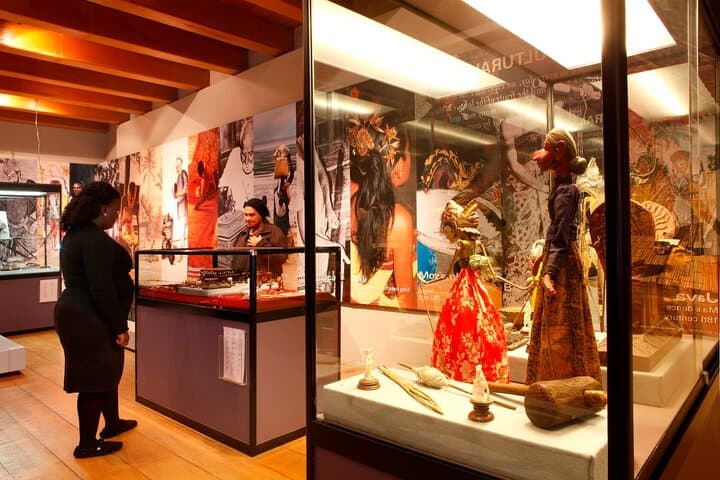
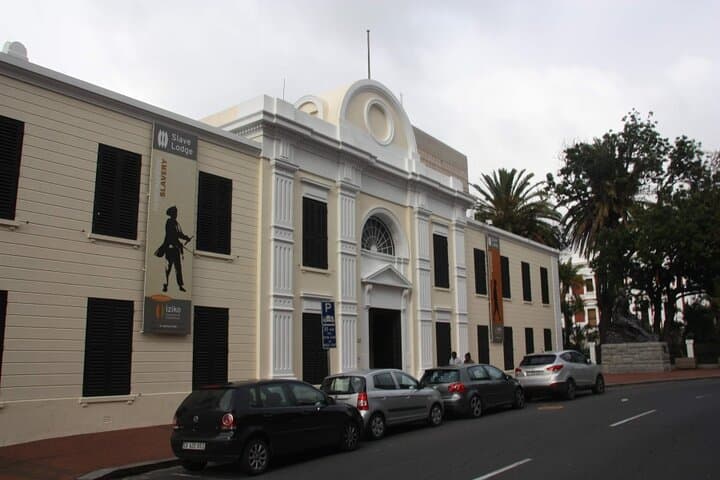
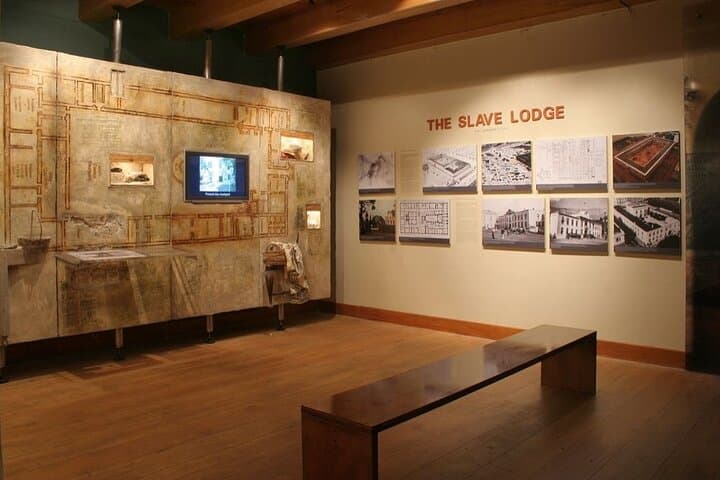

You step out of the brisk Cape Town breeze into the cool shade of Company’s Garden, the city bowl opening like a map beneath Table Mountain’s steady watch. Paved paths lead toward a compact museum that concentrates centuries of human movement into rooms, objects and stories — the audio guide settling over the narrative like a steady voice guiding you through the city’s hardest chapters.
You step out of the brisk Cape Town breeze into the cool shade of Company’s Garden, the city bowl opening like a map beneath Table Mountain’s steady watch. Paved paths lead toward a compact museum that concentrates centuries of human movement into rooms, objects and stories — the audio guide settling over the narrative like a steady voice guiding you through the city’s hardest chapters.
The tour traces slavery in the Cape from the Dutch East India Company era in the 17th century through abolition, connecting sites where enslaved people lived, worked and were punished: the Place of Justice, burial grounds such as the Prestwich Memorial, and the buildings that later became public institutions. Geology and topography frame the story — the rounded shoulders of Table Mountain and the trade winds that brought ships to the bay are part of the logistical story of empire.
Locally, the tour is rooted in living memory and genealogy; guides reference family research that reclaimed names and places. Cultural layers — Malay, Indonesian, African and European influences — are visible in architecture, food and street names near the CBD.
Practical notes: the experience runs about two hours, is low-impact walking with skip-the-line admission, and uses a self-paced audio guide. Wear comfortable shoes, carry water, and allow time after the museum to visit the adjacent Company’s Garden and nearby Iziko Museums. Photography policies and fragile exhibits mean you should listen for guidance on flash and touching artifacts. The tour is suitable for most visitors seeking a grounded, historically precise account of Cape Town’s slave history.