THE ADVENTURE COLLECTIVE® · Independent discovery and booking for outdoor travel

Spend a full day exploring Stellenbosch, Paarl and Franschhoek with private transport, cellar tours and curated tastings. This accessible eight‑hour tour pairs regional geology and history with guided wine experiences—ideal for first‑time visitors who want context with their corks.
Spend a full day exploring Stellenbosch, Paarl and Franschhoek with private transport, cellar tours and curated tastings. This accessible eight‑hour tour pairs regional geology and history with guided wine experiences—ideal for first‑time visitors who want context with their corks.
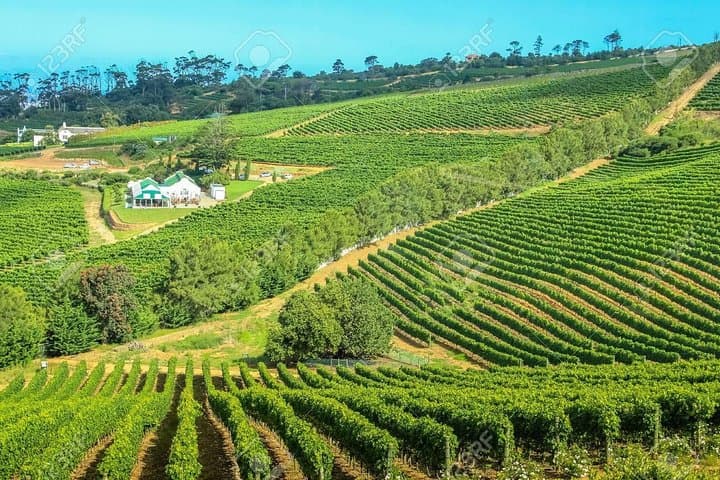
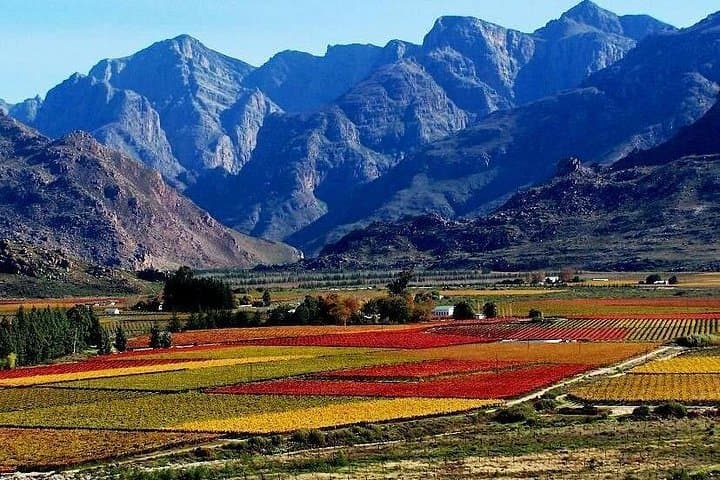
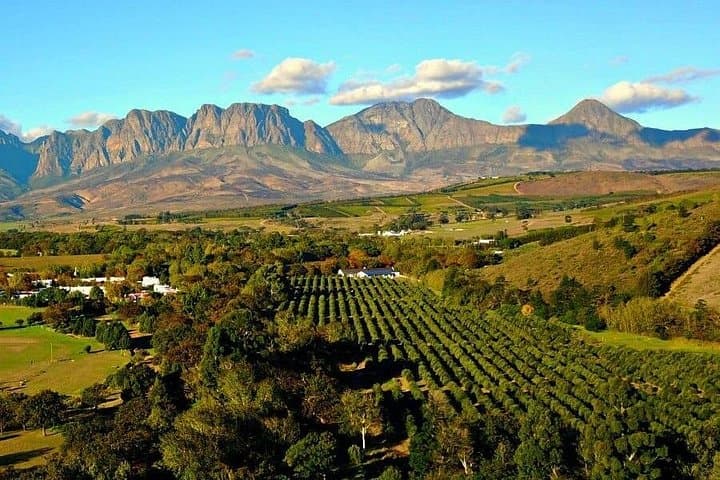
A cool morning lifts off Cape Town Harbor and the vehicle winds east, vineyards unfurling like ordered rows of expectation. The driver eases through oak-lined Dorp Street in Stellenbosch, where Cape Dutch gables cast long shadows and the air tastes faintly of fermenting grapes. Over eight hours the route threads Paarl’s granite domes, the low sweep of Simonsberg and the picture-book village of Franschhoek; each stop hands you a different glass and a different story.
Verified experiences and guided adventures in the surrounding area.
Operated by Matadi Africa And Travel Tours · Stellenbosch, Western Cape
A cool morning lifts off Cape Town Harbor and the vehicle winds east, vineyards unfurling like ordered rows of expectation. The driver eases through oak-lined Dorp Street in Stellenbosch, where Cape Dutch gables cast long shadows and the air tastes faintly of fermenting grapes. Over eight hours the route threads Paarl’s granite domes, the low sweep of Simonsberg and the picture-book village of Franschhoek; each stop hands you a different glass and a different story.
Winemaking here traces to 17th‑ and 18th‑century Huguenot settlers and centuries of irrigation, grafting, and cellar craft. Geology matters: granite shoulders and decomposed shale give Stellenbosch structure, while Paarl’s warmer, granite-rich slopes produce riper fruit. Cultural notes arrive in brief—Victor Verster prison’s link to Mandela, the Huguenot Memorial in Franschhoek—and in slower rhythms at estate cellars and farm kitchens.
Practically, expect several short cellar tours, structured tastings and a tram spin in Franschhoek. Tastings can be brisk; palate fatigue is real, so pace yourself between estates. The drive is comfortable—air‑conditioned vehicle with onboard restroom—and accessible for most mobility levels. Bring ID for tastings and confirm pickup details early; the operator runs private transfers and can accommodate families and wheelchairs. Timing matters: late afternoon light softens vines and sharpens views, and avoiding midday heat in summer improves comfort. This is a day to balance curiosity with restraint—sip with attention, step into courtyard gardens between tastings, and let the winelands reveal their geography one glass at a time.
easy.
8 hours.
Suitable for most fitness levels; requires light walking on uneven cellar paths and short hills
Yes—private, air‑conditioned transport with onboard restroom is included and the tour offers pickup and drop‑off.
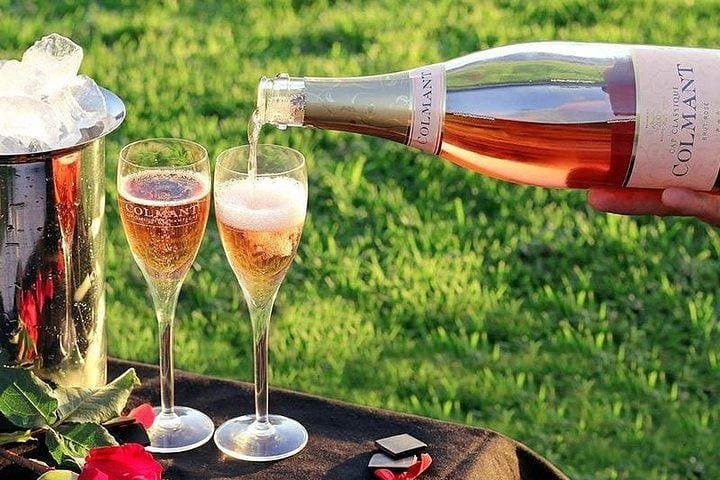
Wine tastings and at least one cellar tour with cheese pairing are included, though some estates may charge for premium tastings or extras.
The operator notes wheelchair‑accessible transport and surfaces, but accessibility within individual estates can vary—notify the operator of needs when booking.
All sales are final per booking terms; there are no refunds for cancellations, so confirm plans before paying.
The Cape Winelands were shaped by 17th‑ and 18th‑century Huguenot settlers who established many estates; sites like Victor Verster link the region to South Africa’s recent political history.
The Western Cape faces water stress; many estates practice water‑wise viticulture and encourage guests to use refillable bottles and respect biodiversity on farmlands.
Matadi Africa And Travel Tours operates guided outdoor trips and adventures with an emphasis on safety, stewardship, and memorable experiences.
A cool morning lifts off Cape Town Harbor and the vehicle winds east, vineyards unfurling like ordered rows of expectation. The driver eases through oak-lined Dorp Street in Stellenbosch, where Cape Dutch gables cast long shadows and the air tastes faintly of fermenting grapes. Over eight hours the route threads Paarl’s granite domes, the low sweep of Simonsberg and the picture-book village of Franschhoek; each stop hands you a different glass and a different story.
A cool morning lifts off Cape Town Harbor and the vehicle winds east, vineyards unfurling like ordered rows of expectation. The driver eases through oak-lined Dorp Street in Stellenbosch, where Cape Dutch gables cast long shadows and the air tastes faintly of fermenting grapes. Over eight hours the route threads Paarl’s granite domes, the low sweep of Simonsberg and the picture-book village of Franschhoek; each stop hands you a different glass and a different story.
Winemaking here traces to 17th‑ and 18th‑century Huguenot settlers and centuries of irrigation, grafting, and cellar craft. Geology matters: granite shoulders and decomposed shale give Stellenbosch structure, while Paarl’s warmer, granite-rich slopes produce riper fruit. Cultural notes arrive in brief—Victor Verster prison’s link to Mandela, the Huguenot Memorial in Franschhoek—and in slower rhythms at estate cellars and farm kitchens.
Practically, expect several short cellar tours, structured tastings and a tram spin in Franschhoek. Tastings can be brisk; palate fatigue is real, so pace yourself between estates. The drive is comfortable—air‑conditioned vehicle with onboard restroom—and accessible for most mobility levels. Bring ID for tastings and confirm pickup details early; the operator runs private transfers and can accommodate families and wheelchairs. Timing matters: late afternoon light softens vines and sharpens views, and avoiding midday heat in summer improves comfort. This is a day to balance curiosity with restraint—sip with attention, step into courtyard gardens between tastings, and let the winelands reveal their geography one glass at a time.