THE ADVENTURE COLLECTIVE® · Independent discovery and booking for outdoor travel

Walk Cape Town’s CBD with a private guide: specialty coffee, Cape Malay snacks, and stops at District Six, City Hall and Bo-Kaap. This full-day, accessible food tour pairs history with local flavors and short urban walks.
Walk Cape Town’s CBD with a private guide: specialty coffee, Cape Malay snacks, and stops at District Six, City Hall and Bo-Kaap. This full-day, accessible food tour pairs history with local flavors and short urban walks.
Morning light hits the limestone façade of City Hall and the city exhales — a salt-scented breeze rolling off Table Bay as vendors set out spice-laden stalls. On a private walking food tour through Cape Town’s CBD, the rhythm is human: coffee steam, market calls, the cushioning clack of pedestrian cobbles underfoot.
Verified experiences and guided adventures in the surrounding area.
Operated by EnzoKuhle South Africa · Cape Town, Western Cape
Morning light hits the limestone façade of City Hall and the city exhales — a salt-scented breeze rolling off Table Bay as vendors set out spice-laden stalls. On a private walking food tour through Cape Town’s CBD, the rhythm is human: coffee steam, market calls, the cushioning clack of pedestrian cobbles underfoot.
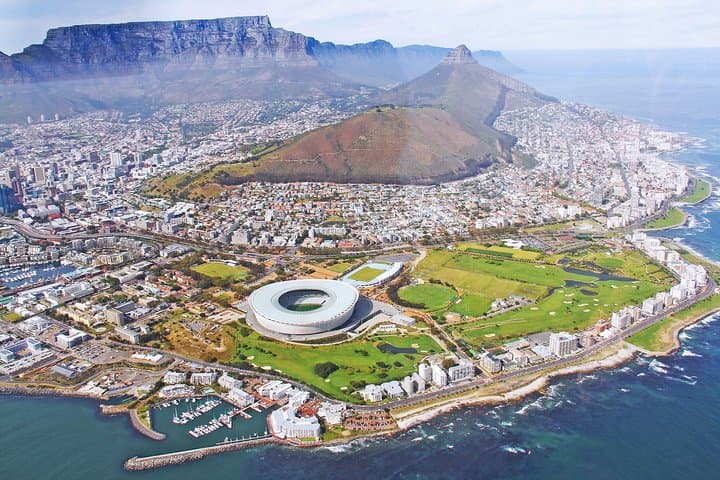
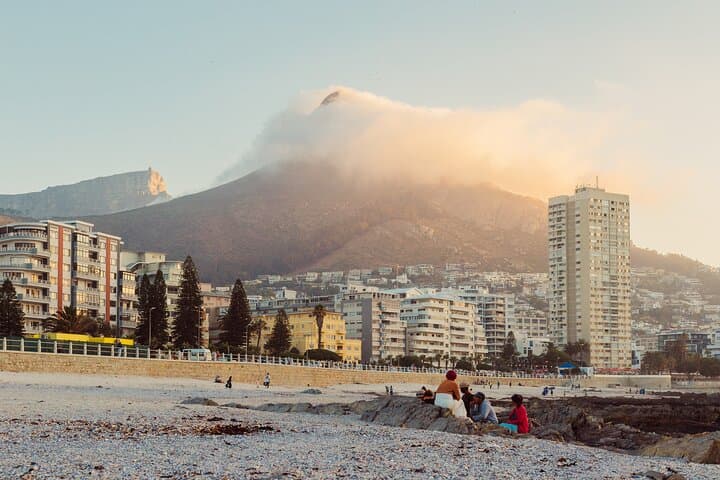
The route threads colonial architecture and contested history: District Six’s museum tells of forced removals; the Slave Lodge recounts the Cape’s role in the slave trade; City Hall frames Mandela’s first public address after prison. Geology is never far away — Table Mountain looms as an ancient granite shoulder, its slopes casting a cooling shadow over Signal Hill and the Malay Quarter below.
Culturally, the tour is a living classroom. Bo-Kaap’s painted houses speak to Cape Malay heritage and Muslim traditions; St. George’s Mall hums with street-food stalls mixing bobotie, samoosas and peri-peri. Stops typically include specialty coffee, small-plate tastings of Cape Malay and township-influenced snacks, and time to absorb church interiors and public squares.
Practically, expect a full-day outing (7–8 hours) largely on paved streets with short steeper sections toward Signal Hill and Bo-Kaap. Walks between bites average 5–8 km over the day, with frequent seated breaks at food stops. Bring sturdy walking shoes, sun protection, and a reusable bottle; carry cash for small vendors and a charged phone for photos and maps. The tour suits curious travelers who want history with their lunch and prefer a guided, private pace through Cape Town’s living city center.
easy.
7–8 hours.
Suitable for most fitness levels; participants should be able to be on their feet and walk intermittently for several hours.
Expect intermittent walking totaling roughly 5–8 km over the 7–8 hour day, with frequent stops for food and sites.
Food tastings and bottled water are typically included, but you may want extra cash for additional purchases or larger portions.
Many central sites and streets are accessible and the tour notes wheelchair access, but check specific stop accessibility with the operator in advance.
Tipping is appreciated for good service; a guideline is 10–15% of the tour cost or a discretionary amount based on satisfaction.
The CBD contains sites that trace Cape Town’s colonial, slave-trade and apartheid history — notable stops include District Six Museum, the Slave Lodge and City Hall where Mandela spoke in 1990.
Support small local vendors, avoid single-use plastics, and follow site rules at heritage buildings to reduce wear and respect cultural sites.
EnzoKuhle South Africa operates guided outdoor trips and adventures with an emphasis on safety, stewardship, and memorable experiences.
Morning light hits the limestone façade of City Hall and the city exhales — a salt-scented breeze rolling off Table Bay as vendors set out spice-laden stalls. On a private walking food tour through Cape Town’s CBD, the rhythm is human: coffee steam, market calls, the cushioning clack of pedestrian cobbles underfoot.
Morning light hits the limestone façade of City Hall and the city exhales — a salt-scented breeze rolling off Table Bay as vendors set out spice-laden stalls. On a private walking food tour through Cape Town’s CBD, the rhythm is human: coffee steam, market calls, the cushioning clack of pedestrian cobbles underfoot.
The route threads colonial architecture and contested history: District Six’s museum tells of forced removals; the Slave Lodge recounts the Cape’s role in the slave trade; City Hall frames Mandela’s first public address after prison. Geology is never far away — Table Mountain looms as an ancient granite shoulder, its slopes casting a cooling shadow over Signal Hill and the Malay Quarter below.
Culturally, the tour is a living classroom. Bo-Kaap’s painted houses speak to Cape Malay heritage and Muslim traditions; St. George’s Mall hums with street-food stalls mixing bobotie, samoosas and peri-peri. Stops typically include specialty coffee, small-plate tastings of Cape Malay and township-influenced snacks, and time to absorb church interiors and public squares.
Practically, expect a full-day outing (7–8 hours) largely on paved streets with short steeper sections toward Signal Hill and Bo-Kaap. Walks between bites average 5–8 km over the day, with frequent seated breaks at food stops. Bring sturdy walking shoes, sun protection, and a reusable bottle; carry cash for small vendors and a charged phone for photos and maps. The tour suits curious travelers who want history with their lunch and prefer a guided, private pace through Cape Town’s living city center.