THE ADVENTURE COLLECTIVE® · Independent discovery and booking for outdoor travel

Combine a ferry crossing to Robben Island with sweeping views from Table Mountain on a private Cape Town tour. Expect historical tours, outdoor walking on rocky surfaces, and weather-dependent ferry crossings.
Combine a ferry crossing to Robben Island with sweeping views from Table Mountain on a private Cape Town tour. Expect historical tours, outdoor walking on rocky surfaces, and weather-dependent ferry crossings.
Morning light on Table Mountain cuts a flat, wind-scoured silhouette across the harbor while the ferry’s bow parts the cold Atlantic toward Robben Island. The air tastes of salt and history: seabirds wheel, the city recedes, and the island’s low profile approaches like a page from South Africa’s hard-won past.
Verified experiences and guided adventures in the surrounding area.
Operated by Matadi Africa And Travel Tours · Cape Town, Western Cape
Morning light on Table Mountain cuts a flat, wind-scoured silhouette across the harbor while the ferry’s bow parts the cold Atlantic toward Robben Island. The air tastes of salt and history: seabirds wheel, the city recedes, and the island’s low profile approaches like a page from South Africa’s hard-won past.
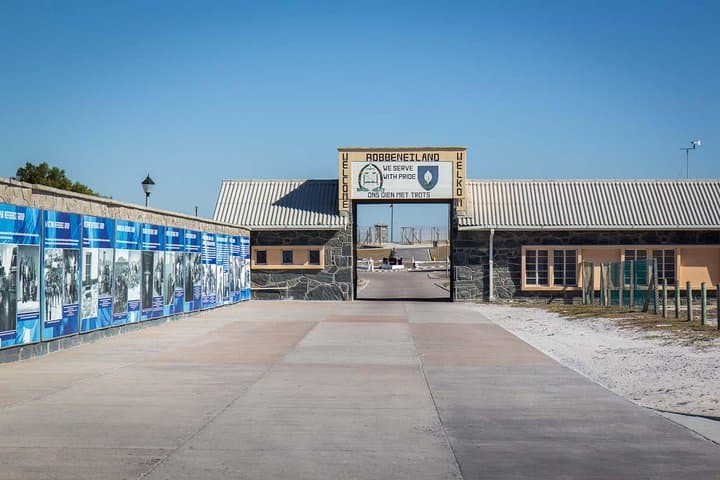
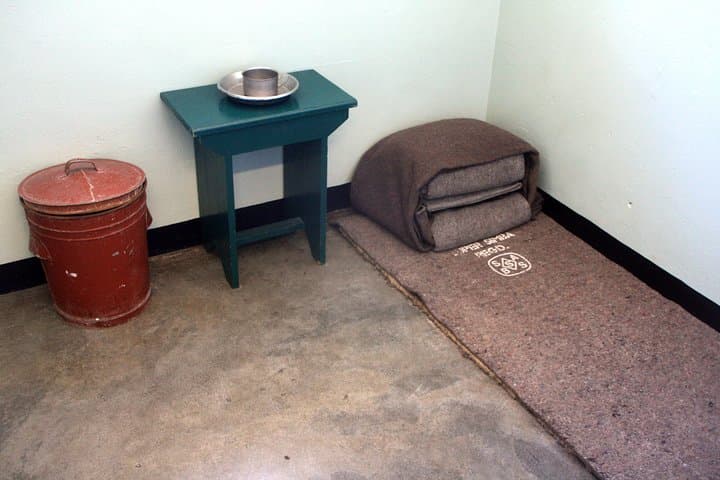
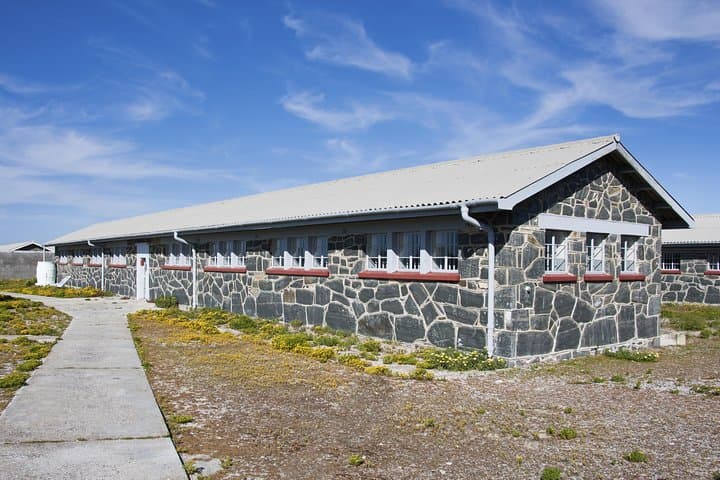
Robben Island is a UNESCO World Heritage Site best known for the political prison that held Nelson Mandela and other anti-apartheid leaders; earlier eras saw the Dutch exile prisoners and a kramat (Muslim shrine) honoring the Prince of Madura. Geologically the island is low-lying with exposed coastal rock and reclaimed quarry sites; its exposed shoreline bears the marks of storms and human industry.
This private tour pairs a ferry crossing and guided island visit with a Table Mountain drive or cable car experience in Cape Town, offering contrasting perspectives: the open-sea approach to a place of confinement, then the expansive panoramas from the mountain’s plateau.
Practicalities shape the experience. Ferries typically run 30–45 minutes each way and are weather-dependent; bring windproof layers and a secure passport—documentation is required. Expect guided narratives from former inmates or trained guides, outdoor walking on uneven surfaces, and time for photos at the prison site and the kramat. Mobility-accessible options exist but notify operators in advance.
Plan for changing weather, check availability well before peak season, and respect marked routes—the island is both a historical site and fragile coastal habitat. When the ferry turns back toward the city, the wind seems to push the past and present together, leaving a clearer sense of why the place matters.
easy.
8 hours (full-day).
Suitable for most fitness levels; involves moderate walking on uneven surfaces and short steps
Ferries typically take 30–45 minutes each way but schedules are weather-dependent and can be delayed by strong winds.
There are accessible options and wheelchair-friendly routes, but you should notify the operator ahead of booking to arrange assistance.
Photography is generally allowed in outdoor areas; guides will point out any restricted zones—respect signs and fellow visitors.
Valid passport or government ID is usually required and booking questions often request passport details—bring the original document.
Robben Island served as a political prison during apartheid and earlier as a place of banishment dating to Dutch colonial rule; it’s now a UNESCO World Heritage Site.
The site is heritage-protected; visitors should stick to marked routes, avoid disturbing wildlife, and follow guide instructions to limit erosion and impact.
Matadi Africa And Travel Tours operates guided outdoor trips and adventures with an emphasis on safety, stewardship, and memorable experiences.
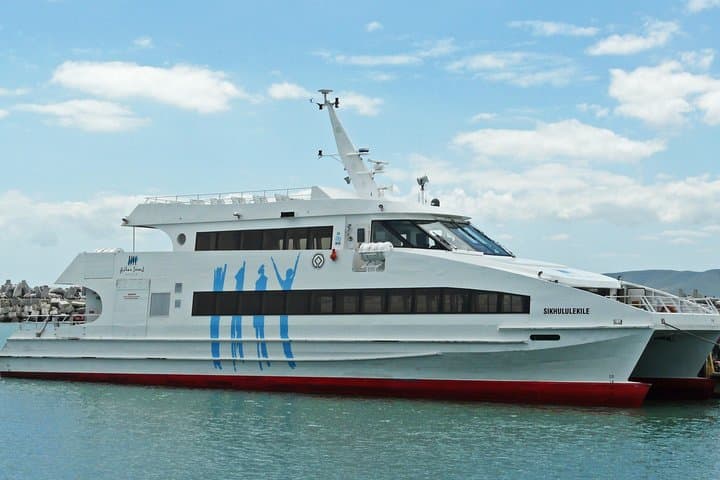
Morning light on Table Mountain cuts a flat, wind-scoured silhouette across the harbor while the ferry’s bow parts the cold Atlantic toward Robben Island. The air tastes of salt and history: seabirds wheel, the city recedes, and the island’s low profile approaches like a page from South Africa’s hard-won past.
Morning light on Table Mountain cuts a flat, wind-scoured silhouette across the harbor while the ferry’s bow parts the cold Atlantic toward Robben Island. The air tastes of salt and history: seabirds wheel, the city recedes, and the island’s low profile approaches like a page from South Africa’s hard-won past.
Robben Island is a UNESCO World Heritage Site best known for the political prison that held Nelson Mandela and other anti-apartheid leaders; earlier eras saw the Dutch exile prisoners and a kramat (Muslim shrine) honoring the Prince of Madura. Geologically the island is low-lying with exposed coastal rock and reclaimed quarry sites; its exposed shoreline bears the marks of storms and human industry.
This private tour pairs a ferry crossing and guided island visit with a Table Mountain drive or cable car experience in Cape Town, offering contrasting perspectives: the open-sea approach to a place of confinement, then the expansive panoramas from the mountain’s plateau.
Practicalities shape the experience. Ferries typically run 30–45 minutes each way and are weather-dependent; bring windproof layers and a secure passport—documentation is required. Expect guided narratives from former inmates or trained guides, outdoor walking on uneven surfaces, and time for photos at the prison site and the kramat. Mobility-accessible options exist but notify operators in advance.
Plan for changing weather, check availability well before peak season, and respect marked routes—the island is both a historical site and fragile coastal habitat. When the ferry turns back toward the city, the wind seems to push the past and present together, leaving a clearer sense of why the place matters.