THE ADVENTURE COLLECTIVE® · Independent discovery and booking for outdoor travel

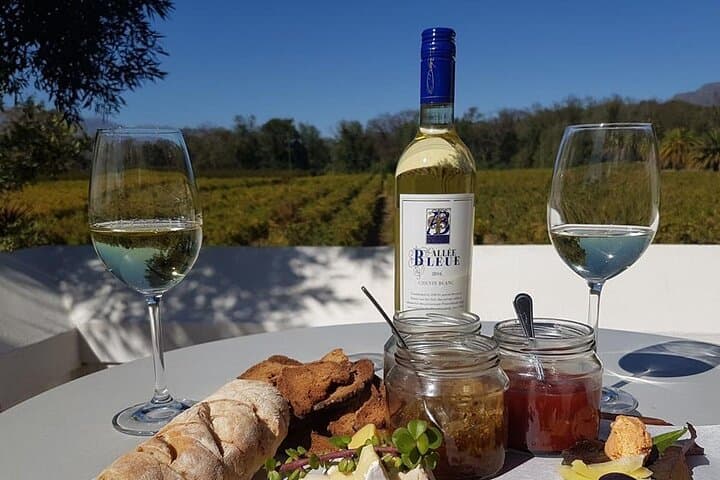
Board the ferry from the V&A Waterfront to Robben Island for a guided history tour then return to the vineyards of Constantia for cellar tours and wine-and-cheese tastings. This private, full-day excursion pairs intense historical context with relaxed wineland palate-work.
Board the ferry from the V&A Waterfront to Robben Island for a guided history tour then return to the vineyards of Constantia for cellar tours and wine-and-cheese tastings. This private, full-day excursion pairs intense historical context with relaxed wineland palate-work.
The morning air off Table Bay bites with salt and wind as the ferry eases away from the V&A Waterfront, Cape Town’s skyline shrinking while the flat silhouette of Robben Island grows nearer.
Verified experiences and guided adventures in the surrounding area.
Operated by Matadi Africa And Travel Tours · Cape Town, Western Cape
The morning air off Table Bay bites with salt and wind as the ferry eases away from the V&A Waterfront, Cape Town’s skyline shrinking while the flat silhouette of Robben Island grows nearer.
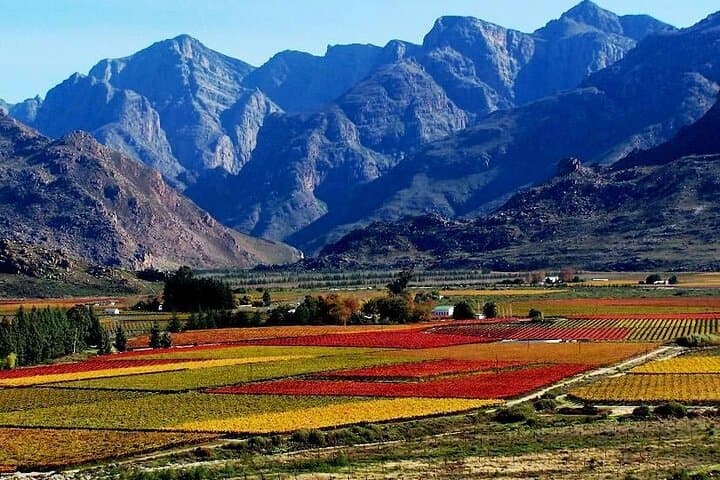
On the island, narrow paths, low scrub and the white wash of sea meet the slow geometry of former prison blocks. Guides — often ex-prisoners or trained historians — move through the site with precise, restrained detail; the cells, quarry, and limestone paths map a modern political geography as plainly as any topographic line. Back on the mainland, Constantia’s vineyards roll into the lower slopes of Table Mountain, rows of vines sitting on deep granite-derived soils that give the wines structure and minerality.
History sits beside the present: Robben Island’s layered past as a leper colony, asylum and apartheid prison contrasts with Constantia’s 300-year winemaking traditions introduced by Dutch settlers and Huguenot refugees. Local culture is a study in resilience — from remembrance practices on the island to cellar tours that trace land stewardship and varietal craft.
Practical guidance: the full private tour runs about eight hours with city pickup and includes Robben Island ferry tickets and entry. Expect short walks, stairs and museum areas; dress in windproof layers, bring ID for the ferry and allow time for security checks. Wine tasting venues enforce age limits and often require modest footwear for cellar areas. Hydrate, protect skin from fierce Cape sunlight, and leave space in your bag for a purchased bottle or two — sodden, sun-pushed landscapes often insist you take a memory home.
easy.
8 hours.
Moderate mobility and the ability to manage short walks and stairs; suitable for most fitness levels
Yes — the private tour includes Robben Island ferry tickets and the island guided tour as listed in the itinerary.
Wineries host visitors of all ages but alcoholic tastings are only served to guests 18 or older; minors receive non-alcoholic alternatives.
Many elements are wheelchair accessible and transport can accommodate mobility needs, but some island areas and older cellar spaces have limited access; confirm special requirements at booking.
Tours typically depart from Cape Town with hotel pickup offered; if not using pickup, meet at the designated ticket booth with a red sign at the V&A Waterfront.
Robben Island held political prisoners for much of the 20th century; Nelson Mandela served the majority of his 27-year sentence there, and the site is a UNESCO World Heritage symbol of the struggle against apartheid.
Robben Island and Constantia estates manage visitor impact through controlled access and heritage preservation; Cape Town’s wine industry also emphasizes water-wise viticulture and biodiversity conservation.
Matadi Africa And Travel Tours operates guided outdoor trips and adventures with an emphasis on safety, stewardship, and memorable experiences.


The morning air off Table Bay bites with salt and wind as the ferry eases away from the V&A Waterfront, Cape Town’s skyline shrinking while the flat silhouette of Robben Island grows nearer.
The morning air off Table Bay bites with salt and wind as the ferry eases away from the V&A Waterfront, Cape Town’s skyline shrinking while the flat silhouette of Robben Island grows nearer.
On the island, narrow paths, low scrub and the white wash of sea meet the slow geometry of former prison blocks. Guides — often ex-prisoners or trained historians — move through the site with precise, restrained detail; the cells, quarry, and limestone paths map a modern political geography as plainly as any topographic line. Back on the mainland, Constantia’s vineyards roll into the lower slopes of Table Mountain, rows of vines sitting on deep granite-derived soils that give the wines structure and minerality.
History sits beside the present: Robben Island’s layered past as a leper colony, asylum and apartheid prison contrasts with Constantia’s 300-year winemaking traditions introduced by Dutch settlers and Huguenot refugees. Local culture is a study in resilience — from remembrance practices on the island to cellar tours that trace land stewardship and varietal craft.
Practical guidance: the full private tour runs about eight hours with city pickup and includes Robben Island ferry tickets and entry. Expect short walks, stairs and museum areas; dress in windproof layers, bring ID for the ferry and allow time for security checks. Wine tasting venues enforce age limits and often require modest footwear for cellar areas. Hydrate, protect skin from fierce Cape sunlight, and leave space in your bag for a purchased bottle or two — sodden, sun-pushed landscapes often insist you take a memory home.