THE ADVENTURE COLLECTIVE® · Independent discovery and booking for outdoor travel

Combine Cape Town history and wine in a single private day: ferry to Robben Island for a guided visit of Mandela’s prison, then drive through city landmarks to taste wines in Constantia. Expect a 6–8 hour day with hotel pickup, ferry time, and cellar tours.
Combine Cape Town history and wine in a single private day: ferry to Robben Island for a guided visit of Mandela’s prison, then drive through city landmarks to taste wines in Constantia. Expect a 6–8 hour day with hotel pickup, ferry time, and cellar tours.
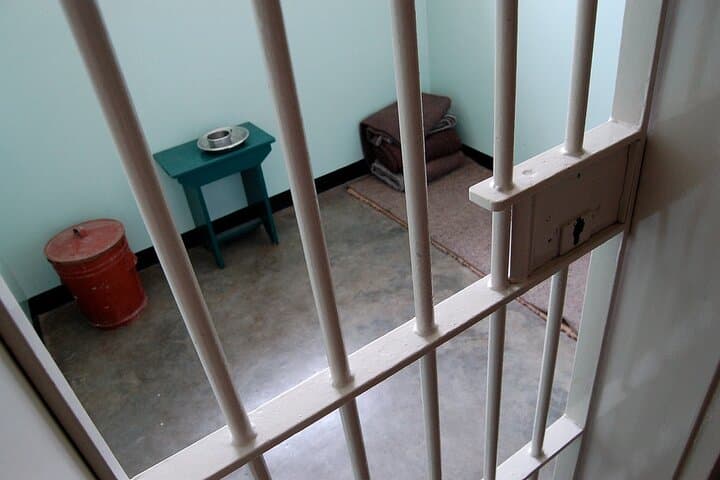
A brisk Atlantic wind meets the quay as the private minivan glides through Cape Town toward the V&A Waterfront; gulls wheel above and the ferry hums like a promise. Guests board for Robben Island, where granite cliffs and cold currents once isolated political prisoners, and walk the same yards where Nelson Mandela lived much of his sentence. The island’s remnant quarry faces and low scrub give a stark counterpoint to the green slopes of the Constantia valley later in the day.
Verified experiences and guided adventures in the surrounding area.
Operated by Matadi Africa And Travel Tours · Cape Town, Western Cape
A brisk Atlantic wind meets the quay as the private minivan glides through Cape Town toward the V&A Waterfront; gulls wheel above and the ferry hums like a promise. Guests board for Robben Island, where granite cliffs and cold currents once isolated political prisoners, and walk the same yards where Nelson Mandela lived much of his sentence. The island’s remnant quarry faces and low scrub give a stark counterpoint to the green slopes of the Constantia valley later in the day.
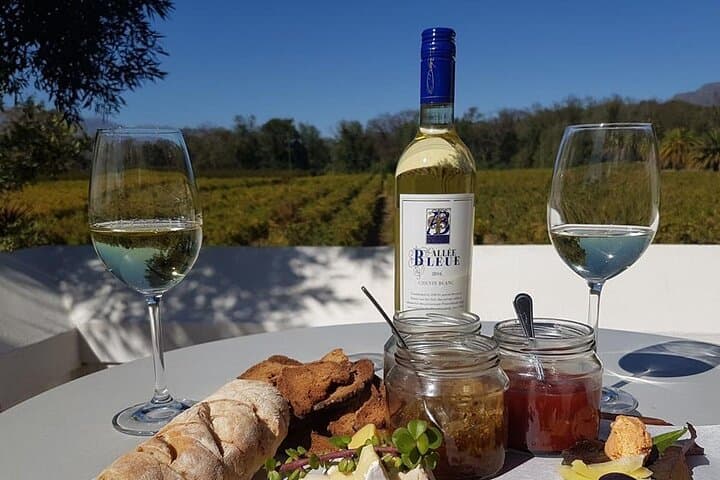
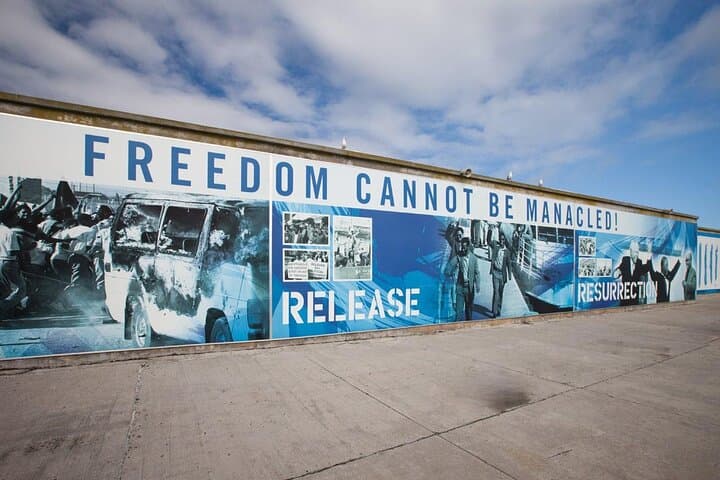
Robben Island is a UNESCO World Heritage Site with layered history: a 17th-century leper colony, a lunatic asylum, then a high-security prison central to South Africa’s apartheid story. Geology here is coastal Cape granite and sandstone shaped by waves; Constantia’s vineyards sit on older Malmesbury shale and granitic soils that help produce crisp sauvignons and concentrated reds.
Culturally the route stitches Cape Town’s working harbor, the Cape Malay colors of Bo-Kaap you pass, and centuries of winemaking introduced by Dutch settlers and refined by local soil and climate. Expect guided narratives on-site, a ferry crossing of roughly 30 minutes each way, and a relaxed cellar tour with three tastings in Constantia.
Practical side: dress in layers for wind and sun, wear comfortable walking shoes for uneven surfaces, and bring a bottle of water and sunscreen. The whole experience runs about 6–8 hours with hotel pickup and private transport included. For respectful visiting, follow site rules, keep voices low in memorial areas, and leave no trace in vineyards and coastal paths.
easy.
6–8 hours.
Suitable for most fitness levels; involves moderate standing, short walks on uneven surfaces, and ferry boarding
Yes — private hotel pickup and transportation to the embarkation point and Constantia are included in the tour.
The tour includes entrance tickets as described; confirm pickup details the day before as requested for security purposes.
The operator lists wheelchair-accessible options for transportation and some island areas, but ferry vessel boarding may have restrictions — check specific needs when booking.
All sales are final for this product; no refunds are available for cancellations, so review schedules before booking.
Robben Island served as a prison for 300 years; Nelson Mandela spent 18 of his 27 years there, making it central to South Africa’s democratic history.
Robben Island is a protected UNESCO site and the Constantia estates participate in sustainable viticulture—follow paths, respect signage, and avoid disturbing habitats.
Matadi Africa And Travel Tours operates guided outdoor trips and adventures with an emphasis on safety, stewardship, and memorable experiences.

A brisk Atlantic wind meets the quay as the private minivan glides through Cape Town toward the V&A Waterfront; gulls wheel above and the ferry hums like a promise. Guests board for Robben Island, where granite cliffs and cold currents once isolated political prisoners, and walk the same yards where Nelson Mandela lived much of his sentence. The island’s remnant quarry faces and low scrub give a stark counterpoint to the green slopes of the Constantia valley later in the day.
A brisk Atlantic wind meets the quay as the private minivan glides through Cape Town toward the V&A Waterfront; gulls wheel above and the ferry hums like a promise. Guests board for Robben Island, where granite cliffs and cold currents once isolated political prisoners, and walk the same yards where Nelson Mandela lived much of his sentence. The island’s remnant quarry faces and low scrub give a stark counterpoint to the green slopes of the Constantia valley later in the day.
Robben Island is a UNESCO World Heritage Site with layered history: a 17th-century leper colony, a lunatic asylum, then a high-security prison central to South Africa’s apartheid story. Geology here is coastal Cape granite and sandstone shaped by waves; Constantia’s vineyards sit on older Malmesbury shale and granitic soils that help produce crisp sauvignons and concentrated reds.
Culturally the route stitches Cape Town’s working harbor, the Cape Malay colors of Bo-Kaap you pass, and centuries of winemaking introduced by Dutch settlers and refined by local soil and climate. Expect guided narratives on-site, a ferry crossing of roughly 30 minutes each way, and a relaxed cellar tour with three tastings in Constantia.
Practical side: dress in layers for wind and sun, wear comfortable walking shoes for uneven surfaces, and bring a bottle of water and sunscreen. The whole experience runs about 6–8 hours with hotel pickup and private transport included. For respectful visiting, follow site rules, keep voices low in memorial areas, and leave no trace in vineyards and coastal paths.