THE ADVENTURE COLLECTIVE® · Independent discovery and booking for outdoor travel

Spend a private day across Cape Town’s defining sites: ascend Table Mountain, wander Kirstenbosch’s native gardens, taste history at Groot Constantia and linger among Bo-Kaap’s colorful streets. This 7–8 hour tour pairs panoramic viewpoints with cultural context and practical guidance for the day.
Spend a private day across Cape Town’s defining sites: ascend Table Mountain, wander Kirstenbosch’s native gardens, taste history at Groot Constantia and linger among Bo-Kaap’s colorful streets. This 7–8 hour tour pairs panoramic viewpoints with cultural context and practical guidance for the day.
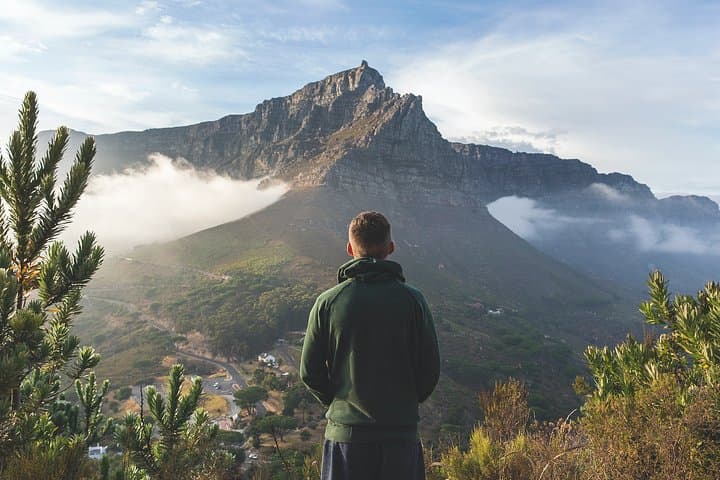
You step out of a quiet hotel lane and the city opens like a map folded into three dimensions—Table Mountain rising as a flat-backed giant to the north, the Atlantic glittering to the west, and the city grid spilling down toward the V&A Waterfront. On a private day tour, Cape Town reveals itself in chapters: a cable-car ascent that forces you to reframe perspective, the botanical hush of Kirstenbosch where fynbos dares you to look closer, the old-world rows of vines at Groot Constantia, and the bright, human pulse of Bo-Kaap.
Verified experiences and guided adventures in the surrounding area.
Operated by THG Tours · Cape Town, Western Cape
You step out of a quiet hotel lane and the city opens like a map folded into three dimensions—Table Mountain rising as a flat-backed giant to the north, the Atlantic glittering to the west, and the city grid spilling down toward the V&A Waterfront. On a private day tour, Cape Town reveals itself in chapters: a cable-car ascent that forces you to reframe perspective, the botanical hush of Kirstenbosch where fynbos dares you to look closer, the old-world rows of vines at Groot Constantia, and the bright, human pulse of Bo-Kaap.
Table Mountain’s slab of sandstone sits at roughly 1,080 meters above sea level and holds the city in its shadow. The cableway eases you skyward, but on clear days the wind still has a say—capricious gusts that cool the skin and sharpen the view. Geologically, the mountain belongs to an ancient Cape Fold Belt; walk a few minutes at the top and you’re on layers of rock that have kept time better than any city clock. Below, the flat-roofed colored houses of Bo-Kaap tell a different story: the district is a living chronicle of Cape Malay culture and the Muslim community whose roots trace back to arrivals from the Dutch East India Company era and later.
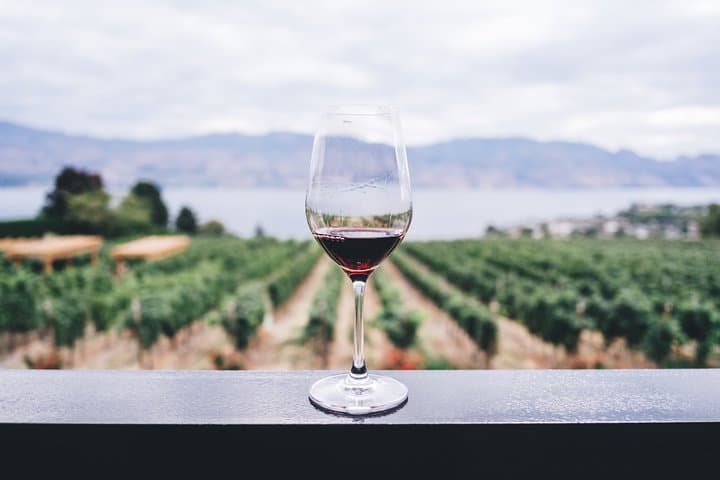
Kirstenbosch occupies a sliver of the eastern slopes and is a working laboratory for South Africa’s indigenous flora: more than 7,000 species of plants live here, adapted to summer drought and winter rain. The garden, established in the early 20th century from land once owned by Cecil John Rhodes, is both conservation project and city escape. Groot Constantia, founded in 1665, is the oldest wine estate in the country; its cellar and terraced vineyards are an architectural and agricultural throughline from colonial trade routes to modern winemaking.
Practically speaking, this is a full-day private tour—expect 7–8 hours of guided stops, short walks and photo breaks. Admission fees for Table Mountain cableway, Kirstenbosch and wine tastings are typically not included, so plan to pay on-site or prebook where possible. Wear sturdy walking shoes for the summit platform and paths at Kirstenbosch; even short strolls there involve uneven, rocky trails. Bring a windproof layer: temperatures at the top can be 8–12°C cooler than the city. Hydrate—bottled water is provided in the vehicle, but carry a refillable bottle for the walks.
Timing matters: morning lifts to Table Mountain are best for clearer air and softer light, while late afternoon casts long shadows across the vineyards. A private guide tailors the route—ask for a stop at Signal Hill for sunset if your schedule allows. Above all, this is a day of contrasts: raw geology and curated gardens, colonial estates and vibrant community streets—Cape Town in a single, accessible sweep.
easy.
7–8 hours.
Light walking ability; comfortable standing and short stair or rocky-path walks are required
No — admission fees and tasting charges are typically not included and are payable on-site; it’s wise to prebook high-season cableway tickets.
The tour and vehicle are wheelchair accessible in general, but Table Mountain summit platforms and some Kirstenbosch paths may have uneven surfaces; contact the operator to confirm specific accessibility needs.
Guides are certified and typically conduct tours in English; request other language options at booking and the operator will try to accommodate when possible.
Lunch is not included by default—there is a planned lunch break with scenic views, and your guide can recommend or reserve a restaurant; expect to pay separately.
Yes — this is a private tour and the guide can tailor stops and timing within the 7–8 hour window to suit interests and mobility.
Morning offers clearer air and calmer winds; late afternoon provides warmer light for photos—choose based on priorities and check cableway availability.
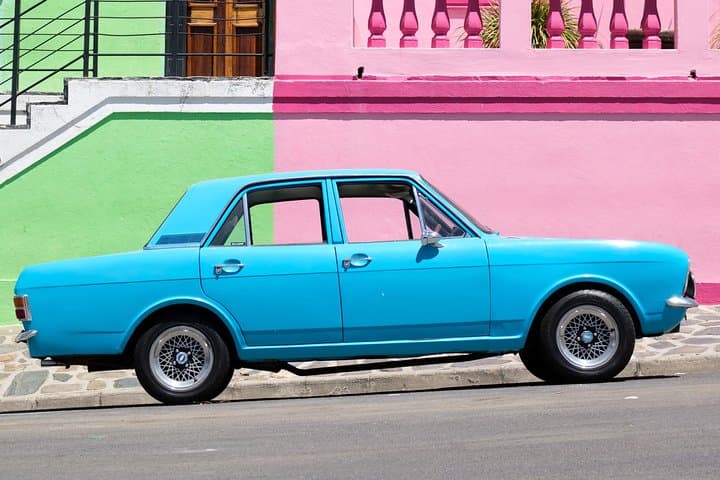
Bo-Kaap’s colorful houses and narrow streets reflect the Cape Malay community’s long history, shaped by forced migration during the colonial era and a resilient culinary and cultural legacy.
Kirstenbosch is a conservation hub for South Africa’s fynbos biome; visitors are asked to stick to paths, avoid picking plants and use marked water points to reduce strain on resources.
THG Tours operates guided outdoor trips and adventures with an emphasis on safety, stewardship, and memorable experiences.
You step out of a quiet hotel lane and the city opens like a map folded into three dimensions—Table Mountain rising as a flat-backed giant to the north, the Atlantic glittering to the west, and the city grid spilling down toward the V&A Waterfront. On a private day tour, Cape Town reveals itself in chapters: a cable-car ascent that forces you to reframe perspective, the botanical hush of Kirstenbosch where fynbos dares you to look closer, the old-world rows of vines at Groot Constantia, and the bright, human pulse of Bo-Kaap.
You step out of a quiet hotel lane and the city opens like a map folded into three dimensions—Table Mountain rising as a flat-backed giant to the north, the Atlantic glittering to the west, and the city grid spilling down toward the V&A Waterfront. On a private day tour, Cape Town reveals itself in chapters: a cable-car ascent that forces you to reframe perspective, the botanical hush of Kirstenbosch where fynbos dares you to look closer, the old-world rows of vines at Groot Constantia, and the bright, human pulse of Bo-Kaap.
Table Mountain’s slab of sandstone sits at roughly 1,080 meters above sea level and holds the city in its shadow. The cableway eases you skyward, but on clear days the wind still has a say—capricious gusts that cool the skin and sharpen the view. Geologically, the mountain belongs to an ancient Cape Fold Belt; walk a few minutes at the top and you’re on layers of rock that have kept time better than any city clock. Below, the flat-roofed colored houses of Bo-Kaap tell a different story: the district is a living chronicle of Cape Malay culture and the Muslim community whose roots trace back to arrivals from the Dutch East India Company era and later.
Kirstenbosch occupies a sliver of the eastern slopes and is a working laboratory for South Africa’s indigenous flora: more than 7,000 species of plants live here, adapted to summer drought and winter rain. The garden, established in the early 20th century from land once owned by Cecil John Rhodes, is both conservation project and city escape. Groot Constantia, founded in 1665, is the oldest wine estate in the country; its cellar and terraced vineyards are an architectural and agricultural throughline from colonial trade routes to modern winemaking.
Practically speaking, this is a full-day private tour—expect 7–8 hours of guided stops, short walks and photo breaks. Admission fees for Table Mountain cableway, Kirstenbosch and wine tastings are typically not included, so plan to pay on-site or prebook where possible. Wear sturdy walking shoes for the summit platform and paths at Kirstenbosch; even short strolls there involve uneven, rocky trails. Bring a windproof layer: temperatures at the top can be 8–12°C cooler than the city. Hydrate—bottled water is provided in the vehicle, but carry a refillable bottle for the walks.
Timing matters: morning lifts to Table Mountain are best for clearer air and softer light, while late afternoon casts long shadows across the vineyards. A private guide tailors the route—ask for a stop at Signal Hill for sunset if your schedule allows. Above all, this is a day of contrasts: raw geology and curated gardens, colonial estates and vibrant community streets—Cape Town in a single, accessible sweep.